Key Takeaways
- The most interesting Beijing trip usually balances one or two monumental days with slower neighborhood and community-life blocks.
- The city feels richest when you pair imperial scale with hutong texture, park culture, and one future-facing urban detour.
- Foreign visitors enjoy Beijing more when they solve payment, reservation, and app basics before trying to improvise on the ground.
- This is a city where micro-observation matters: one morning in a park or one hour in a living hutong can explain more than another rushed attraction list.
Some cities make their case in one skyline glance.
Beijing does not.
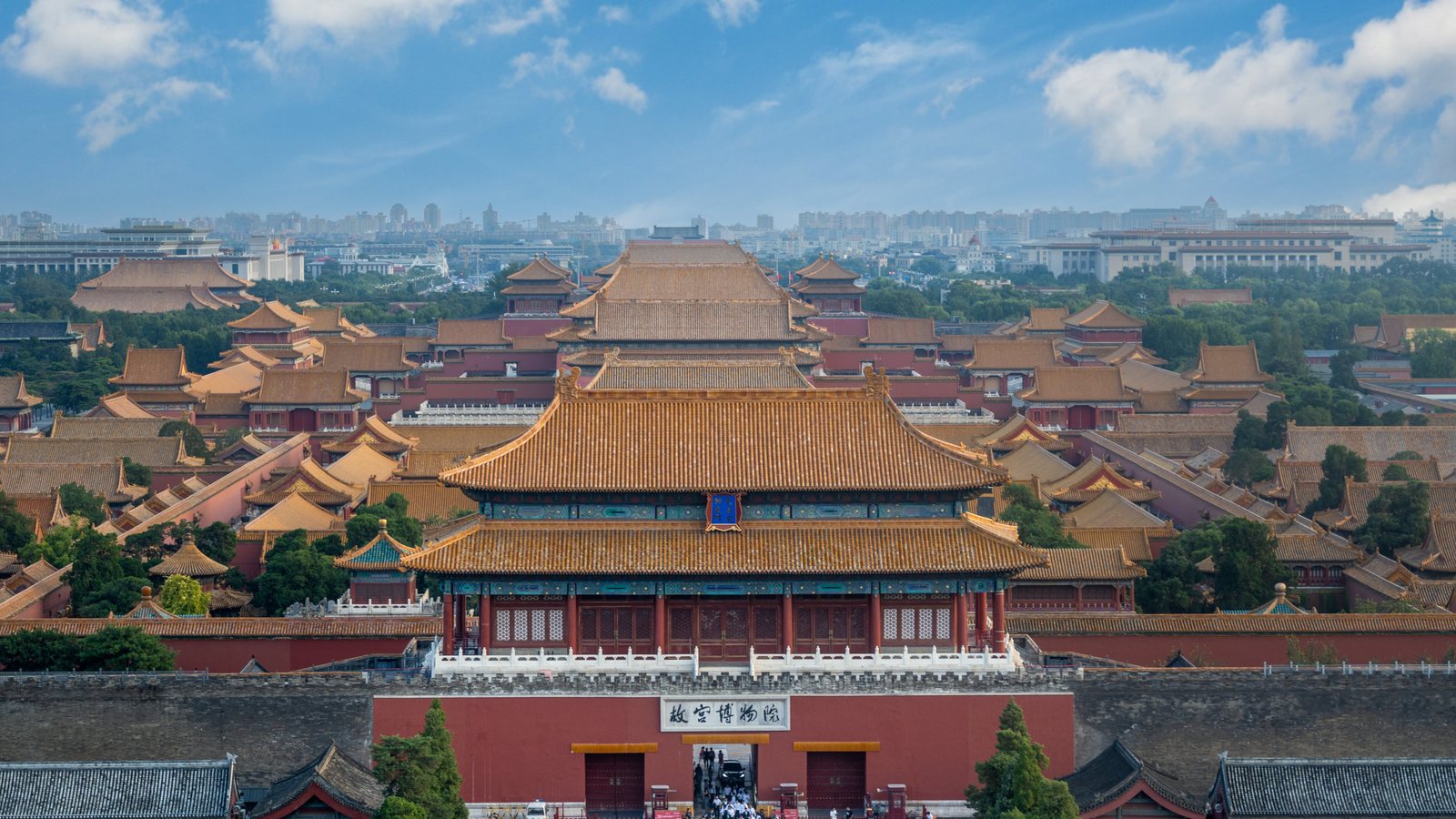
Beijing reveals itself in layers, and often in contradiction. One hour you are moving through imperial space designed to project order and permanence. The next, you are paying for coffee with your phone in a hutong lane that still has laundry lines, old residents, and a small design shop sharing the same block.
That is the version of Beijing many foreign visitors remember most clearly.
Not only the postcard Beijing of palaces and gates. Not only the future-facing Beijing of apps, cashless convenience, and efficient urban systems. The city stays with people because both are true at once.
If you want the rest of our Beijing coverage in one place, start with the Beijing destination hub.
Who this is for
This guide is for travelers who already know Beijing is important, but want a better answer to these questions:
- what does Beijing actually feel like beyond the obvious landmarks?
- where does the city still feel lived-in rather than staged?
- how do you combine deep culture with a comfortable modern trip?
- what would make Beijing feel genuinely high quality instead of like a checklist?
If your question is narrower, these pages may be the better tool:
In practice
The best deeper Beijing trip usually has three balances:
- monumental Beijing and neighborhood Beijing
- slow community life and high-tech convenience
- cultural curiosity and practical preparation
If you only do the monumental side, Beijing can feel heavy.
If you only chase hip neighborhoods, you miss why the city carries so much symbolic weight.
The sweet spot is to let Beijing feel both fast and slow.
Why Beijing feels different from other major world capitals
Foreign visitors often understand Paris through boulevards, Tokyo through urban energy, or New York through neighborhoods that announce themselves quickly.
Beijing is less immediate.
Its logic is not only visual. It is ceremonial, geographic, and social.
The city still carries the shape of a capital that was built around ideas of centrality, hierarchy, and controlled movement. That is why the historic core can feel so different from the more improvised charm of older European alley districts. A hutong may look, at first glance, like another old-city lane. But socially, it has often functioned less like a picturesque shortcut and more like an extension of community life.
That is also why the best Beijing writing should not stop at “ancient meets modern.” Every global city claims that.
The more interesting truth is that Beijing often feels ceremonial and ordinary at the same time.
The slow Beijing that foreign travelers often remember most

Many travelers arrive expecting grandeur and leave talking about a park, a lane, or a breakfast stop.
That is not a mistake. It is usually the point.
Park culture is not filler
A morning at the Temple of Heaven area or another major park is not just a break between attractions. It is one of the cleanest ways to understand urban Chinese community culture without turning it into an anthropology performance.
You may see:
- retirees doing tai chi or dance routines
- people writing water calligraphy on the pavement
- amateur singers, musicians, or small exercise groups
- families and solo regulars using public space with surprising confidence
For many foreign visitors, this is the first moment when Beijing stops feeling abstract and starts feeling socially legible.
It helps to read these scenes with respect rather than exotic fascination. What looks “mysterious” at first is often simply a very public version of health, routine, and low-cost social belonging.
The best hutongs still have friction, not just aesthetics
If you only visit the most polished lanes, you may leave with the wrong idea that hutong life is either cute, boutique, or frozen in time.
The stronger experience is to combine one more polished lane, such as around Wudaoying, with a slower area where daily life still shares space with new businesses. That tension is part of the story.
The question is not “where is the most photogenic hutong?”
The better question is:
where can you still feel Beijing negotiating with itself in real time?
That is why a lane with one dumpling shop, one old resident doorway, one design store, and one small cafe can sometimes teach more than a famous corridor full of souvenir traffic.
If this is the part of Beijing you want more of, Qianmen in Beijing and Yonghe Temple for First-Time Visitors: When This Calmer Historic Stop Belongs in Beijing are good next reads.
Markets and breakfast tell you how the city actually lives
One reason foreign readers often feel under-served by standard China travel writing is that too much of it stays at attraction level.
But cities reveal themselves through routines.
A market like Sanyuanli, or a neighborhood breakfast run where people are grabbing soy milk, sesame breads, noodles, or dumplings on the move, shows a different Beijing from the museum-and-monument version.
That is where the city starts feeling lived, not curated.
If food is part of how you read a city, What to Eat in Beijing and What to Eat in Beijing Besides Peking Duck are stronger entry points than another generic restaurant roundup.
The fast Beijing that still surprises people
The other reason Beijing leaves such a strong impression is that daily urban convenience can feel startlingly advanced, even for well-traveled visitors.
This is where many travelers first understand that the China trip they imagined and the China trip they are actually living are not the same.
Cashless convenience changes the emotional tone of the trip
For a visitor from abroad, the real surprise is often not one famous building. It is the experience of moving through the day with one phone:
- paying for coffee
- entering attractions
- booking rides
- checking maps
- ordering food
That convenience can make Beijing feel dramatically easier than its scale suggests, but only if you prepare for it before arrival.
The key pages here are How to Pay in China and What Apps You Need for a China Trip. Those two pages do more to reduce anxiety than most sightseeing lists ever will.
Modern Beijing is not only CBD glass towers
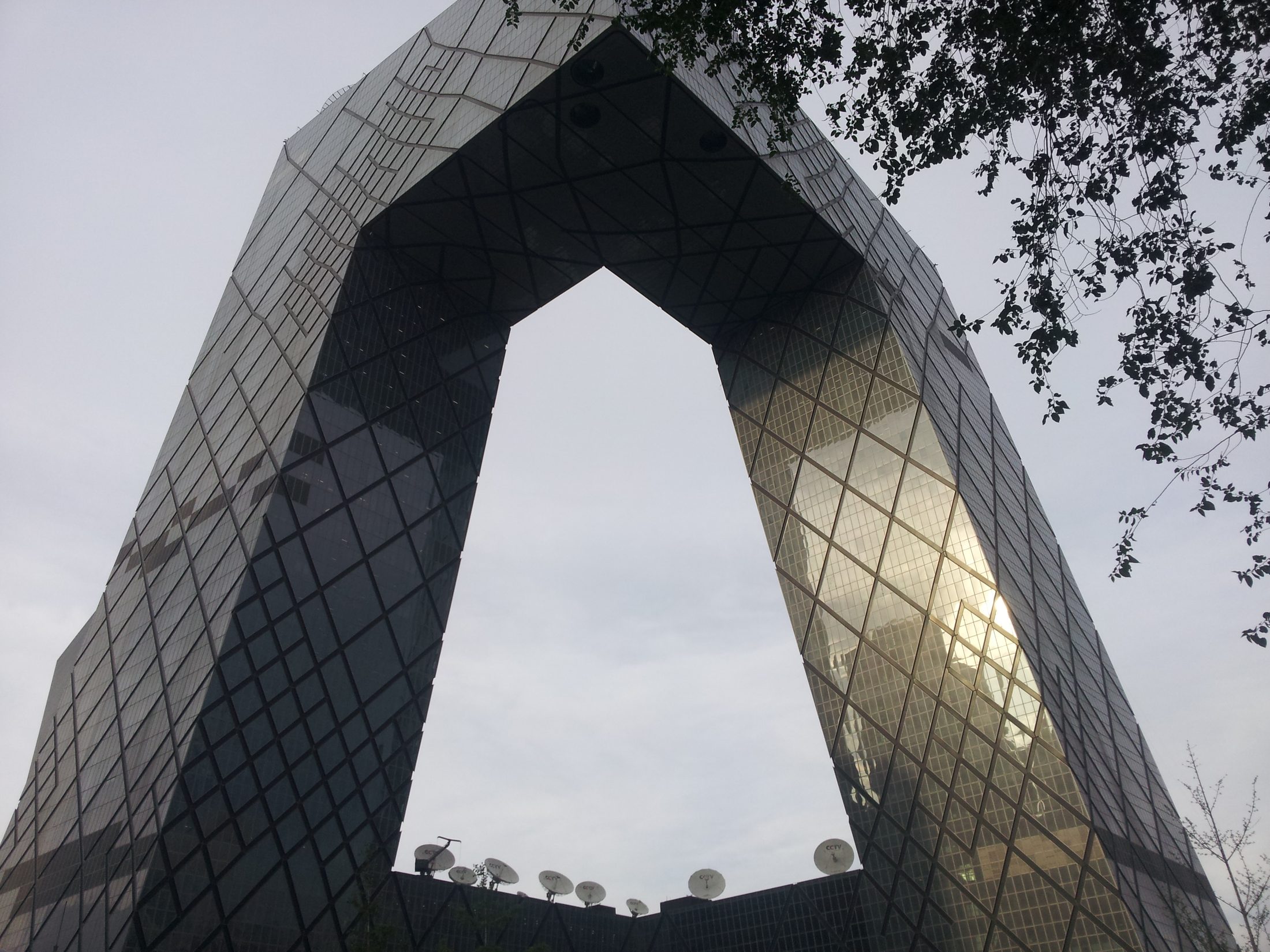
Yes, Beijing has skyline moments and major architecture. China Zun in Beijing can be worth a detour if you want that face of the city.
But the more interesting modern Beijing often appears in how seamlessly convenience is embedded into ordinary life rather than in one dramatic “future district.”
If you want a more obviously contemporary angle, choose one:
- a 798 art detour
- a Liangma River evening
- a CBD architecture block
- a more tech-forward suburban half-day if urban innovation genuinely interests you
Do not try to treat all of them as mandatory.
If you want the cleanest modern-Beijing split:
- choose
CBD for skyline architecture and contemporary-capital contrast
- choose
Olympic Park for the easiest broad modern-landmark half day
- choose
798 for art, cafes, and a slower creative district
- choose
Shougang only when industrial-renewal atmosphere itself is the reason for the detour
798 Art Zone in Beijing matters less because it is “the modern thing to do” and more because it proves Beijing is not culturally trapped inside its imperial reputation.
If your trip risks becoming too stately, too museum-heavy, or too predictable, 798 can rebalance the city.
That is what a good modern Beijing detour should do: not show that Beijing has changed, but show how many Beijings are operating at once.
The local Beijing foreign travelers often miss
The easiest mistake in Beijing is to confuse importance with intimacy.
The famous places are important. But they do not automatically produce intimacy.
Local Beijing appears when you notice:
- where people linger
- what they do before work
- how neighborhoods soften after dark
- where formality gives way to ordinary appetite
For many travelers from highly privatized urban environments, Beijing’s public life can feel unexpectedly generous.
People use parks, plazas, sidewalks, riverside paths, and neighborhood food streets intensely. That does not mean every block is charming. It means the city still offers visible collective life.
This is one reason a Liangma River evening can work so well. It is not only about lights or drinks. It is about seeing how polished urban leisure and relaxed public use can coexist.
Food is often the easiest doorway into the real city
If you want one strong Beijing night, sometimes the right move is not another scenic viewpoint but a meal that shows range:
- one classic duck meal if it matters to you
- one more local breakfast or snack run
- one non-Beijing regional meal in the capital, such as a strong provincial-restaurant stop
That last category matters. Beijing is not only a city with “Beijing food.” It is also one of the best places in the country to experience internal Chinese diversity without leaving the capital.
That is one reason a well-chosen meal can explain modern urban China better than a museum label can.
A better three-day shape for this version of Beijing
If you want Beijing to feel both deeper and still manageable, this is a stronger shape than trying to “see everything.”
Day 1: Monumental Beijing
Use the imperial core for the full symbolic weight:
- Forbidden City
- Jingshan or a nearby park
- central old-city movement rather than endless extra stops
This is the day for scale, ceremony, and historical orientation.
Day 2: Slow neighborhood Beijing
Build around one park, one hutong area, and food.
This is the day when Beijing starts feeling human instead of only important.
Day 3: Contemporary contrast
Choose one:
- 798
- Liangma River and a modern evening
- CBD architecture
- a more design- or lifestyle-driven district plan
That gives the trip a second register, so Beijing does not flatten into one tone.
If you have a fourth day, make it your Great Wall anchor. If you only have three days, decide early whether the Wall replaces the contemporary day or the neighborhood day. It should not be squeezed into both.
Practical details that actually improve the experience
This is where many “deep” culture pieces fail foreign readers. They explain atmosphere, but not execution.
Reservations
Beijing rewards travelers who respect booking friction early.
Do not assume the city’s most famous sites can be treated casually. If the trip includes major-ticket attractions, reservation timing matters. Keep What to Book in Advance for Beijing nearby.
Payments
Do not arrive assuming cards alone will carry the trip smoothly. Build a payment stack before departure. That one decision affects the emotional tone of the whole city.
Maps and mobility
Beijing is manageable, but only if you navigate with the right expectations:
- districts look closer on the map than they feel
- one extra cross-city transfer can drain a day
- taxi and ride-hailing logic matters after long attraction blocks
Use How to Get Around Beijing if movement still feels abstract.
Food restrictions
If you are vegetarian, vegan, halal, or managing allergies, do not wait until you are hungry to improvise. Beijing has options, but the smart move is to identify neighborhoods and meal types in advance.
Language expectation
You do not need fluent Chinese to enjoy Beijing, but you do need a slightly more prepared travel style than in some cities where spontaneous wandering does more of the work.
That is not a weakness. It is part of what makes Beijing satisfying once the basics are solved.
Who will love this version of Beijing
This deeper Beijing tends to work especially well for travelers who like:
- history with social texture
- city observation, not only attraction collecting
- neighborhoods, food, and public life
- the contrast between old symbolic space and contemporary urban ease
Who may prefer a different first stop
If what you want most is:
- the easiest urban landing
- prettier low-friction strolling
- a softer city rhythm with less planning discipline
then Shanghai may fit better as the very first stop.
But if you want a city that can still surprise you after the major landmarks are done, Beijing has a depth that many first-time visitors underestimate.
The real luxury of Beijing
The real luxury of Beijing is not exclusivity.
It is range.
Few cities let a traveler move, in one trip, from dynastic geometry to neighborhood breakfast culture, from old public rituals to cashless convenience, from park life to experimental art, without the whole place feeling fake or fragmented.
That is what makes Beijing feel high quality when it is planned well.
Not that it is polished everywhere.
But that it is deep almost everywhere, if you know how to read it.
FAQ
Is Beijing only worth visiting for the Forbidden City and the Great Wall?
No. Those two anchors matter, but Beijing feels much deeper when travelers also make time for parks, hutong neighborhoods, local breakfast culture, and one modern-city detour.
What kind of traveler enjoys Beijing most?
Beijing is strongest for travelers who like history, city character, neighborhood contrast, and the feeling of a capital where old ceremonial space still coexists with fast modern life.
How many days do you need for this deeper version of Beijing?
Three to five days is usually enough to combine major landmarks with slower city culture and one or two more contemporary districts.