Place Guide
Qianmen in Beijing: Is It Worth Visiting for First-Time Visitors?
See whether Qianmen is worth visiting on a first Beijing trip, what the area feels like, and how to fit it into the historic core without rushing.
Reported city features, practical travel notes, and destination coverage across China.
Place Guide
See whether Qianmen is worth visiting on a first Beijing trip, what the area feels like, and how to fit it into the historic core without rushing.
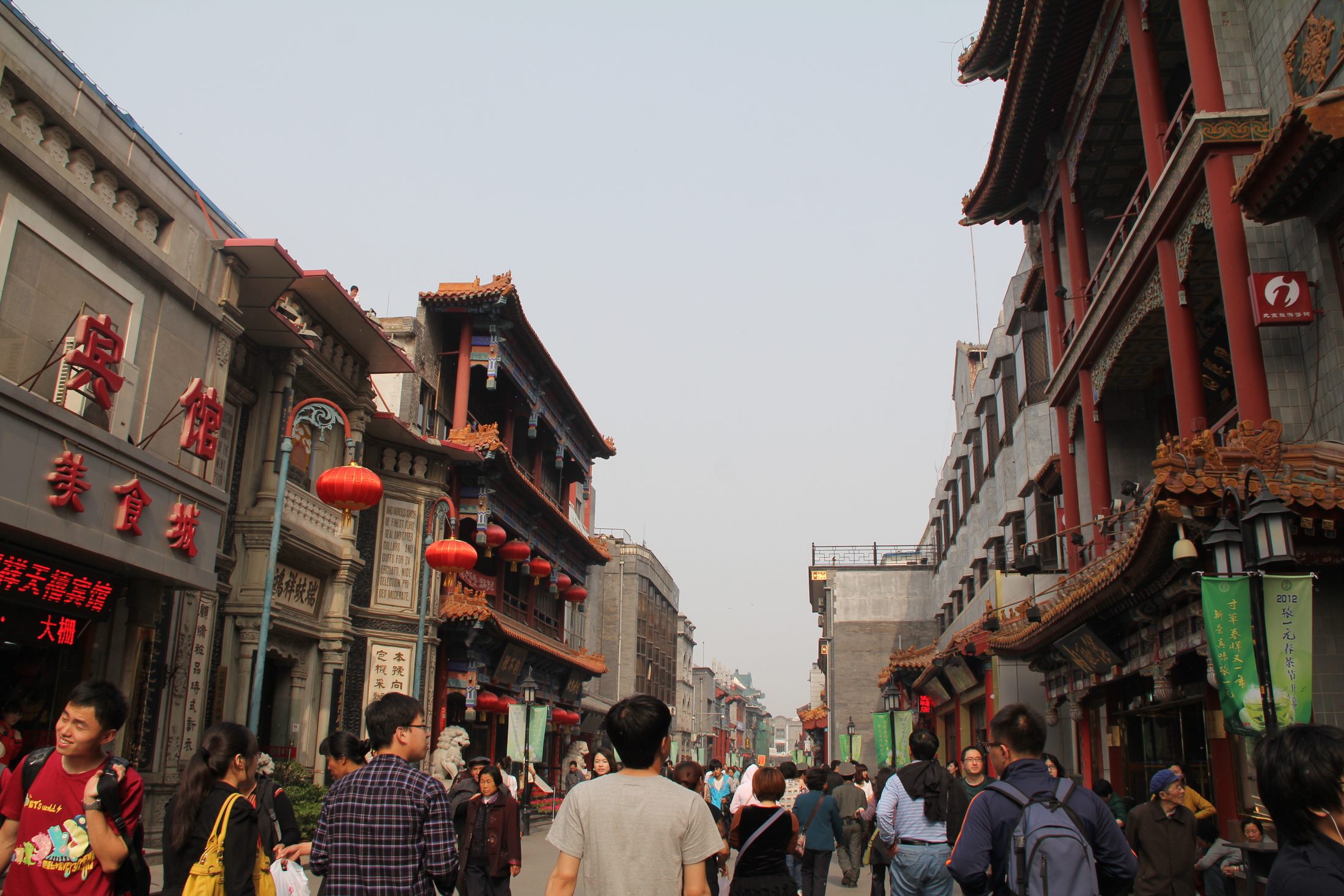
Qianmen is one of the places that helps Beijing feel less like a list of monuments and more like a city with texture.
For many first-time visitors, that is exactly why it stays in memory. Not because it replaces the city’s biggest anchors, but because it can make the central historic day feel more human, more walkable, and more complete.
This page is for travelers asking:
Qianmen is usually worth it when:
It is usually not something that should dominate the whole trip by itself. It is something that can make the historic core feel richer and less mechanical.
Some Beijing places matter because they are singular landmarks. Qianmen matters because it helps connect the feel of the city around those landmarks.
It often adds:
That makes it especially useful for first-time visitors who want the route to feel textured, not only efficient.
Qianmen is strongest when it sits inside:
It is usually most enjoyable when you still have enough time and energy to walk rather than rush through it between timed attractions.
Qianmen usually works with a modest but real time budget:
45 to 60 minutes for a short atmosphere-and-walk block1.5 to 2 hours if you want to slow down, browse, eat, and let the area breathelonger only if it is part of a deliberately slower old-core dayIt often feels underwhelming when it is reduced to a ten-minute pass-through, because the point of the area is not speed. It is atmosphere.
Qianmen usually works best:
It is less effective when it is isolated from the rest of the central-core route or added to a day that is already too full to enjoy it.
Usually not if it is already part of your central route.
Qianmen is easiest when:
It is less satisfying when:
It often disappoints when travelers:
If the area itself already is fixed and the question now is how to use it for food, the broader follow-up is What to Eat in Beijing for First-Time Visitors. If the real question is how much more old-commercial texture the route needs, the sharper nearby companion is Dashilar in Beijing: The Old Commercial Quarter That Feels More Real Than Qianmen Alone.
If your live question is not whether to visit Qianmen but whether to sleep here, compare Qianmen or Wangfujing: Where to Stay in Beijing for First-Time Visitors before treating the district’s atmosphere as an automatic hotel win.
If the live hotel split is more specifically Qianmen's old-core atmosphere or Sanlitun's modern nights, the tighter comparison is Qianmen or Sanlitun: Where to Stay in Beijing for First-Time Visitors.
Often yes, especially for travelers who want a stronger old-Beijing atmosphere in the central historic zone.
Usually no. It often works best as part of a wider central-core day rather than as the sole anchor of the plan.
It is best for atmosphere, walking, and helping the historic core feel more connected and complete.
Publication Note
First published 6/17/2026 · Updated 6/23/2026
We revisit place pages when booking logic, timing advice, or city-day assumptions shift enough to change the decision.
Back To The City
The city page gathers neighborhoods, city-day logic, and practical reads around it.
history-first travelers
Use Beijing as the main historical stop, not as a city where every day is split between opposite ends of town.
Beijing
Badaling is often the right choice when travelers want the most famous Great Wall section and a more developed visitor setup, not necessarily the calmest Wall experience.
Beijing
Baipu Temple is usually worth it only for travelers who actively want a visually strange, less standard temple detour rather than one more conventional Beijing sight.
Beijing
Beihai Park often feels good because it gives central Beijing more air, water, and pause without sending you far out of the way.
Beijing
Plan Beijing by district instead of crossing the city for every major sight.
Beijing
The best Beijing evening plan usually follows the day you already had instead of acting like a separate sightseeing mission.
Beijing
A strong first Beijing food plan usually includes one proper duck dinner, one clearly northern everyday meal, and one breakfast or snack layer.
Route Shape
The strongest first trips solve route, payment, and transport assumptions before filling the calendar.
Arrival And Basics
The best transport mode changes by city, time of day, and how tired you are.
Planning Support
When the stop is clear but the rhythm around it is not, it helps to build the day around the place instead of squeezing the place into a weak plan.
About The Author
Senior Features Editor
Amelia Chen is a senior features editor at China Travel Notes. She leads coverage for Beijing and Xi'an, with additional responsibility for history-led northern and Silk Road-adjacent features. Her work focuses on helping readers turn heavyweight cultural destinations into trips that still feel usable, grounded, and well paced.