Key Takeaways
- Yonghe Temple is usually strongest as a calmer cultural layer, not as one of the two or three main anchors of a first Beijing trip.
- It often works well for travelers who want a meaningful historic stop without another giant palace-scale block.
- For many first-time visitors, Yonghe Temple is better as part of a slower day than as an emergency extra squeezed into the biggest sightseeing day.
- The temple becomes more valuable once the Forbidden City and Great Wall are already secure in the route.
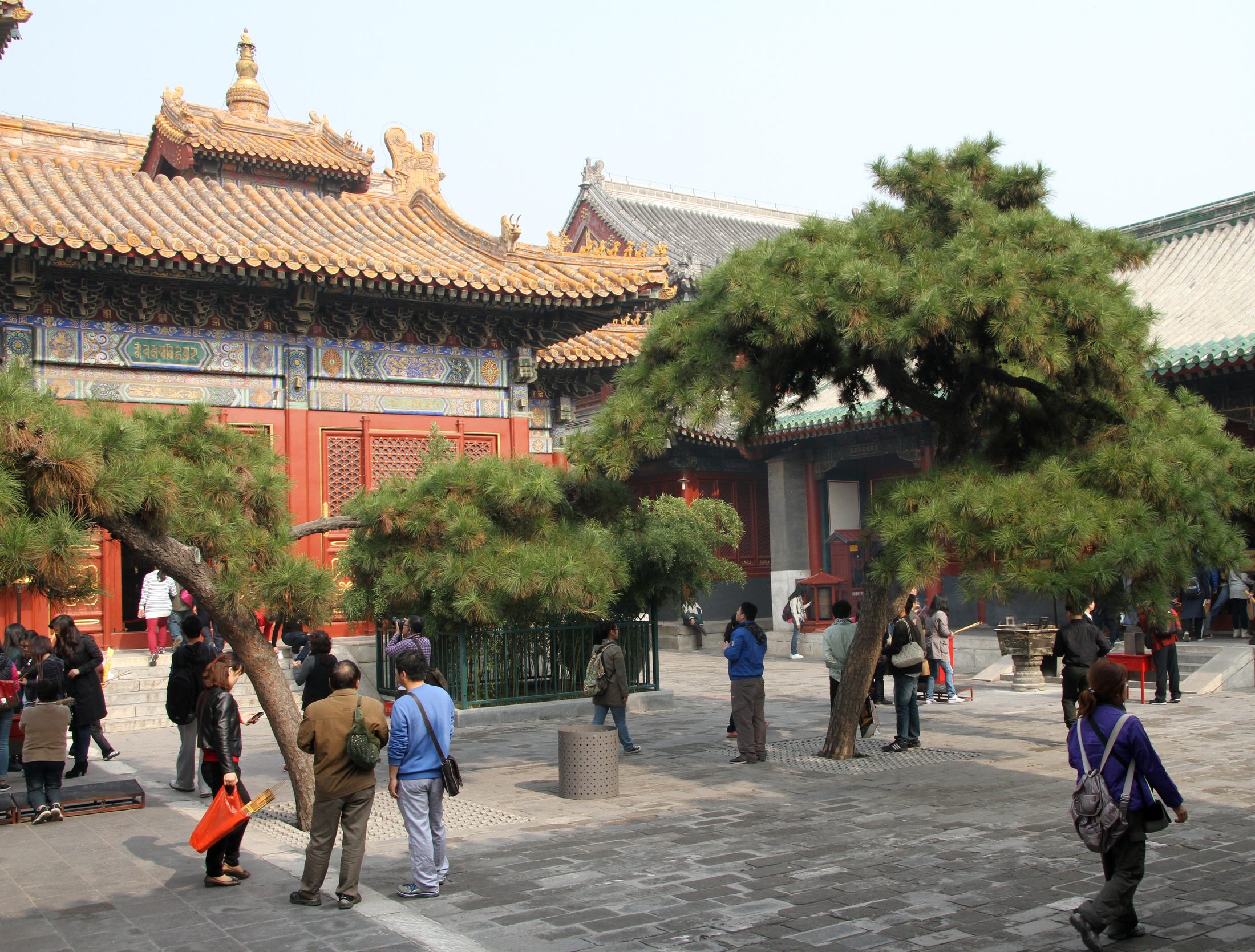
Yonghe Temple is one of the places that can make Beijing feel deeper without making it feel heavier.
That is why it can be so useful on a first trip. Not because it should replace the Forbidden City or the Great Wall, but because it gives the city one calmer historic scale.
This page was checked against current Beijing-government information on June 19, 2026, including the official notice that Yonghe Temple launched online real-name booking and the Beijing government travel guide that lists current visitor details for Yonghe Temple.
Who this is for
Use this page if you are asking:
- is Yonghe Temple worth adding to a first Beijing trip?
- when does it fit better than one more palace, museum, or shopping area?
- how much weight should this temple get in the route?
- is it best on a slower day?
If the trip still has not secured the biggest Beijing anchors, start with Beijing Travel Guide for First-Time Visitors and Forbidden City first.
The short answer
Yonghe Temple is usually worth it when:
- the trip already has its main landmark anchors
- you want one calmer religious-historic stop
- the route needs cultural texture more than another giant block
It is usually not strongest as one of the very top priorities on a very short trip.
What Yonghe Temple is best for
Yonghe Temple is usually best for:
- one more focused historic layer
- a calmer atmosphere than Beijing’s biggest imperial sites
- travelers who like temples, architecture, and more contained visits
It often works because it feels meaningful without demanding the same stamina as the city’s heaviest anchor sights.
When does it fit best?
Yonghe Temple usually fits best:
- on Day 3 or Day 4 of a 4-day trip
- on the lighter cultural day of a 3-day trip
- when the trip wants one more historic stop that is not another huge palace complex
It usually fits less well:
- inside an already overloaded Forbidden City day
- when the trip only has two rushed days
- when you still have not made space for the Great Wall
How much time does it usually need?
For many first-time visitors, Yonghe Temple usually works with:
45 to 75 minutes as a focused temple stop1.5 to 2 hours if the surrounding slower day is already built to support it
It usually does not need to dominate the day. It usually needs the right day shape.
Why it helps the trip
The biggest Beijing landmarks can make the city feel monumental but also somewhat singular in tone.
Yonghe Temple often helps because it adds:
- another form of historic Beijing
- a more focused cultural experience
- a stop that still feels significant without being exhausting
That can be especially useful for visitors who want variety inside a 3- to 5-day stay.
Yonghe Temple vs one more famous add-on
Choose Yonghe Temple if:
- you want calmer cultural depth
- the day needs one meaningful but manageable historic stop
- you prefer atmosphere and historic texture to one more shopping or nightlife district
Choose Jingshan Park if:
- the route needs a scenic view and a shorter add-on
Choose Shichahai if:
- the day mainly needs old-Beijing atmosphere, walking, and water-side texture
Choose Sanlitun if:
- the day needs modern evening contrast instead of another historic layer
How to fit it into a real Beijing route
Yonghe Temple usually works best:
- after the main imperial day and Great Wall day are already settled
- as part of a calmer city day
- when the route still wants one more meaningful cultural layer
It often pairs well with a slower neighborhood or food block, not with another giant formal attraction immediately before or after.
What usually makes it disappointing
Yonghe Temple often disappoints when travelers:
- expect the same scale as the Forbidden City
- use it only because the name appears on lists
- squeeze it into the wrong day instead of giving it a calmer slot
Its value is proportion, not sheer magnitude.
Common mistakes
- putting Yonghe Temple inside the most overloaded day
- expecting it to serve as one of the two biggest city anchors
- ignoring current booking rules if it truly matters to the route
- using it without deciding what the surrounding day should feel like
Before You Go
- Use Yonghe Temple when the trip needs one calmer cultural layer, not one more blockbuster.
- Check current reservation rules before the day if the temple is a must-do.
- Do not add it to an already overloaded central day only because it is famous.
FAQ
Is Yonghe Temple worth visiting on a first Beijing trip?
Often yes, especially if you have three or four days and want one calmer, more focused cultural stop beyond the biggest imperial anchors.
Do you need to book Yonghe Temple in advance?
Current official Beijing information says Yonghe Temple uses online real-name booking, so it is smart to check the latest rules before the day if the temple really matters to your route.