Place Guide
Mutianyu Great Wall: Is It the Best Section for First-Time Visitors?
Find out whether Mutianyu is the best Great Wall section for a first Beijing trip, what the day feels like, and how to keep the outing manageable.
Reported city features, practical travel notes, and destination coverage across China.
Place Guide
Find out whether Mutianyu is the best Great Wall section for a first Beijing trip, what the day feels like, and how to keep the outing manageable.
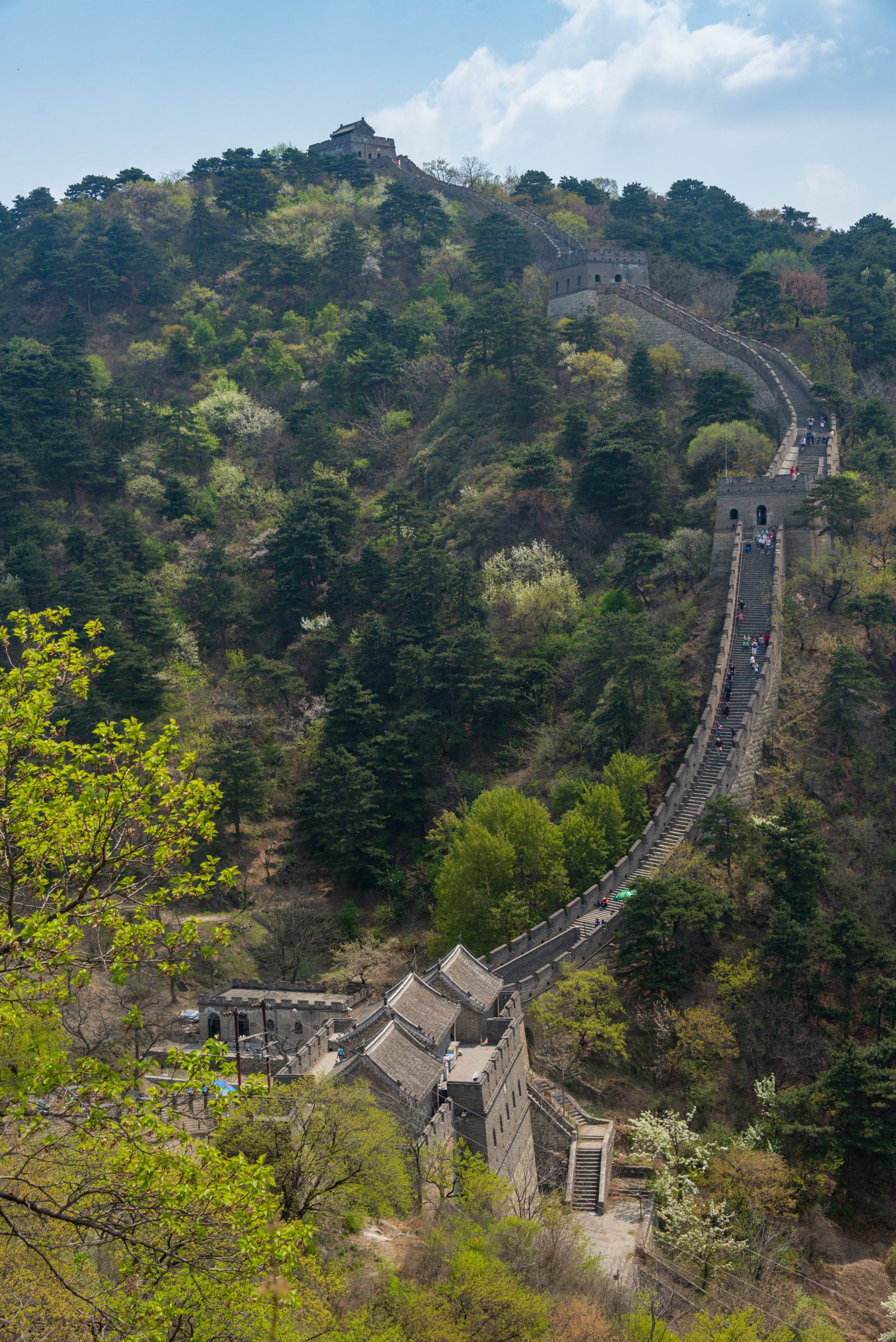
If the Forbidden City is the anchor for central Beijing, Mutianyu is often the anchor for the city’s one major outer-day experience.
For many first-time visitors, the real Wall question is not “Should I go?” It is “Which section gives me the best first Wall day without turning the trip into a logistics problem?”
This page is for travelers who are trying to answer practical Wall questions such as:
For many first-time Beijing visitors, Mutianyu is the strongest default choice.
It usually works well because it balances:
That does not mean it is the only valid section. It means it is often the easiest one to recommend when the traveler wants one strong Wall day without unnecessary complexity.
The Great Wall is one of those sights where the wrong version of the day can make the experience feel more exhausting than memorable.
Mutianyu often works because it gives many travelers a better mix of:
For a lot of readers, that matters more than choosing a section only because it is the name they heard first.
Usually yes.
This is one of the biggest Beijing planning mistakes: people try to squeeze the Wall into a partial day and then wonder why everything feels rushed.
A better first-trip approach is:
That is also why A Practical 4-Day Beijing Itinerary for First-Time Visitors treats the Wall as a distinct day rather than as a casual side excursion.
For many first-time visitors, Mutianyu is usually not a “quick attraction” rhythm.
A realistic mindset is:
That is one reason the day feels better when you stop trying to protect time for too many evening extras.
Mutianyu is especially strong if:
Compared with central Beijing sights, yes, a Wall day has more transport weight. But Mutianyu usually feels manageable rather than chaotic if you accept that reality upfront.
It tends to feel easiest when:
It tends to feel worse when:
The Wall day often goes wrong when travelers:
The strongest Wall days usually come from accepting that this is one of the major rhythm-setting days of the Beijing stay.
A practical first Beijing structure often looks like:
That keeps the trip balanced. The Wall gets enough weight, but it does not swallow the whole city.
For many first-time travelers, yes. It is often the most balanced choice when the goal is a strong Wall day without adding unnecessary friction.
Usually it is better not to. Most first-time visitors have a smoother trip when the Wall is treated as its own main day.
It is still a Wall day, so walking energy matters, but it is usually more approachable than many first-time travelers fear if the day is paced realistically.
Publication Note
First published 6/17/2026 · Updated 6/19/2026
We revisit place pages when booking logic, timing advice, or city-day assumptions shift enough to change the decision.
Back To The City
The city page gathers neighborhoods, city-day logic, and practical reads around it.
history-first travelers
Use Beijing as the main historical stop, not as a city where every day is split between opposite ends of town.
Beijing
Badaling is often the right choice when travelers want the most famous Great Wall section and a more developed visitor setup, not necessarily the calmest Wall experience.
Beijing
Baipu Temple is usually worth it only for travelers who actively want a visually strange, less standard temple detour rather than one more conventional Beijing sight.
Beijing
Beihai Park often feels good because it gives central Beijing more air, water, and pause without sending you far out of the way.
Beijing
Plan Beijing by district instead of crossing the city for every major sight.
Beijing
The most interesting Beijing trip usually balances one or two monumental days with slower neighborhood and community-life blocks.
Beijing
Usually, the safest Beijing hotel base is on the Dongcheng side of central Beijing, because it keeps the historic core and day-to-day movement easier.
Transport And Timing
Some major attractions and timed entries can shape the whole day if you leave them too late.
Route Shape
The strongest first trips solve route, payment, and transport assumptions before filling the calendar.
Planning Support
When the stop is clear but the rhythm around it is not, it helps to build the day around the place instead of squeezing the place into a weak plan.
About The Author
Senior Features Editor
Amelia Chen is a senior features editor at China Travel Notes. She leads coverage for Beijing and Xi'an, with additional responsibility for history-led northern and Silk Road-adjacent features. Her work focuses on helping readers turn heavyweight cultural destinations into trips that still feel usable, grounded, and well paced.