Priority 1
Decide whether Beijing is the anchor city
Use Beijing as the main historical stop, not as a city where every day is split between opposite ends of town.
Reported city features, practical travel notes, and destination coverage across China.
Destination Hub
Beijing is the strongest first-stop city for travelers who want imperial landmarks, museums, hutong neighborhoods, strong food variety from local classics to regional Chinese cuisines, and straightforward high-speed rail connections.
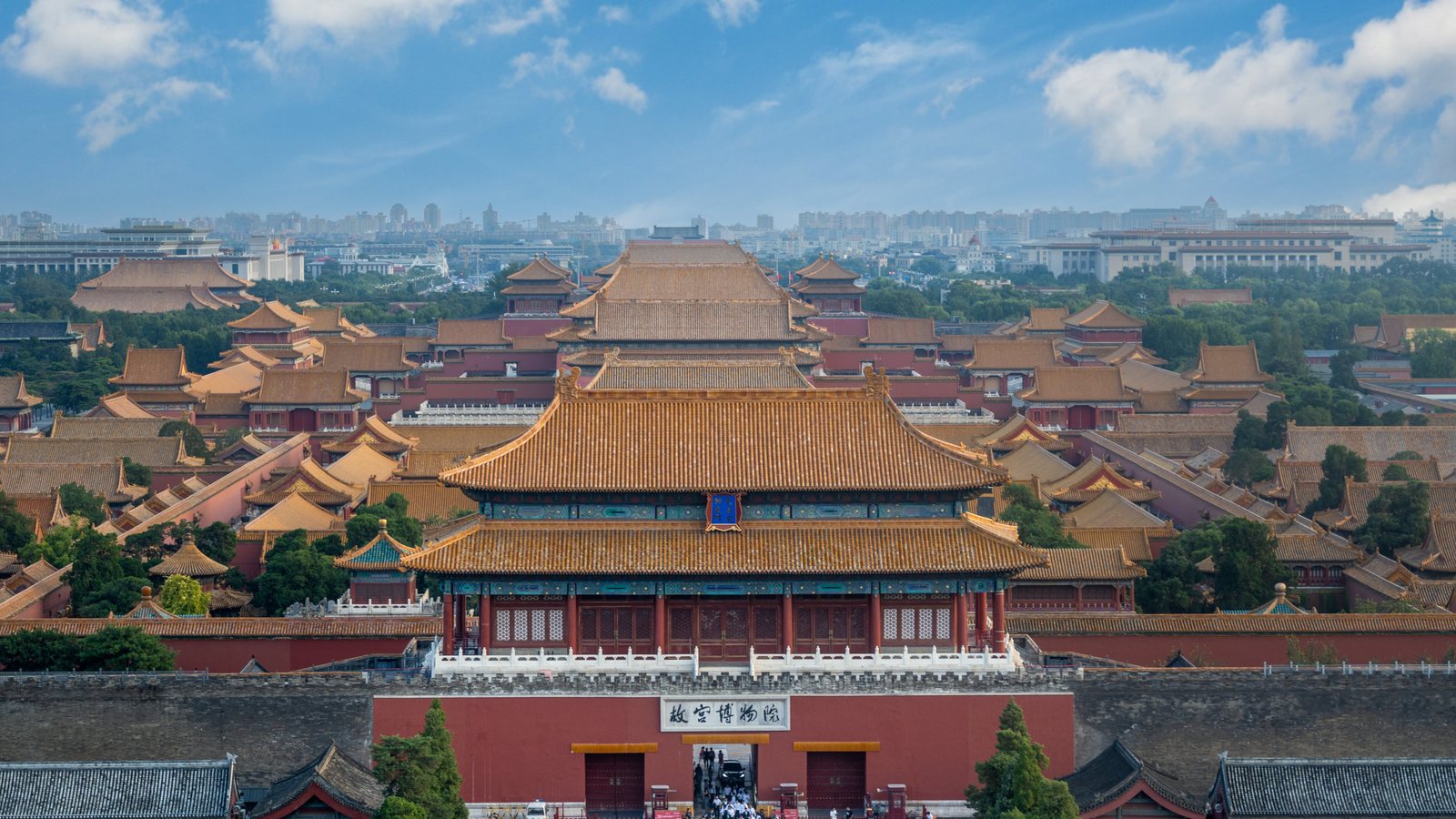
Beijing is usually strongest for travelers who want history-first travelers and landmark-focused first trips. Most first-time visits work best when the city is given 3 to 5 days, because that is normally enough space to protect the main payoff without making the route feel padded.
Best with a structured city plan and one slower cultural day. For many readers, the real planning question is not just whether to go, but what role the stop should play in the wider route. If you are still deciding that part, start with Beijing, Fast and Slow: Where Ancient Souls and High-Tech Comforts Actually Meet and Best Time to Visit China: Weather, Seasons, and First-Trip Advice .
Beijing also becomes easier once you decide early whether it should pair with Xi'an and Shanghai or carry more weight on its own. That is usually the point where hotel area, transfer timing, and one or two anchor places start mattering more than the raw attraction count. A good next move is Where to Stay in Beijing for First-Time Visitors: Best Areas by Trip Style plus How to Get Around Beijing for First-Time Visitors: Metro, Taxi, and Didi so the practical side stays realistic alongside China Visa Basics for Tourists: What to Check Before You Build the Route .
Once one specific sight or district starts shaping the day, move from general planning into place pages. Most first-time visitors begin with Forbidden City: Is It Worth It for First-Time Visitors? and Temple of Heaven in Beijing: Is It Worth Visiting? before they lock the day order.
Priority 1
Use Beijing as the main historical stop, not as a city where every day is split between opposite ends of town.
Priority 2
A convenient base can reduce transfers, simplify early departures, and make evenings less tiring.
Priority 3
Plan around central landmarks, one Great Wall day, and one slower local neighborhood day instead of mixing everything together.
If Beijing is already on the short list, begin with these pieces before you narrow hotel areas, day order, or advance bookings.
Beijing
The most interesting Beijing trip usually balances one or two monumental days with slower neighborhood and community-life blocks.
Beijing
Plan Beijing by district instead of crossing the city for every major sight.
Beijing
Four days is still the clearest first answer because Beijing needs room for both scale and recovery.
Beijing
Usually, the safest Beijing hotel base is on the Dongcheng side of central Beijing, because it keeps the historic core and day-to-day movement easier.
Beijing
Universal Beijing Resort usually works best as a full-day plan, not as a small add-on after classic Beijing sightseeing.
Beijing
In Beijing, geography beats apps. Solve the district first, then choose the ride.
Once the stop is real, these are the pieces that usually steady it: where to stay, how to arrive, how to move around, what to book early, and how to recover a day that drifts off plan.
Beijing
Usually, the safest Beijing hotel base is on the Dongcheng side of central Beijing, because it keeps the historic core and day-to-day movement easier.
Beijing
Wangfujing is usually the easier default for first-time visitors who want the simplest central base and lower-friction evening decisions.
Beijing
In Beijing, geography beats apps. Solve the district first, then choose the ride.
Beijing
In Beijing, the Palace Museum is not just another ticket. It can decide the rhythm of your most important city day.
Step 1
These pieces help you judge pace, trip length, and whether Beijing belongs as a major stop or a lighter addition.
Step 2
This shelf turns to neighborhood fit, stay length, and the rhythm that makes the stop feel lived-in rather than rushed.
Step 3
These place reads become useful once one museum, district, park, or landmark begins to organize the day.
Step 4
The practical layer usually enters here: payments, rail timing, and booking assumptions that decide what the route can actually hold.
A strong first-stop city if the traveler wants headline China landmarks and a sense of imperial history.
District-based planning works especially well because the city is large and major sights are not all close together.
Pairs naturally with another city that offers a different rhythm, such as Xi'an or Shanghai.
The trip becomes much more complete when landmark days and food evenings are planned together instead of separately.
Beijing rewards travelers who plan by district and metro access because cross-city travel can take longer than the map suggests.
For the early stage when the city, region, or route still needs to earn its place.
Beijing
The most interesting Beijing trip usually balances one or two monumental days with slower neighborhood and community-life blocks.
For the moment when a city is chosen and now has to become nights, neighborhoods, and a believable stay length.
Beijing
Four days is still the clearest first answer because Beijing needs room for both scale and recovery.
Beijing
Usually, the safest Beijing hotel base is on the Dongcheng side of central Beijing, because it keeps the historic core and day-to-day movement easier.
Beijing
Wangfujing is usually the easier default for first-time visitors who want the simplest central base and lower-friction evening decisions.
For the stage when inspiration is no longer enough and the days need a real sequence.
Beijing
Plan Beijing by district instead of crossing the city for every major sight.
Beijing
A strong first Beijing food plan usually includes one proper duck dinner, one clearly northern everyday meal, and one breakfast or snack layer.
Beijing
Zhajiangmian and copper hotpot are usually the two strongest Beijing meals after duck because they add everyday and northern-style range.
Beijing
Niujie is one of the best Beijing food districts for halal cuisine, mutton-focused meals, pastries, dairy snacks, and a side of the city that feels very different from Qianmen.
Beijing
The best Beijing evening plan usually follows the day you already had instead of acting like a separate sightseeing mission.
Beijing
A strong first Beijing trip usually needs the Forbidden City, one real Great Wall day, and one slower old-city or park-led block before it needs anything else.
For the practical questions that start deciding what the trip can realistically be.
Beijing
Universal Beijing Resort usually works best as a full-day plan, not as a small add-on after classic Beijing sightseeing.
Beijing
In Beijing, geography beats apps. Solve the district first, then choose the ride.
Beijing
In Beijing, the Palace Museum is not just another ticket. It can decide the rhythm of your most important city day.
Beijing
Most Forbidden City booking failures happen before payment, not after: wrong timing, wrong expectations, or wrong passport details usually do more damage than the official site itself.
Beijing
Tiananmen Square is less about deep sightseeing and more about symbolism, orientation, and handling the logistics correctly.
These place pages cover the landmarks, neighborhoods, museums, and busy districts that most often end up deciding timing, route logic, or where a day naturally begins and ends.
Most first-time visitors start by comparing Forbidden City: Is It Worth It for First-Time Visitors? , Temple of Heaven in Beijing: Is It Worth Visiting? , Confucius Temple and Guozijian for First-Time Visitors: When This Scholarly Beijing Stop Is Worth It and Ditan Park for First-Time Visitors: When This Historic Park Is Better Than Another Big Attraction before they lock the day order.
Beijing
The Forbidden City works best as an anchor sight inside a central Beijing day, not as a quick add-on squeezed between distant districts.
Beijing
The Temple of Heaven often feels better than visitors expect because it combines ritual history with more space, air, and a calmer city rhythm.
Beijing
Confucius Temple and Guozijian are usually strongest as a focused cultural layer, not as one of the top two or three headline anchors of a first Beijing trip.
Beijing
Ditan Park is usually strongest as a supporting historic-park stop, not as a major anchor sight.
Beijing
Prince Gong's Mansion is usually strongest as a supporting cultural stop, not as one of the two or three biggest anchors of a first Beijing trip.
Beijing
Beijing Olympic Park is usually strongest as a modern-landmark contrast block, not as a substitute for Beijing's core imperial sights.
Beijing
The CCTV Headquarters is usually the single most memorable building in Beijing CBD and the clearest reason architecture-minded travelers go there.
Beijing
China Zun is worth caring about mainly as Beijing's skyline anchor, not as a classic tourist attraction with a must-do interior.
Beijing
Shougang Park is usually worth it for travelers who genuinely like industrial heritage, urban renewal, and a more cinematic modern Beijing mood.
Beijing
Yuanmingyuan is usually strongest for travelers who care about historical memory, ruins, and a more reflective park experience.
These nearby or complementary stops can turn Beijing into a more balanced wider route.
short heritage-focused itineraries
That one choice decides whether Xi'an stays as a tight Terracotta Army plus old-city stop or opens up into food, museum, and pagoda-side layers.
short urban trips
Mix skyline stops with neighborhoods, food streets, architecture, shopping, and flexible walking time instead of reducing the city to only a skyline checklist.
These topic reads cover the practical layer that often decides whether the city feels easy, expensive, rushed, or surprisingly calm.
Start here when the city is still being weighed against the rest of the route.
Route Shape
Spring and autumn are usually the easiest seasons to build around.
Route Shape
The best hotel area is the one that supports your most important daily movements.
These reads cover the quiet practical layer: entry, internet, payment, and the first move into town.
Arrival And Basics
Visa questions should be solved before the route becomes expensive to change.
Arrival And Basics
Many travelers still search for 144-hour transit, but the current policy travelers usually mean is the 240-hour visa-free transit policy.
Come here once trains, flights, transfers, and intercity timing begin to set the route.
Transport And Timing
Airport transfer time is part of the first day, not a small detail after the flight.
Transport And Timing
Some major attractions and timed entries can shape the whole day if you leave them too late.
Planning Support
If the city belongs in the trip but its length, neighborhood, or onward pairing still feels unresolved, send over the sticking point.