Place Guide
Forbidden City: Is It Worth It for First-Time Visitors?
Decide whether the Forbidden City is worth visiting on a first Beijing trip, how long to spend there, and what usually makes the day feel rushed.
Reported city features, practical travel notes, and destination coverage across China.
Place Guide
Decide whether the Forbidden City is worth visiting on a first Beijing trip, how long to spend there, and what usually makes the day feel rushed.
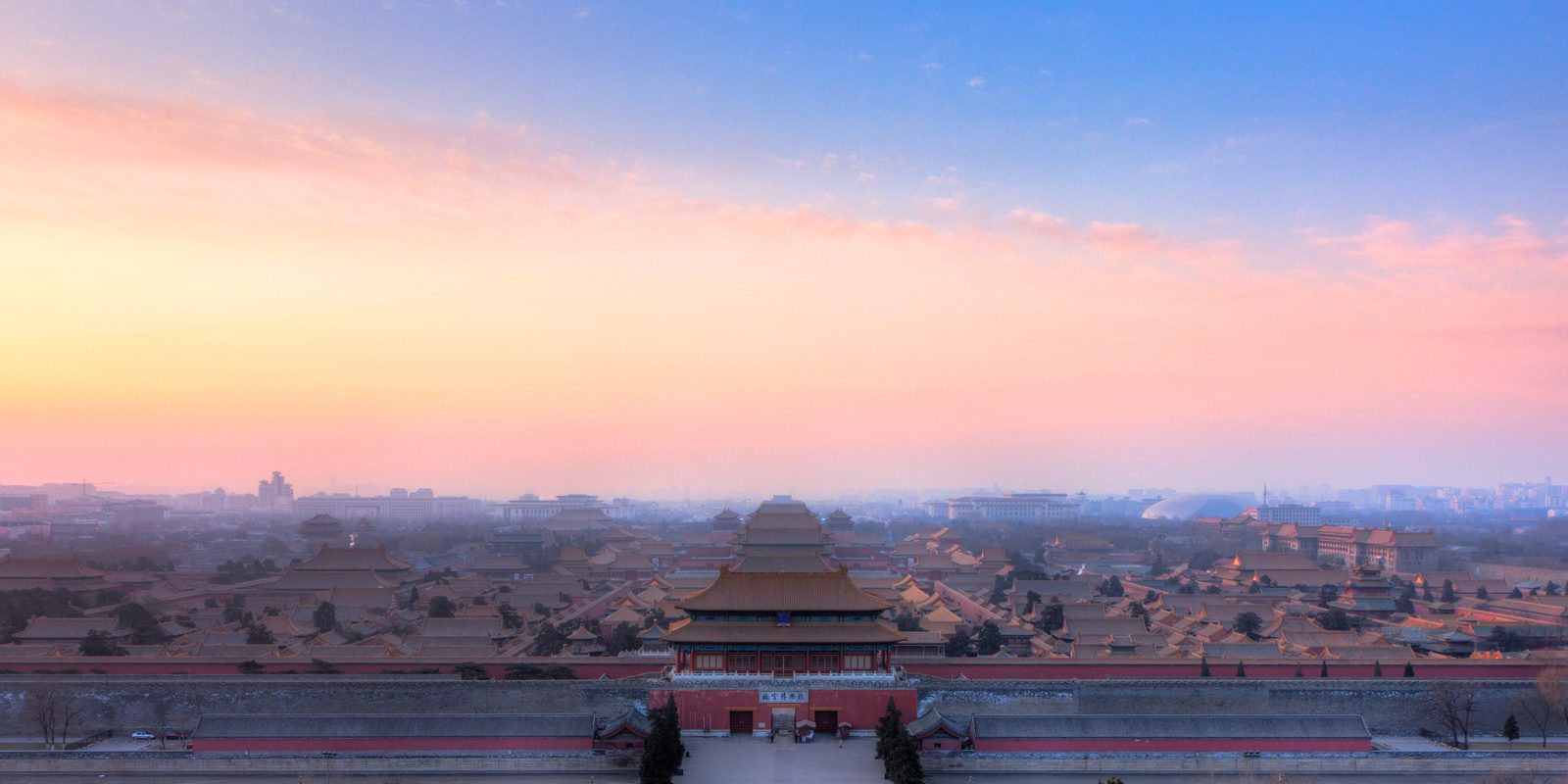
The Forbidden City is one of the clearest examples of why a good China trip is not built by collecting names. It is built by recognizing which places deserve to dominate the day around them.
For many first-time Beijing visitors, the Forbidden City is not just another landmark. It is the imperial center of gravity, the visit that quietly decides the timing, pace, and emotional weight of one of the city’s most important days.
This page is for travelers who are not only asking how to buy the ticket, but also asking:
If the only practical blocker is the booking system itself, go straight to How to Book Forbidden City Tickets as a Foreigner.
If you already know the official steps but still keep getting stuck on release timing, passport mismatch risk, or what third-party platforms can realistically do, the tighter troubleshooting page is Forbidden City Booking Problems: What Foreign Visitors Usually Get Stuck On.
The Forbidden City is worth prioritizing for most first-time Beijing trips, but only if you plan around it honestly.
For many readers, the best approach is:
The goal is not to see every possible courtyard. The goal is to have a visit that still feels coherent, memorable, and genuinely impressive inside the wider trip.
Some sights are famous but optional. The Forbidden City usually is not.
For many first-time visitors, it matters because it gives:
That is why so many Beijing itineraries feel different depending on whether the Forbidden City is in them, and whether it is planned well.
The Forbidden City should probably control the day when:
In those cases, the Palace Museum is not a side stop. It is one of the things that determines whether the central Beijing day works at all.
Many first-time travelers make the visit weaker by treating it like a quick walk-through.
The smarter mindset is to protect a meaningful block of the day for:
If the rest of the day already looks too full, that usually means the wider plan needs trimming more than the Forbidden City needs shrinking.
The best pairing is usually not “as many famous sights as possible.” The best pairing is what keeps the day geographically and mentally coherent.
Good same-day thinking often means:
This is one reason A Practical 4-Day Beijing Itinerary for First-Time Visitors works better than a landmark pile-up. It respects the fact that a central imperial day should stay in one piece.
The bigger issue is usually not raw transport difficulty. It is whether the whole day has been structured around the visit properly.
It tends to feel easiest when:
It tends to feel worse when:
The most common mistake is not that people choose the Forbidden City. It is that they plan it badly.
The visit often feels worse when travelers:
That is also why the booking page matters. If the ticket is not secure, the rest of the city day stays fuzzy. Keep How to Book Forbidden City Tickets as a Foreigner nearby if the reservation is still unresolved.
Not absolutely every trip. But many first-time Beijing routes are stronger with it than without it.
You might downplay it only if:
For most first-time travelers, though, it remains one of the clearest “worth planning properly” sights in the city.
Yes. For many first-time Beijing trips, it is one of the clearest anchor sights because it gives the strongest sense of imperial Beijing and fits naturally with the central historical core.
Many first-time visitors should think in terms of a substantial central-day block rather than a quick stop. Rushing usually weakens the visit more than spending a little longer does.
If it is a non-negotiable priority, yes. The ticket often deserves to be treated as an anchor booking before the rest of that day is finalized.
Publication Note
First published 6/17/2026 · Updated 6/19/2026
We revisit place pages when booking logic, timing advice, or city-day assumptions shift enough to change the decision.
Back To The City
The city page gathers neighborhoods, city-day logic, and practical reads around it.
history-first travelers
Use Beijing as the main historical stop, not as a city where every day is split between opposite ends of town.
Beijing
Badaling is often the right choice when travelers want the most famous Great Wall section and a more developed visitor setup, not necessarily the calmest Wall experience.
Beijing
Baipu Temple is usually worth it only for travelers who actively want a visually strange, less standard temple detour rather than one more conventional Beijing sight.
Beijing
Beihai Park often feels good because it gives central Beijing more air, water, and pause without sending you far out of the way.
Beijing
Plan Beijing by district instead of crossing the city for every major sight.
Beijing
The most interesting Beijing trip usually balances one or two monumental days with slower neighborhood and community-life blocks.
Beijing
Usually, the safest Beijing hotel base is on the Dongcheng side of central Beijing, because it keeps the historic core and day-to-day movement easier.
Transport And Timing
Foreign visitors can book Forbidden City tickets with a passport through the Palace Museum's official reservation system, but the process is strict enough that waiting too long can create real trip risk.
Transport And Timing
Some major attractions and timed entries can shape the whole day if you leave them too late.
Planning Support
When the stop is clear but the rhythm around it is not, it helps to build the day around the place instead of squeezing the place into a weak plan.
About The Author
Senior Features Editor
Amelia Chen is a senior features editor at China Travel Notes. She leads coverage for Beijing and Xi'an, with additional responsibility for history-led northern and Silk Road-adjacent features. Her work focuses on helping readers turn heavyweight cultural destinations into trips that still feel usable, grounded, and well paced.