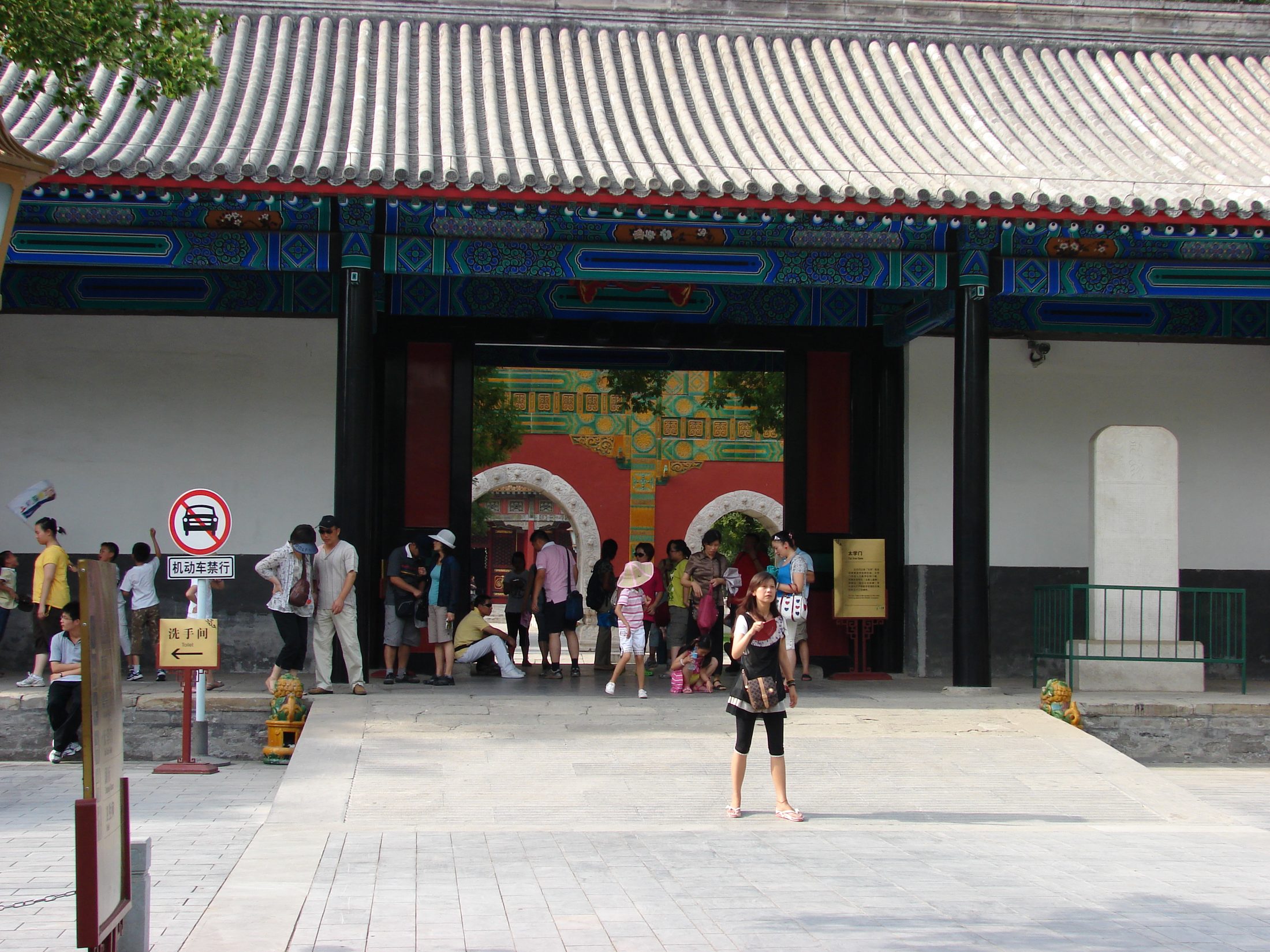
Key Takeaways
- Confucius Temple and Guozijian are usually strongest as a focused cultural layer, not as one of the top two or three headline anchors of a first Beijing trip.
- The site often works best for readers who want history with a more scholarly and human scale than the Forbidden City.
- It fits naturally with Yonghe Temple, Ditan Park, and slower old-city or Dongcheng walking instead of the city's heaviest ceremonial day.
- For many first-time visitors, it becomes more valuable once the central imperial core and Great Wall are already secure.
Confucius Temple and Guozijian are some of the best places in Beijing for travelers who want the city to feel deeper without making it feel heavier.
That is the real reason to use them.
Useful planning references for this stop include the government pages for Guozijian / Temple of Confucius and the Confucian Temple and Imperial College Museum. The core read is simple: this is a calmer scholarly layer for readers who already have Beijing’s biggest anchors in place, not a first-tier blockbuster by itself.
Who this is for
Use this page if you are asking:
- are Confucius Temple and Guozijian worth adding to a first Beijing trip?
- when do they fit better than one more park, museum, or shopping district?
- how much time should they get?
- what kind of day should they sit inside?
If the trip still has not secured the main anchors, start with Forbidden City and Mutianyu Great Wall first.
The short answer
Confucius Temple and Guozijian are usually worth it when:
- the trip already has the biggest anchors
- you want one calmer, more intellectual historic layer
- the day needs culture and atmosphere more than another giant formal sight
They are usually weaker when:
- the stay is very short
- you are still trying to fit the Great Wall or the main imperial core
What the site is best for
This complex is usually best for:
- one focused historical stop
- readers who care about education, ritual, and Confucian history
- a supporting cultural layer inside a slower Dongcheng day
It is usually not best for:
- travelers seeking their single biggest Beijing payoff
- anyone expecting palace scale
How much time does it usually need?
For many first-time visitors, the site works with:
60 to 90 minutes as a focused visit2 hours if it is part of a slower east-of-center day with nearby walking
It usually does not need to dominate the full day by itself.
When does it fit best?
Confucius Temple and Guozijian usually fit best:
- on a slower Day 3 or Day 4
- with Yonghe Temple if the trip wants a more cultural east-Dongcheng layer
- with Ditan Park if the route wants a lighter historic-and-park pairing
It often fits less well:
- inside the most overloaded central day
- on a strict 2-day version of Beijing
Why it helps the trip
This site often helps because it adds:
- another type of historical Beijing
- a calmer, more human scale than the giant imperial anchors
- a cultural stop that works well without requiring a whole high-intensity day
That can be exactly what a longer first trip needs.
Common mistakes
- expecting the scale of the Forbidden City
- using the site before the main Beijing anchors are secure
- visiting it without deciding what the rest of the day should feel like
- forcing it into a route that really needed a park or neighborhood block instead
Before You Go
- Use this site when the trip needs one thoughtful cultural stop, not another giant blockbuster.
- Do not expect palace-scale payoff.
- Pair it with nearby Dongcheng atmosphere if you want the stop to feel more natural in the route.
FAQ
Is Confucius Temple and Guozijian worth visiting on a first Beijing trip?
Often yes if you already have the main landmark anchors covered and want one calmer cultural stop with more scholarly and historical texture.
How much time do you need for Confucius Temple and Guozijian?
Many first-time visitors do well with around 60 to 90 minutes, or longer if the visit is part of a slower Dongcheng day.