Priority 1
Treat Shanghai as a layered global city
Mix skyline stops with neighborhoods, food streets, architecture, shopping, and flexible walking time instead of reducing the city to only a skyline checklist.
Reported city features, practical travel notes, and destination coverage across China.
Destination Hub
Shanghai is one of China's most international and traveler-friendly big cities, combining a world-famous skyline, elegant historic districts, excellent food, and easy short itineraries that still feel rich and varied.
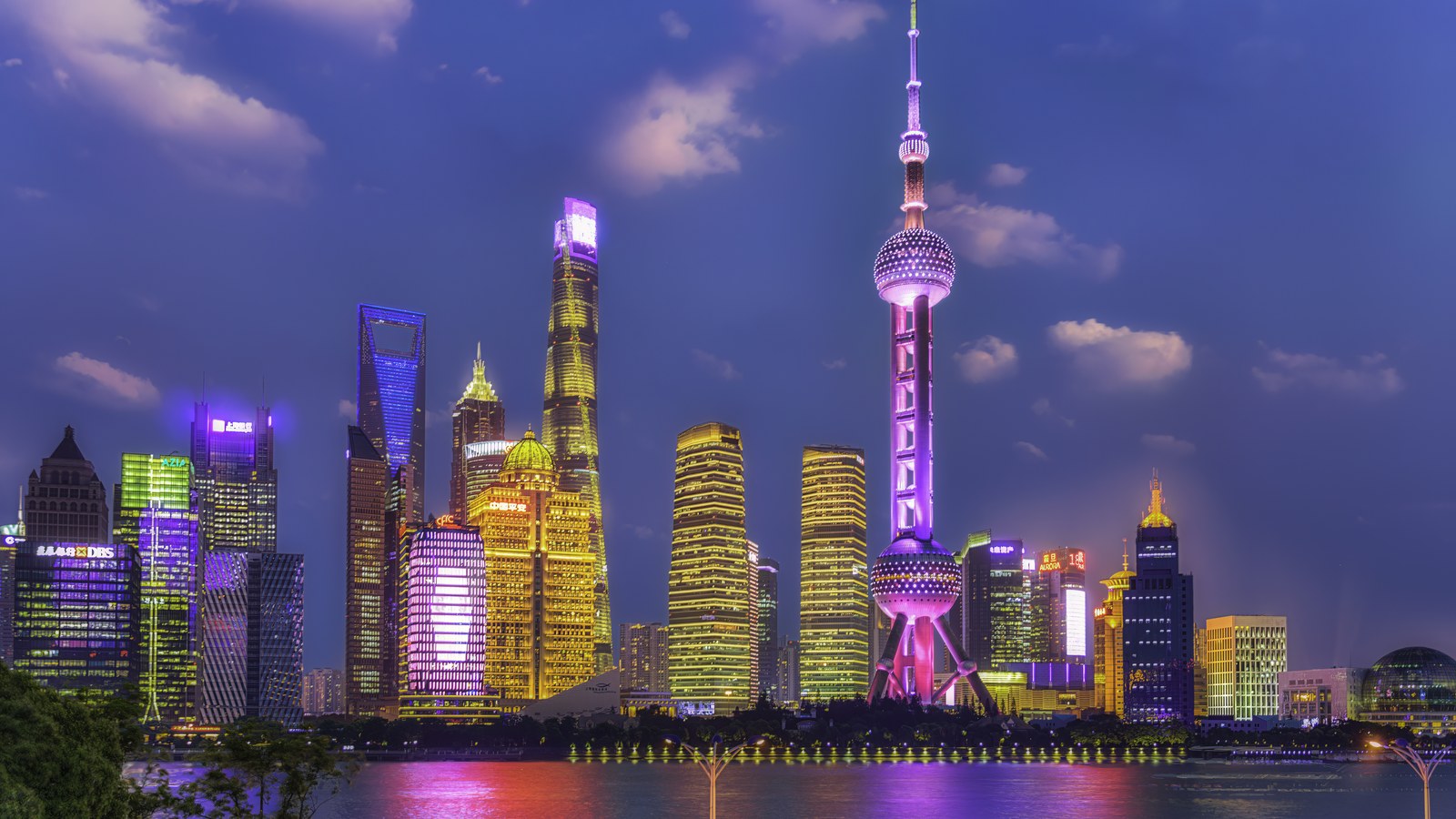
Shanghai is usually strongest for travelers who want short urban trips, easy first-time navigation, and travelers who want modern China with comfort and variety. Most first-time visits work best when the city is given 2 to 4 days, because that is normally enough space to protect the main payoff without making the route feel padded.
Works best as a compact but high-density city break with room for skyline, neighborhoods, food, shopping, and evenings. For many readers, the real planning question is not just whether to go, but what role the stop should play in the wider route. If you are still deciding that part, start with Shanghai, The Liquid City: Where Haipai Life Still Feels Most Alive and Best Time to Visit China: Weather, Seasons, and First-Trip Advice .
Shanghai also becomes easier once you decide early whether it should pair with Hangzhou, Suzhou, and Nanjing or carry more weight on its own. That is usually the point where hotel area, transfer timing, and one or two anchor places start mattering more than the raw attraction count. A good next move is Best Area to Stay in Shanghai for First-Time Visitors plus Shanghai Airport to City for First-Time Visitors: Pudong vs Hongqiao Arrival Guide so the practical side stays realistic alongside China's 240-Hour Visa-Free Transit, Clearly Explained: Eligibility, Routing, and Common Mistakes .
Once one specific sight or district starts shaping the day, move from general planning into place pages. Most first-time visitors begin with The Bund in Shanghai: Best Time to Go for First-Time Visitors and Lujiazui Skyline: Is It Worth It for First-Time Shanghai Visitors? before they lock the day order.
Priority 1
Mix skyline stops with neighborhoods, food streets, architecture, shopping, and flexible walking time instead of reducing the city to only a skyline checklist.
Priority 2
The right hotel area matters more than chasing one famous address because Shanghai is best experienced by district.
Priority 3
If Hangzhou, Suzhou, Nanjing, or another nearby city is part of the trip, shape the rail timing before finalizing the city days.
If Shanghai is already on the short list, begin with these pieces before you narrow hotel areas, day order, or advance bookings.
Shanghai
Shanghai feels strongest when skyline icons are balanced with longtang lanes, coffee culture, Suzhou Creek, and one slower local block.
Shanghai
Shanghai is one of the easiest first cities in China for international travelers, but it is also one of the country's most rewarding big-city stops because skyline, food, shopping, and neighborhood contrast all fit into a short stay.
Shanghai
Shanghai is one of the easiest and most rewarding cities to use under the 240-hour transit policy because arrival, transport, and pacing are more forgiving than in many other large China cities.
Shanghai
A strong first Shanghai trip usually needs the Bund, one lived-in neighborhood day, one old-core or museum contrast, and one food or night block before it needs more skyline.
Shanghai
Three days is still the best first answer because Shanghai needs one day for spectacle, one for neighborhoods, and one for choice.
Shanghai
Usually, the strongest Shanghai base is a central, metro-friendly zone that keeps both the Bund side and the inner neighborhoods easy to reach.
Once the stop is real, these are the pieces that usually steady it: where to stay, how to arrive, how to move around, what to book early, and how to recover a day that drifts off plan.
Shanghai
Usually, the strongest Shanghai base is a central, metro-friendly zone that keeps both the Bund side and the inner neighborhoods easy to reach.
Shanghai
Usually, Puxi is the better default because the Bund side, People's Square, French Concession, food districts, and easier city rhythm all usually work better from there.
Shanghai
Usually, the Bund side is the better answer when classic skyline access and shorter central sightseeing days matter most.
Shanghai
Shanghai is easier than many first-time visitors expect, but the best transfer still depends on the exact airport and hotel base.
Step 1
These pieces help you judge pace, trip length, and whether Shanghai belongs as a major stop or a lighter addition.
Step 2
This shelf turns to neighborhood fit, stay length, and the rhythm that makes the stop feel lived-in rather than rushed.
Step 3
These place reads become useful once one museum, district, park, or landmark begins to organize the day.
Step 4
The practical layer usually enters here: payments, rail timing, and booking assumptions that decide what the route can actually hold.
One of the clearest places to experience modern urban China at full scale, from the Bund and Lujiazui skyline to polished shopping streets and late-night neighborhoods.
A comfortable starting city for travelers who want international flights, modern transport, manageable navigation, and a softer landing into China without giving up excitement.
Supports short itineraries unusually well because skyline districts, former-concession streets, food neighborhoods, museums, and riverfront evenings can be grouped cleanly.
Easy to combine with nearby scenic or slower-paced extensions like Hangzhou, Suzhou, or Nanjing while still being strong enough to stand on its own as a rewarding city stop.
Shanghai is one of the easiest first cities in China for international travelers because airport transfers, metro use, food access, and day-to-day movement are comparatively straightforward for a city of this scale.
For the early stage when the city, region, or route still needs to earn its place.
Shanghai
Shanghai feels strongest when skyline icons are balanced with longtang lanes, coffee culture, Suzhou Creek, and one slower local block.
Shanghai
Shanghai is one of the easiest first cities in China for international travelers, but it is also one of the country's most rewarding big-city stops because skyline, food, shopping, and neighborhood contrast all fit into a short stay.
For the moment when a city is chosen and now has to become nights, neighborhoods, and a believable stay length.
Shanghai
Three days is still the best first answer because Shanghai needs one day for spectacle, one for neighborhoods, and one for choice.
Shanghai
Usually, the strongest Shanghai base is a central, metro-friendly zone that keeps both the Bund side and the inner neighborhoods easy to reach.
Shanghai
Usually, Puxi is the better default because the Bund side, People's Square, French Concession, food districts, and easier city rhythm all usually work better from there.
Shanghai
Usually, the Bund side is the better answer when classic skyline access and shorter central sightseeing days matter most.
For the stage when inspiration is no longer enough and the days need a real sequence.
Shanghai
A strong first Shanghai trip usually needs the Bund, one lived-in neighborhood day, one old-core or museum contrast, and one food or night block before it needs more skyline.
East China
One week in East China works best with three strong stops or four very selective ones, not with every city trying to be a full version of itself.
Shanghai
Three days is enough for a strong first look at Shanghai if the route stays neighborhood-based.
Shanghai
Shanghai can work very well with kids if each day has one clear job instead of trying to treat the city like a nonstop adult sightseeing list.
Shanghai
For many first-time families, the strongest 3-day Shanghai version is one central skyline day, one full Disneyland day or equivalent wow-factor day, and one calmer indoor or old-core day.
Shanghai
A strong first Shanghai food plan usually needs one xiaolongbao meal, one quicker everyday classic, and one proper benbang dinner.
Shanghai
The best Shanghai meal plan usually starts with the right district for the day, not with one generic best-restaurant ranking.
Shanghai
The best Shanghai evening plan usually follows the day you already had instead of acting like a separate sightseeing mission.
Shanghai
Four days gives Shanghai enough room for one iconic skyline day, one neighborhood day, one old-core or museum layer, and one slower or more polished fourth day.
For the practical questions that start deciding what the trip can realistically be.
Shanghai
Shanghai is one of the easiest and most rewarding cities to use under the 240-hour transit policy because arrival, transport, and pacing are more forgiving than in many other large China cities.
Shanghai
Shanghai rarely needs heavy prebooking; it usually needs only a few high-friction decisions made at the right moment.
Shanghai
East China rail is excellent, but the route only feels easy when hotel bases, station access, and sightseeing load are shaped honestly.
Shanghai
A rainy day in Shanghai is usually a routing problem, not a ruined-trip problem.
Shanghai
Shanghai Disneyland usually works best as a full-day plan, not as a side trip squeezed between the Bund and another city district.
Shanghai
For most first-time visitors, the safest ticket strategy is to buy through Shanghai Disney Resort's official direct channels instead of starting with random resellers.
Shanghai
Shanghai is easier than many first-time visitors expect, but the best transfer still depends on the exact airport and hotel base.
Shanghai
For many first-time visitors, taxi or Didi is the easiest Pudong-to-downtown choice when arrival is late, luggage is heavy, or the hotel route is still unclear.
Shanghai
Hongqiao is much closer to central Shanghai than Pudong, so metro is often a genuinely strong first-time option here rather than only a budget compromise.
These place pages cover the landmarks, neighborhoods, museums, and busy districts that most often end up deciding timing, route logic, or where a day naturally begins and ends.
Most first-time visitors start by comparing The Bund in Shanghai: Best Time to Go for First-Time Visitors , Lujiazui Skyline: Is It Worth It for First-Time Shanghai Visitors? , Shanghai Tower in Shanghai: Is It Worth Visiting on a First Trip? and Oriental Pearl Tower in Shanghai: Is It Worth Visiting on a First Trip? before they lock the day order.
Shanghai
The Bund matters most as a timing decision, not as a long stand-alone attraction.
Shanghai
Lujiazui is most useful when you want the modern Shanghai side of the skyline, not when you only need a quick city symbol.
Shanghai
Shanghai Tower is usually worth it when you want the strongest premium skyline view and visibility is good enough to justify the height.
Shanghai
Oriental Pearl Tower is usually worth it when the classic Shanghai icon matters as much as the view and the trip wants one more obviously first-time landmark experience.
Shanghai
The French Concession matters when you want Shanghai to feel like a city to move through, not only a skyline to photograph.
Shanghai
M50 Creative Park is usually worth it for travelers who genuinely enjoy contemporary art, warehouse conversions, and graffiti-heavy industrial texture, but it is not a default first-trip priority for everyone.
Shanghai
Yu Garden is most useful as part of an old-city block, not as a citywide anchor that must control the whole day.
Shanghai
City God Temple is usually worth it as part of a selective old-city block with Yu Garden, not as a stand-alone citywide anchor.
Shanghai
Shanghai Museum is strongest when it gives the trip cultural depth and a weather-proof block, not when it is forced in only because a museum feels responsible.
Shanghai
Jade Buddha Temple is usually worth it when your Shanghai trip needs one shorter, quieter cultural block instead of another skyline, shopping, or commercial district.
These nearby or complementary stops can turn Shanghai into a more balanced wider route.
scenic pacing
That single choice changes the pace, hotel need, and how much of the lake area can be enjoyed well.
classical gardens and canal streets
Most first-time visitors enjoy the city more when one strong garden and one strong old-street block are protected first.
history without Beijing-scale intensity
That one choice changes whether the city feels layered and rewarding or like a compressed historical sampler.
These topic reads cover the practical layer that often decides whether the city feels easy, expensive, rushed, or surprisingly calm.
Start here when the city is still being weighed against the rest of the route.
Route Shape
Spring and autumn are usually the easiest seasons to build around.
Route Shape
The best hotel area is the one that supports your most important daily movements.
These reads cover the quiet practical layer: entry, internet, payment, and the first move into town.
Arrival And Basics
Many travelers still search for 144-hour transit, but the current policy travelers usually mean is the 240-hour visa-free transit policy.
Arrival And Basics
Most first-time visitors do not need every famous China app. They need a small stack that clearly covers payment, messaging, maps, trains, and local transport.
Come here once trains, flights, transfers, and intercity timing begin to set the route.
Transport And Timing
Most East China trips do not require booking everything, but a few decisions can quietly control the whole route.
Transport And Timing
Airport transfer time is part of the first day, not a small detail after the flight.
Planning Support
If the city belongs in the trip but its length, neighborhood, or onward pairing still feels unresolved, send over the sticking point.