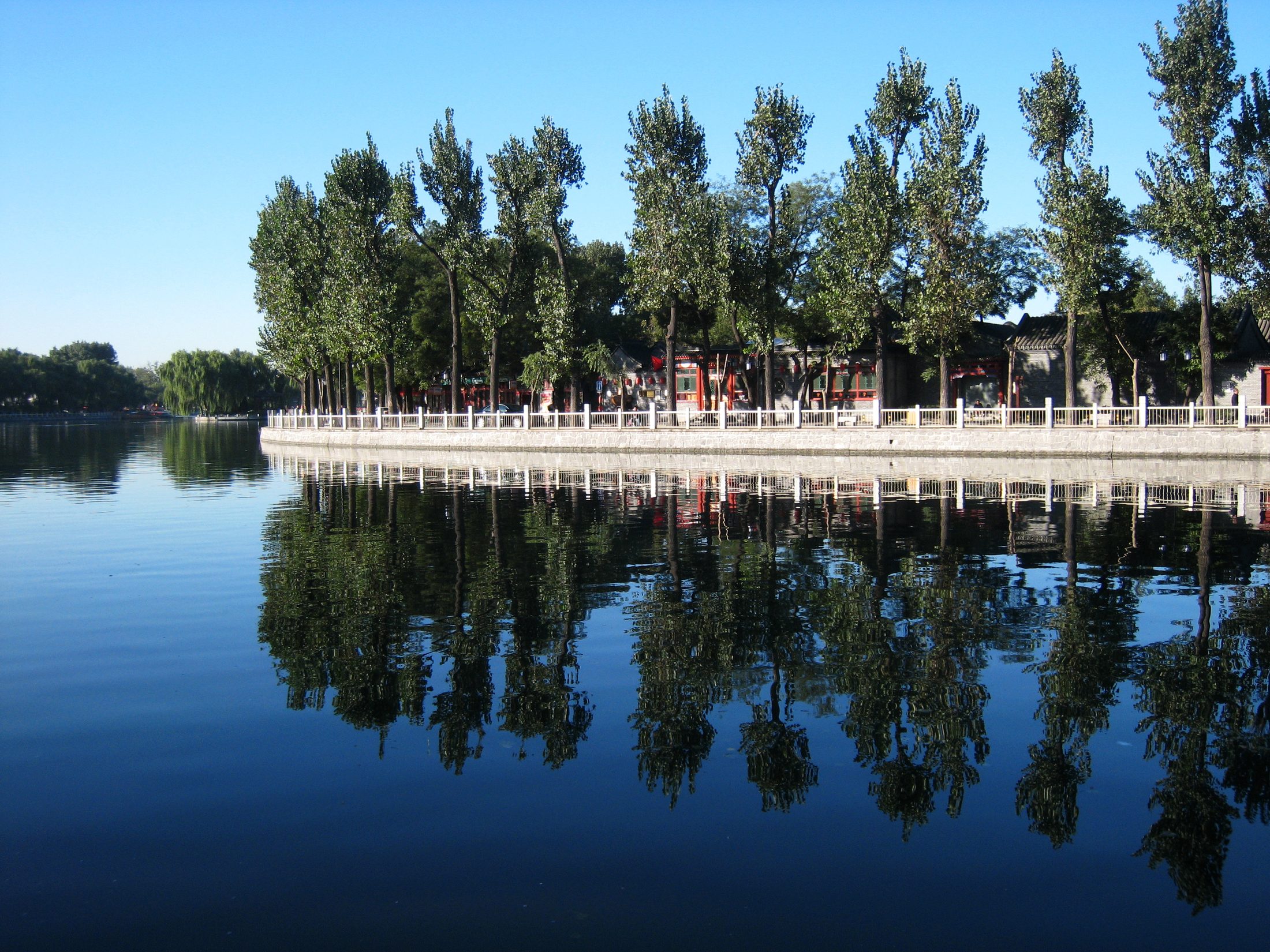
Key Takeaways
- Shichahai is often one of the best areas in Beijing for adding water, hutong texture, and slower walking into the trip.
- It usually works best as part of a slower day or easier evening rather than as a giant standalone anchor.
- For many first-time visitors, Shichahai is one of the clearest ways to make Beijing feel more human and less only ceremonial.
- It is usually stronger than Wangfujing when the day needs atmosphere, and stronger than Sanlitun when the day needs old-city texture.
Shichahai is one of the places that helps Beijing feel more like a city and less like a monument sequence.
That is a big reason it matters on a first trip.
Useful planning references for this stop include current Beijing-government visitor material, including official pages on the Shichahai scenic area, Shichahai by subway landmark guide, and a recent Beijing-government feature on Shichahai’s nighttime feel.
Who this is for
Use this page if you are asking:
- is Shichahai worth time on a first Beijing trip?
- how is it different from Qianmen or Sanlitun?
- when does a lakeside hutong area improve the route?
- should Shichahai be a daytime stop or an evening layer?
If the broader slower-day question is still unsettled, keep Qianmen in Beijing and Qianmen in Beijing open too.
If the live question is not only whether Shichahai fits the day but whether this should become a paid or rickshaw-style Beijing hutong tour, keep Beijing Hutong Tour for First-Time Visitors: What to Book, What to Walk, and What to Skip open too.
The short answer
Shichahai is usually worth it when:
- the trip needs one slower old-city block
- you want water, hutongs, and a more lived-in atmosphere
- the route needs texture more than another giant formal sight
It is often strongest as a supporting area, not as the whole reason to cross Beijing.
What Shichahai is best for
Shichahai is usually best for:
- lakeside walking
- old-city texture
- hutong atmosphere with clearer structure than vague wandering
- one calmer afternoon or evening
For many first-time visitors, it gives exactly the kind of contrast Beijing needs after palace-scale days.
What it feels like
The official Beijing pages describe Shichahai as a historic cultural block built around three water areas.
In trip terms, that means it often adds:
- openness
- water
- movement without monument pressure
- a more social and local-feeling old-city layer
That makes it different from both Qianmen and Sanlitun.
Shichahai vs Qianmen vs Sanlitun
Choose Shichahai if:
- you want lake-and-hutong atmosphere
- the day needs softer old-city walking
- you want Beijing to feel more lived-in
Choose Qianmen if:
- you want a more central historic-core continuation
- the day already is built around the ceremonial center
Choose Sanlitun if:
- you want modern evening energy instead of old-Beijing texture
That is why Shichahai often works best on the city’s slower day rather than on the biggest central landmark day.
When does it fit best?
Shichahai usually fits best:
- on Day 3 or Day 4 of a 4-day trip
- as part of a hutong-and-snack day
- as one easier evening or late-afternoon old-city block
It usually fits less well:
- on the already overloaded Forbidden City day
- when the trip still has not made room for the Great Wall
- if the route already has too many separate neighborhood blocks fighting each other
How much time does it usually need?
For many first-time visitors, Shichahai usually works with:
1 to 1.5 hours as a lighter atmosphere stop2 to 3 hours if the area is part of a fuller slower day with food and walking
It often feels best when time is relaxed enough to notice the area rather than race through it.
Why it makes itineraries richer
Some Beijing trips feel thin not because they lack famous names, but because every day has the same tone.
Shichahai helps fix that by adding:
- a different scale
- a water-side mood
- one old-city layer that is less ceremonial than the imperial core
That is why it often improves itineraries more than one more museum or shopping strip would.
What usually makes it disappointing
Shichahai often disappoints when travelers:
- expect one giant iconic attraction payoff
- arrive too tired to enjoy slower walking
- add it to a day that already is fighting itself
Its value comes from atmosphere and fit, not from a single blockbuster sight.
Common mistakes
- treating Shichahai like a must-do giant landmark
- using it on the wrong day instead of the slower day
- expecting it to do the same job as Qianmen or Sanlitun
- hurrying through it with no food, hutong, or evening logic around it
Before You Go
- Use Shichahai for atmosphere, walking, and old-city texture, not for a blockbuster landmark payoff.
- Pair it with hutongs, snacks, or one calmer scenic day.
- Do not force it into the most overloaded landmark day.
FAQ
Is Shichahai worth visiting on a first Beijing trip?
Often yes, especially if you want one part of Beijing to feel slower, more atmospheric, and more lived-in than the city's biggest landmark blocks.
What is Shichahai best for?
It is best for lakeside walking, hutong atmosphere, easier old-city texture, and a softer city block after Beijing's heavier landmark days.