Key Takeaways
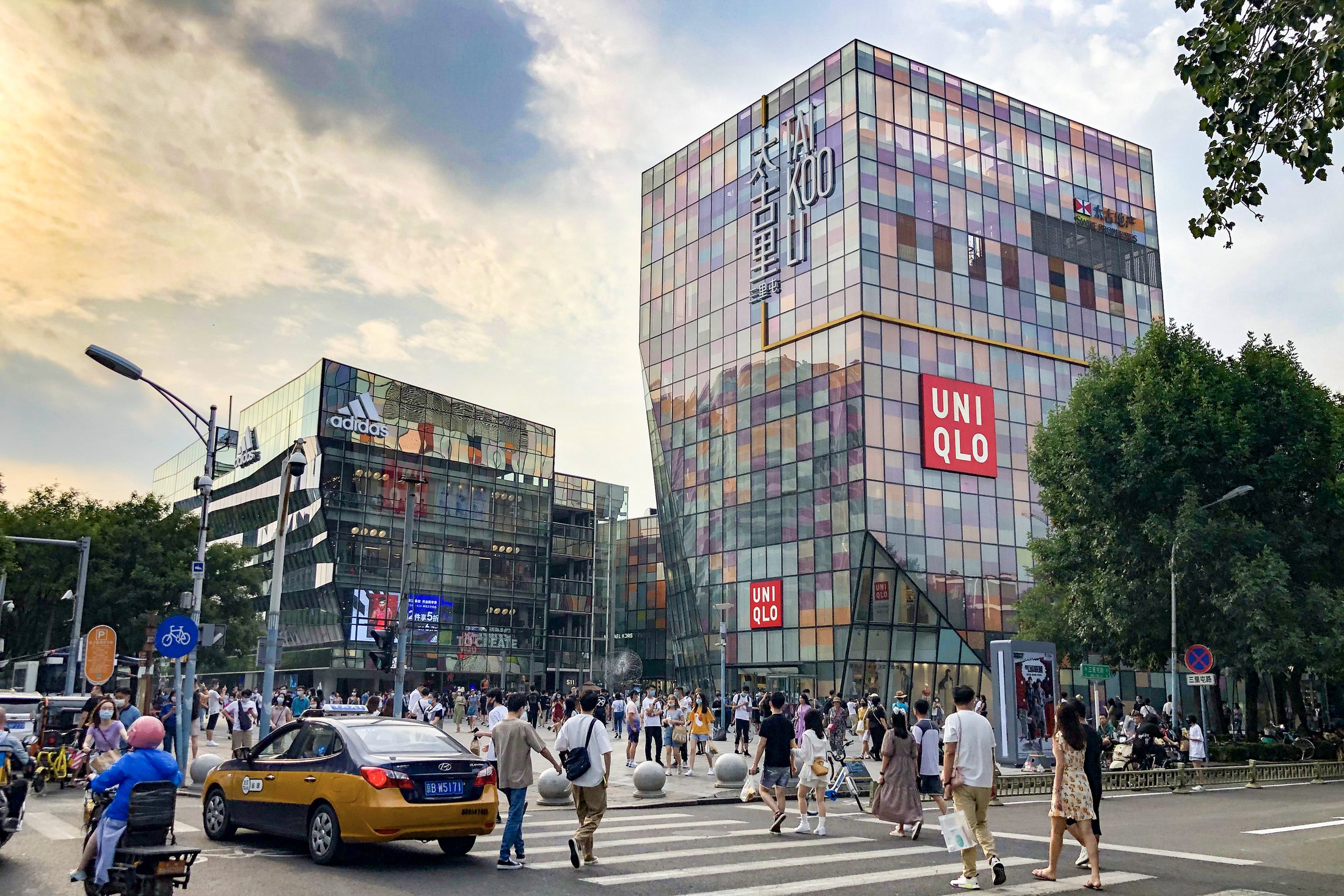
- Sanlitun is one of the easiest places in Beijing to experience the city's more modern, social, and internationally familiar side.
- For many first-time visitors, it feels best as an evening neighborhood rather than a classic daytime attraction.
- It is also one of the clearest Beijing districts for stronger Western restaurants, cocktail bars, wine bars, and easier international dining fallback.
- It often works well after heavy historical sightseeing because it changes the mood of the trip without demanding much planning.
Sanlitun is one of the clearest examples of a Beijing place that matters more for mood, comfort, and city feel than for traditional sightseeing prestige.
For the right traveler, it can make Beijing feel easier, more social, and more current. It is often the place where the trip suddenly stops feeling like only palaces, gates, and ticket lines.
Who this is for
This page is for travelers asking:
- what does Sanlitun actually feel like?
- is it better as an evening area than as a daytime attraction?
- should I stay there or just visit once?
- how is it different from Wangfujing or Qianmen?
The short answer
Sanlitun is worth it when your Beijing trip benefits from one of these:
- a modern urban counterweight to historical sightseeing
- an easier dinner-and-evening district
- stronger Western restaurants, bars, and more international dining comfort
- food, drinks, shopping, or social city energy
- a more contemporary hotel area
It is usually not where you spend your most important daytime sightseeing hours. It is where many travelers go when they want Beijing to feel less ceremonial and more lived-in for a few hours.
What Sanlitun feels like
Some Beijing places are there to teach history. Sanlitun is there to make part of the trip feel easier.
It is especially useful for:
- dinner after a heavy sightseeing day
- a modern neighborhood walk that does not require much planning
- travelers who want bars, cafes, shopping, and people-watching in one area
- visitors who want one stronger Western meal, wine bar, cocktail bar, or more internationally familiar evening
- visitors who feel more comfortable keeping at least one familiar-feeling district in the route
If the neighborhood already is chosen and the live problem is no longer whether Sanlitun belongs in the trip but how to turn it into one easy drinks-led evening, the narrower execution page is A First Sanlitun Drinks Night: Where to Go Without Overthinking Beijing Bars.
That matters more than it sounds. A first Beijing trip can become very monument-heavy. Sanlitun gives some travelers the reset that makes the city feel broader and more current.
When do most visitors enjoy it most?
For most first-time visitors, Sanlitun is more useful in the late afternoon or evening.
That is when the area is usually best for:
- dinner and drinks
- a low-pressure modern walk
- an easy backup plan if you do not want another museum or palace block
- ending the day somewhere that still feels lively
During the day, it can still work, but the experience is usually flatter unless shopping or hotel scouting is one of your actual priorities.
What kind of food-and-drinks night is Sanlitun best for?
Sanlitun is usually not the place to chase old Beijing food traditions.
It is strongest when you want:
- one polished modern Chinese dinner
- one stronger Western restaurant
- cocktails, wine, or bar-hopping that still feels easy for visitors
- a mixed group where not everyone wants another traditional Beijing meal
That makes it especially useful on longer Beijing stays or on trips where one evening should simply feel socially easy.
How much time does it usually take?
For most first-time visitors, Sanlitun usually fits one of these time budgets:
1 to 1.5 hours if you mainly want dinner or a short modern-city walk2 to 3 hours if you want dinner, browsing, and a slower evening blockhalf an evening if it is one of your main social or nightlife stops
It is usually not a place that deserves a full sightseeing half-day unless shopping or hotel research is genuinely one of your priorities.
When does it improve the trip most?
Sanlitun is strongest if:
- you want at least one easy dinner-and-evening area
- your trip is not only about landmarks and museums
- you like mixing cultural sightseeing with modern city life
- you may want to stay in a more contemporary district
It is also useful on longer Beijing stays, where one modern neighborhood often makes the whole trip feel more balanced.
It matters less if your Beijing stay is very short and tightly focused on the Forbidden City, Temple of Heaven, the Great Wall, and other imperial-historical anchors.
Should you stay there?
Sometimes yes, but only if it fits the whole route rather than just sounding fun.
Sanlitun can be a good base if:
- you care a lot about dining and nightlife
- you want a more modern district feel
- you are comfortable letting atmosphere and evenings matter almost as much as monument proximity
It is usually a weaker base if:
- you only have a short first trip
- most of your priorities are in the central imperial core
- you want the simplest possible sightseeing-first route
This is where How to Choose the Right Hotel Location in China Cities and Where to Stay in Beijing for a First Trip matter more than blanket advice. A pleasant neighborhood does not automatically mean it is the smartest base for your exact Beijing plan.
If the live hotel split already has narrowed to Sanlitun or Wangfujing, the tighter side-by-side answer is Wangfujing or Sanlitun: Where to Stay in Beijing for First-Time Visitors.
If the live hotel split already has narrowed to Sanlitun or Qianmen, the tighter side-by-side answer is Qianmen or Sanlitun: Where to Stay in Beijing for First-Time Visitors.
Sanlitun vs Wangfujing vs Qianmen
These three areas can all appear on Beijing lists, but they solve different problems.
Sanlitun is usually best when you want:
- a more modern and social side of the city
- better evening energy
- stronger Western restaurants and bars
- a neighborhood that can work for dinner, drinks, and contemporary city feel
Wangfujing for First-Time Visitors is usually more about central convenience and shopping than about atmosphere.
Qianmen for First-Time Visitors is usually more about old-Beijing atmosphere and central-historic walking logic.
If you only have room for one of them, the choice should come from your route style:
- choose Sanlitun for modern evenings
- choose Wangfujing for central convenience
- choose Qianmen for historic atmosphere
How do travelers usually fit it into a real Beijing itinerary?
Sanlitun usually works best in one of these slots:
- after a heavier central sightseeing day when you do not want another historical stop
- on the final evening, when you want somewhere lively but easy to use
- as the dinner-and-evening part of a longer Beijing day that started elsewhere
It usually works less well when you try to force it into the middle of a daytime monument route.
For example, it is usually a better fit after a day built around the Forbidden City, Temple of Heaven, or museums than as a stop between them.
Is it annoying to get there and back?
That depends mostly on where you stay and what time you go.
Sanlitun is easier when:
- it is near your hotel
- it is the final stop of the day
- you are comfortable using metro on the way there and Didi or taxi later if needed
It is less efficient when:
- you are staying deep in the historic core and only going there for a quick look
- you are crossing the city at rush hour just for one short stop
- your itinerary is already packed and the evening transfer adds friction
For many first-time visitors, the better question is not whether Sanlitun is famous enough, but whether it will make that part of the day feel easier and more enjoyable.
What usually makes Sanlitun disappointing?
The area tends to disappoint when travelers:
- go because they think every famous area must be visited
- expect it to deliver the same value as a major historical sight
- treat it as a mandatory daytime attraction instead of a fit-based neighborhood
- use it badly inside a route that is already too scattered
That is also why many visitors do better with one calm district-first page instead of a giant bar checklist. If that is the real issue, go next to A First Sanlitun Drinks Night: Where to Go Without Overthinking Beijing Bars.
Who usually gets the most value from it?
Sanlitun is often a strong fit for:
- couples who want one better evening district
- repeat Asia travelers who are comfortable mixing sightseeing with city lifestyle time
- visitors staying four or more days in Beijing
- travelers who want Beijing to feel more varied than only palaces, gates, and queue-heavy landmarks
It is often a weaker fit for:
- travelers with only one or two days in Beijing
- visitors who mostly care about dynastic history and classic landmarks
- families or early-start itineraries that will not really use the nightlife side
How to fit Sanlitun into a real Beijing trip
The most practical ways to use Sanlitun are usually:
- dinner and evening after a heavier central sightseeing day
- a flexible final-night neighborhood if energy is still good
- a hotel-base choice for travelers who prioritize dining and nightlife
- one Western-meal-or-cocktail reset on a longer Beijing stay
- a lower-pressure modern block on a longer Beijing stay
It is usually not strongest as a half-day that forces you to cross the city just to say you went.
Common mistakes
- treating Sanlitun like a mandatory sightseeing monument
- visiting at the wrong time of day and then finding it underwhelming
- choosing it without thinking about hotel or evening logic
- crossing the city for it on a short itinerary that already has stronger priorities
- assuming that famous means essential
Before You Go
- Decide whether Sanlitun is an evening stop, a hotel-base question, or just a backup modern neighborhood.
- Do not compare it directly with places like the Forbidden City or Temple of Heaven; it solves a different travel need.
- Use it when your Beijing plan benefits from easier dining, nightlife, or a more international-feeling area.
FAQ
Is Sanlitun worth visiting on a first Beijing trip?
For many travelers, yes, especially if they want one easier modern neighborhood for dining, shopping, or nightlife rather than only historical sightseeing.
Should every first-time visitor go to Sanlitun?
No. It is a fit-dependent area. It works well for some travel styles and feels less essential for others.
Is Sanlitun better in the evening than during the day?
For many first-time visitors, yes. Sanlitun is often more useful for dinner, drinks, shopping, and modern city atmosphere than as a daytime sightseeing anchor.
Is Sanlitun the best area in Beijing for Western restaurants and bars?
For many first-time visitors, yes. Sanlitun is one of the easiest places to find stronger Western restaurants, cocktail bars, wine bars, and a more international night-out feel.
Is Sanlitun a good area to stay in?
It can be, especially if food, nightlife, and a more modern district feel matter to you. It is usually a style choice rather than the automatic best base for every first Beijing trip.