Place Guide
Yu Garden in Shanghai: Is It Worth Visiting for First-Time Visitors?
Decide whether Yu Garden is worth visiting, how to handle the crowds, and how much time to give this classic old-Shanghai stop.
Reported city features, practical travel notes, and destination coverage across China.
Place Guide
Decide whether Yu Garden is worth visiting, how to handle the crowds, and how much time to give this classic old-Shanghai stop.
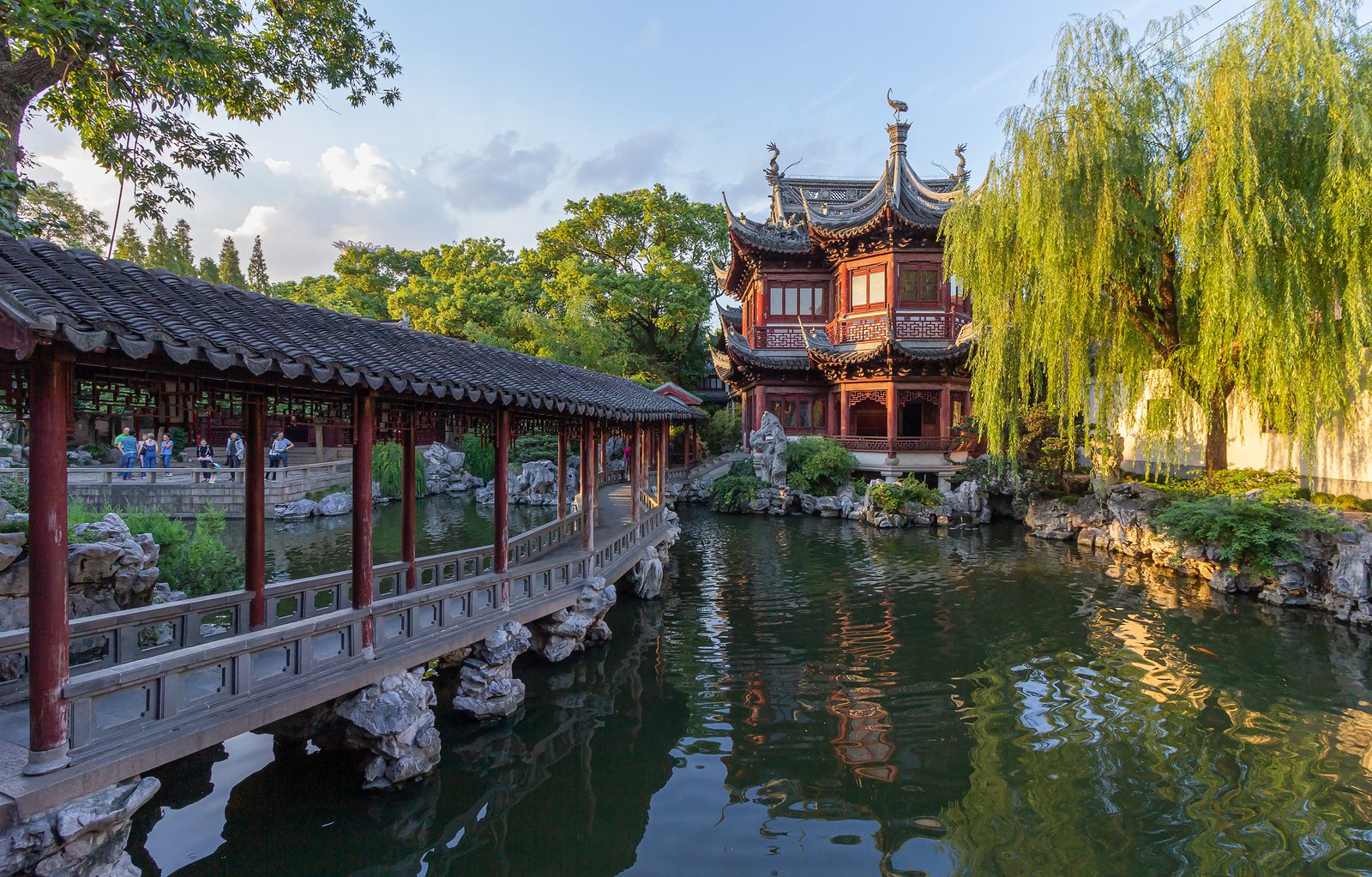
Yu Garden is one of the most common “should we do it?” questions in a first Shanghai itinerary because it sits right on the line between classic and crowded.
Read this if you are weighing:
Yu Garden is good at giving the trip:
It is less good as a quiet, restorative experience. If the trip needs calm more than contrast, plan accordingly.
Yu Garden deserves priority when:
It matters less if your trip is already full of dense crowds, or if you personally get little value from classic but high-footfall areas.
For many readers, the right answer is a controlled central-city block, not an open-ended half-day.
Keep enough time for:
The mistake is usually not “too little Yu Garden.” It is letting the area create more crowd fatigue than the route can absorb.
Yu Garden usually works best when you expect:
It usually works less well when you expect a peaceful, low-friction garden escape in the middle of a busy city day.
The strongest pairings stay in central Shanghai:
That is usually better than trying to bounce from here to a far-flung district just because both are famous.
For many first-time trips, Yu Garden works best once the skyline question is already settled. Keep it with The Bund if you want a tighter central day, use French Concession on a separate slower day, and compare Shanghai Museum instead if the real need is indoor depth or weather protection.
If the old-city question already is narrower than Should we do Yu Garden? and has become Does the surrounding temple-and-bazaar layer add enough to justify more central time?, the sharper companion page is City God Temple in Shanghai: When the Old City Adds More Than Crowds.
Often yes, especially if you want a traditional-core contrast with modern Shanghai. It is usually most rewarding when used as part of a central old-city block instead of treated as the whole day.
Publication Note
First published 6/17/2026 · Updated 6/19/2026
We revisit place pages when booking logic, timing advice, or city-day assumptions shift enough to change the decision.
Back To The City
The city page gathers neighborhoods, city-day logic, and practical reads around it.
short urban trips
Mix skyline stops with neighborhoods, food streets, architecture, shopping, and flexible walking time instead of reducing the city to only a skyline checklist.
Shanghai
City God Temple is usually worth it as part of a selective old-city block with Yu Garden, not as a stand-alone citywide anchor.
Shanghai
This site is most valuable as a focused modern-history stop, not as a general Shanghai must-see for everyone.
Shanghai
The French Concession matters when you want Shanghai to feel like a city to move through, not only a skyline to photograph.
Shanghai
A strong first Shanghai trip usually needs the Bund, one lived-in neighborhood day, one old-core or museum contrast, and one food or night block before it needs more skyline.
Shanghai
Shanghai is one of the easiest first cities in China for international travelers, but it is also one of the country's most rewarding big-city stops because skyline, food, shopping, and neighborhood contrast all fit into a short stay.
Shanghai
Three days is enough for a strong first look at Shanghai if the route stays neighborhood-based.
Arrival And Basics
The best transport mode changes by city, time of day, and how tired you are.
Route Shape
Spring and autumn are usually the easiest seasons to build around.
Planning Support
When the stop is clear but the rhythm around it is not, it helps to build the day around the place instead of squeezing the place into a weak plan.
About The Author
Shanghai Features Editor
Sophia Li is a Shanghai-based features editor at China Travel Notes. She leads Shanghai and Suzhou coverage, especially stories where architecture, neighborhood rhythm, food culture, design, and city mood all need to be read together. Her work aims to make East China feel more lived-in and less like a skyline checklist.