Shanghai
Shanghai, The Liquid City: Where Haipai Life Still Feels Most Alive
Shanghai is richest where polish gives way to texture: longtang domesticity, cafe rituals, riverfront art, and the steady reinvention of Haipai urban life.
Reported city features, practical travel notes, and destination coverage across China.
Shanghai
Shanghai is richest where polish gives way to texture: longtang domesticity, cafe rituals, riverfront art, and the steady reinvention of Haipai urban life.
Many first-time visitors describe Shanghai as the city where China first feels legible.
That can sound like faint praise, as if Shanghai matters only because it is easy.
But that misses the deeper point.
Shanghai is not only comfortable. It is one of the clearest places in Asia to watch culture, capital, style, memory, appetite, and everyday life flow into each other without ever settling into one simple identity.
That is why the city works so well for travelers with high standards. The appeal is not only that you can get a good flat white, move around efficiently, and survive without dramatic friction. It is that the city can give you all of that while still showing you a very specific local civilization.
If you want the rest of our Shanghai coverage in one place, start with the Shanghai destination hub.
This guide is for readers who want a richer answer to questions like these:
If your question is narrower, these pages may be the better tool:
The strongest Shanghai trip usually balances three versions of the city:
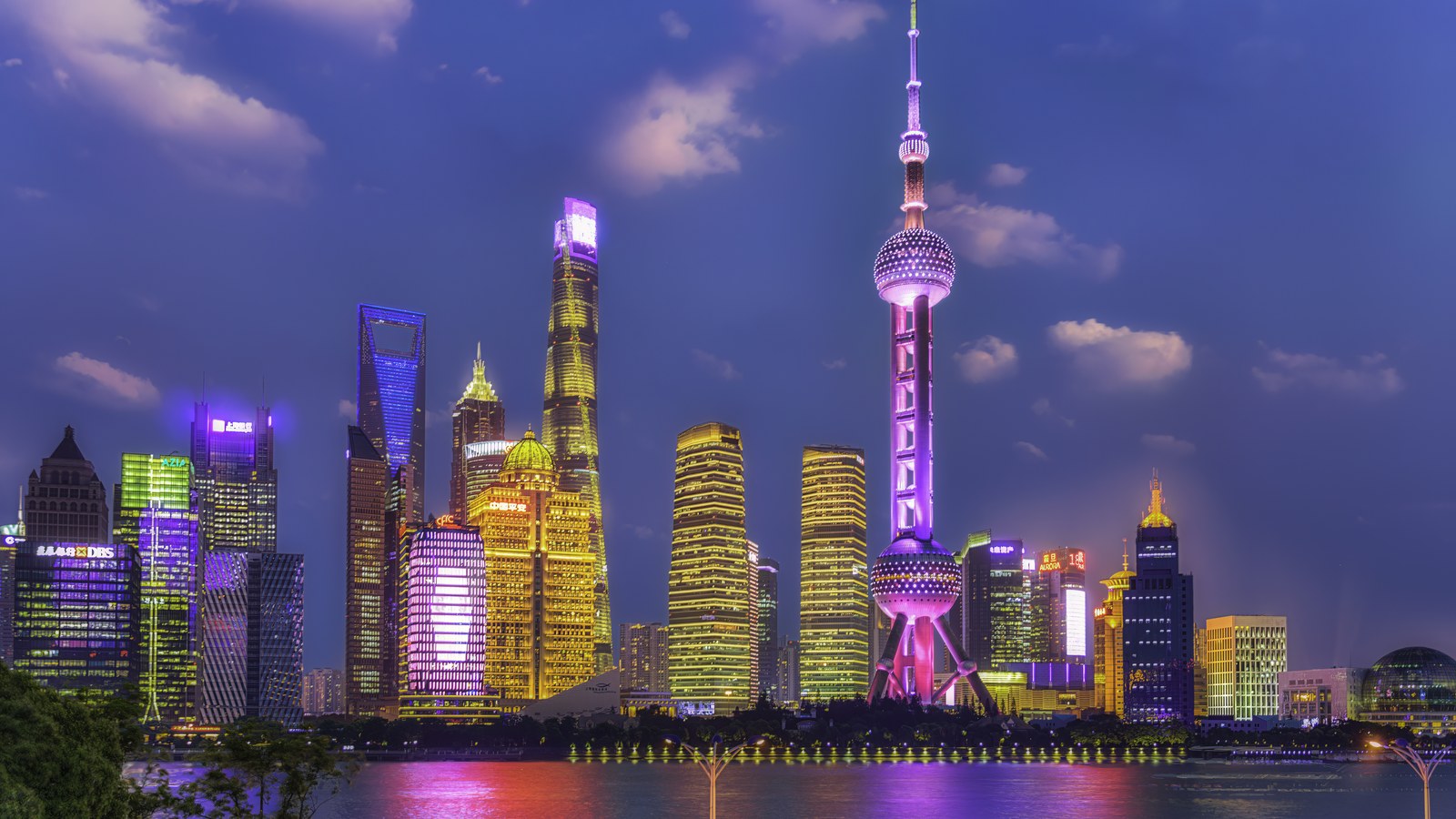
If you only do the Bund and Lujiazui, Shanghai can feel spectacular but thin.
If you only chase nostalgic lane-house romance, you miss the city’s scale and ambition.
The richer version lies in the tension between the two.
Foreign travelers often use Shanghai as a comfort zone, and not without reason. The city is comparatively easy to read:
But the real interest of Shanghai is not that it feels less Chinese.
It is that it shows one very specific Chinese urban tradition: Haipai.
Haipai is a useful local word to learn. In broad terms, it points to Shanghai’s mixed urban character, where outside influence, local pride, commerce, style, and adaptation have been interacting for generations. Not as a museum idea, but as a living habit.
That is why a city block can contain:
Shanghai often looks polished, but what makes it interesting is not polish alone. It is coexistence.
For many high-aesthetic travelers, the real Shanghai begins once they leave the most obvious viewpoint circuit and start using the city at neighborhood scale.
If you want to understand why Shanghai feels so seductive, spend time in the streets often shorthand as “Jufuchang” - Julu Road, Fumin Road, and Changle Road - or around Wukang Road and nearby lanes.
This is where the city’s old cosmopolitan identity feels least theoretical.
The important thing is not just that the buildings are elegant. It is that they are still embedded in daily use. Old residences, boutique retail, cafe culture, small nightlife, trees, bikes, and ordinary errands all share the same urban frame.
That produces something many visitors immediately recognize and yet cannot fully name:
Shanghai feels curated without feeling completely staged.
A traveler does not need to become a full architecture specialist to enjoy this layer, but learning the name Laszlo Hudec can change the way the city reads.
Once you start tracing the architect’s legacy through famous and less famous buildings, Shanghai’s interwar history becomes less abstract. These are not isolated monuments. They are pieces of an urban language that still shapes how the city feels underfoot.
Buildings associated with that era matter not only because they are old, but because many of the surrounding streets have managed to remain socially alive.
That matters more than pure preservation.
Shanghai is one of the rare cities where daytime wandering can feel highly designed and still emotionally easy.
It is tempting to reduce Shanghai’s coffee culture to “China has lots of cafes now.”
That misses how precise and socially important the city’s cafe ecology has become.
Coffee here is often:
Some travelers come away surprised that Shanghai’s coffee scene can feel as serious and granular as scenes in Seoul, Melbourne, or Tokyo. That is especially clear in smaller specialty spots and in cafes experimenting with more localized flavors such as osmanthus, citrus peel, or tea-derived profiles.
If this is your entry point into the city, Best Specialty Coffee in the French Concession for First-Time Visitors and A Shanghai Coffee Walk Through Anfu, Julu, Fumin, and Changle are the most useful practical next reads.
If Beijing teaches through hutong, Shanghai often teaches through longtang.
Longtang usually refers to lane-based residential environments, especially in and around the city’s historic shikumen fabric. For visitors, the temptation is to romanticize them immediately.
Do not do that too fast.
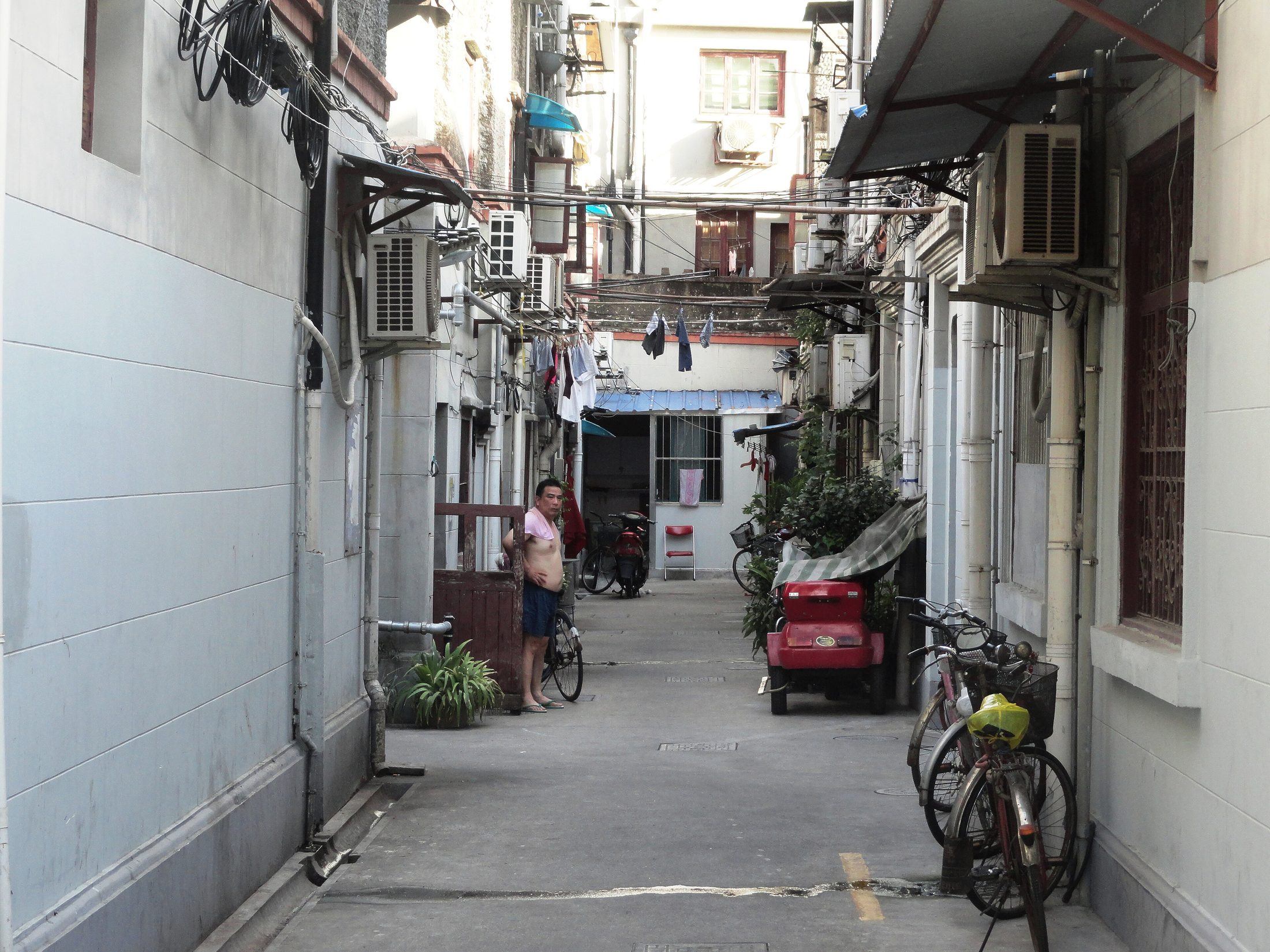
The point is not that every lane is picturesque. The point is that longtang life shows how intimacy survives inside density.
Laundry overhead, small domestic routines, snack lines, scooter movement, old residents, younger creatives, and unexpected elegance can all exist within a few steps of each other. Shanghai’s street-level intelligence is often strongest here.
One of Shanghai’s gifts is visual contradiction.
You may see:
This is the Shanghai visitors remember because it feels almost surreal, yet never artificial.
Shanghai’s nightlife is not only about clubs or rooftop views. It is about how the city handles the evening as a social continuation of daytime life.
In some cities, wine bars and small bistros feel imported.
In Shanghai, they often feel metabolized.
That is a useful distinction.
Even when the format looks European, the urban social logic is now local. These are third places for a city’s professionals, creatives, returnees, and globally aware locals. They are where Shanghai performs one of its oldest talents: taking outside forms and making them part of everyday Haipai life.
Yes, there are hidden bars behind strange facades, and yes, visitors often enjoy the ritual of finding them. But the best way to use this part of Shanghai is not as a scavenger hunt of gimmicks.
Treat one well-chosen speakeasy or small cocktail room as part of a bigger evening rhythm:
If you over-curate it, the city can start feeling theatrical in the wrong way.
Travelers who want a more textured night than another Bund photo session should pay attention to Suzhou Creek and nearby adaptive-reuse zones.
This is where old warehouses, industrial remnants, river movement, architecture, and newer cultural programming combine in a way that often feels more revealing than the postcard skyline circuit.
If you want that practical route, How to Do Suzhou Creek Without Turning It Into Another Long River Walk is the strongest next page.

One of the city’s most interesting stories is how it keeps rewriting its built fabric.
This is where the city starts to reward readers who care about more than landmarks.
Factories, warehouses, older infrastructure, and riverfront edges have not simply been erased. In many cases, they have been translated into creative districts, museums, public walks, and cultural venues.
That is why places around Suzhou Creek, M50, or the West Bund can feel so useful to foreign visitors. They demonstrate that Shanghai’s modernity is not only vertical or financial. It is also curatorial.
In a Western analogy, some visitors may think of the adaptive-reuse energy around the Tate Modern and the South Bank in London. The comparison can help, but Shanghai’s difference is that it often combines art, speculative development, local leisure, and urban reinvention at a faster and more commercially confident speed.
That speed is part of the character.
One reason Shanghai works so well as a first stop is that it can feel forgiving. But the city should not be mistaken for shallow just because it is easy to enter.
If you want to feel the older tempo of Shanghai, begin in the morning.
This is when you notice:
For foreigners, this often becomes one of the most charming parts of the city. Shanghai can be cosmopolitan without losing appetite for tiny daily rituals.
Repair stalls, small tailor operations, old lane services, local food specialists, and neighborhood micro-businesses may not look like “top attractions,” but they are part of what makes Shanghai legible as a real city instead of an urban showroom.
Visitors with patience for these details often come away with a stronger impression than those who spend every hour optimizing for views.
Shanghai’s ease changes not only the city experience, but the radius around it.
For many foreign travelers, one of the most astonishing parts of a China trip is how quickly the urban experience can pivot.
That is why a softer water-town morning or short Jiangnan extension can matter so much. The contrast sharpens the city.
If you want a water-town add-on, the point is not simply to tick off “ancient canal town.” The stronger choice is one that still lets you feel scale, water, texture, and local rhythm without turning the day into pure crowd management.
Places like Zhujiajiao or a quieter Qingpu-side option often work better for travelers who care about atmosphere more than bragging rights.
This is especially true if you go early and treat the visit as a mood shift, not a theme-park detour.
If you want Shanghai to feel sophisticated rather than repetitive, this is a stronger shape:
Use the skyline and waterfront properly:
This is the day for orientation and first impact.
Build around:
This is the day the city becomes personal.
Choose one:
This is the day when Shanghai becomes more than a comfortable landing pad.
Deep writing should still be useful.
Shanghai is one of the easiest Chinese cities for foreigners to use well, but that still depends on preparation. Solve payment and app basics before arrival. The city feels dramatically smoother when you do.
Keep How to Pay in China, What Apps You Need for a China Trip, and How to Use Didi in China close.
In Shanghai, hotel base is not a minor detail. It shapes whether the city feels walkable, elegant, nightlife-friendly, family-sensible, or transport-efficient.
That is why Where to Stay in Shanghai for a First Trip is one of the highest-value pages in the cluster.
Many first-time visitors make Shanghai weaker by repeating the same visual idea:
One or two skyline moments are enough. The city gets better as soon as you diversify the texture.
This deeper Shanghai tends to work especially well for travelers who like:
The real pleasure of Shanghai is not that it feels Western.
It is that it feels fluent.
Fluent in commerce, in adaptation, in image, in appetite, in reinvention, in style, in the social art of taking influences from everywhere and making them local.
That is why Shanghai works so well for deep travelers.
Not because it is simple.
But because it knows how to keep moving without losing its accent.
No. Those places matter, but Shanghai becomes much more rewarding when travelers also spend time in former-concession streets, longtang lanes, food neighborhoods, coffee culture, and Suzhou Creek's creative districts.
Shanghai combines strong transport, clear neighborhood structure, international familiarity, and a soft landing for foreign visitors while still offering a very distinct urban Chinese experience.
Haipai usually refers to Shanghai's blended urban culture, shaped by Chinese roots, global influence, commerce, design, and a long habit of absorbing outside ideas into something recognizably local.
Publication Note
First published 7/10/2026 · Updated 7/10/2026
We revisit city guides when route logic, stay advice, or local assumptions shift enough to change the decision a reader might make.
Back To The City
The city page gathers stays, neighborhoods, pacing, and practical reads in one place.
Planning Support
When the city is clear but the pacing, hotel geography, or onward shape still is not, a fresh read often reveals the real sticking point.
About The Author
Shanghai Features Editor
Sophia Li is a Shanghai-based features editor at China Travel Notes. She leads Shanghai and Suzhou coverage, especially stories where architecture, neighborhood rhythm, food culture, design, and city mood all need to be read together. Her work aims to make East China feel more lived-in and less like a skyline checklist.
Shanghai
A strong first Shanghai trip usually needs the Bund, one lived-in neighborhood day, one old-core or museum contrast, and one food or night block before it needs more skyline.
Shanghai
Usually, the Bund side is the better answer when classic skyline access and shorter central sightseeing days matter most.
Route Shape
East China works best when Shanghai stays the anchor and nearby cities each solve a different problem instead of repeating the same mood.
Arrival And Basics
For most first-time visitors, the strongest China payment setup is not one perfect method but a layered stack: one main wallet, one backup card or second wallet, and some cash.