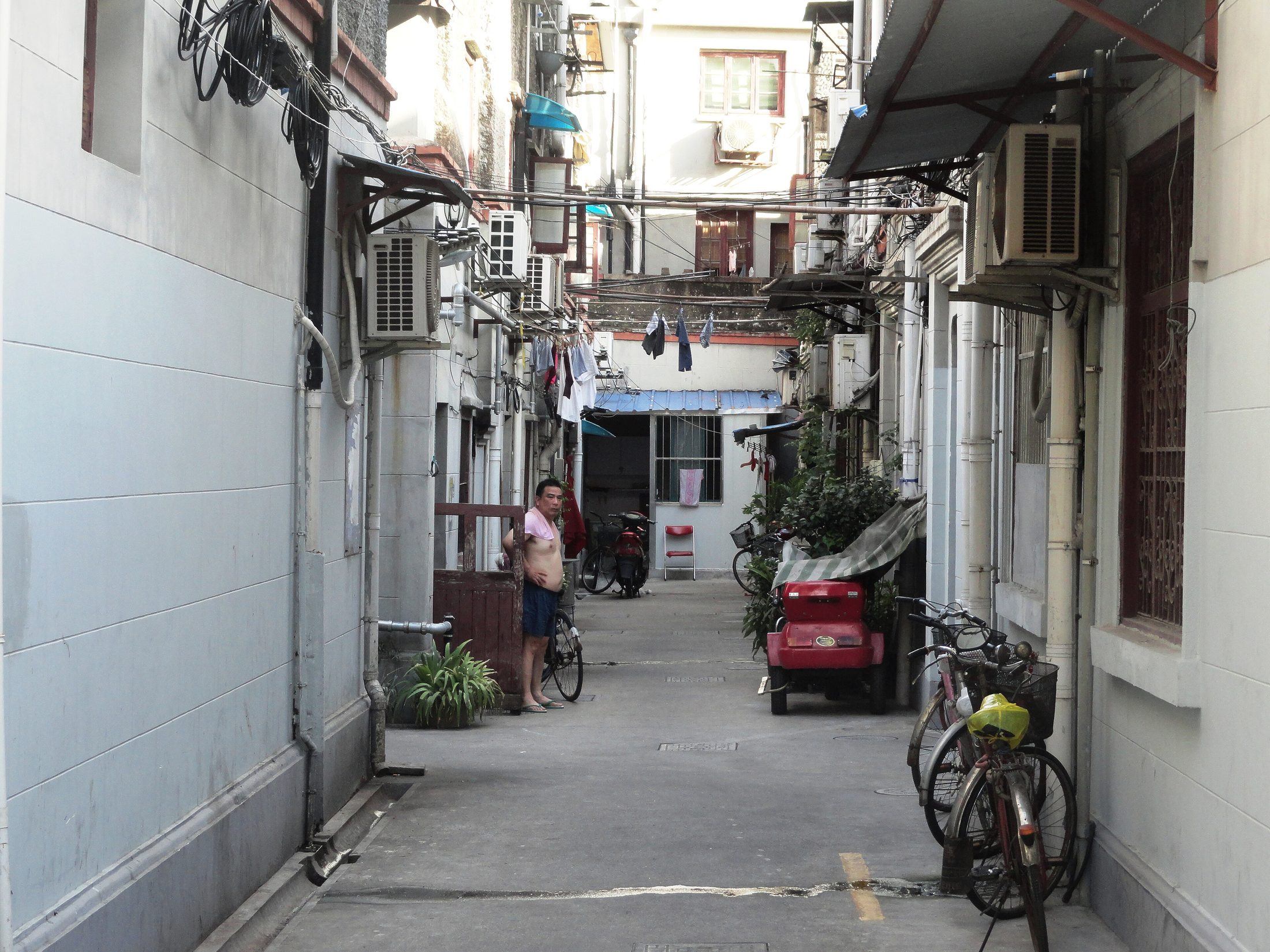
Key Takeaways
- The French Concession matters when you want Shanghai to feel like a city to move through, not only a skyline to photograph.
- This area is strongest as a slower block for walking, cafes, food, and district feel.
- It often adds more value to a short Shanghai stay than one extra low-priority landmark.
The French Concession is one of the clearest examples of why a practical Shanghai trip should not be built only around famous skyline stops.
This district matters because it changes the rhythm of the trip.
Who this is for
Use this page if you are asking:
- do I need time for a slower neighborhood, not just big-name sights?
- is this area worth prioritizing if my trip is short?
- should I stay near here or just visit for a few hours?
What this district feels like
The French Concession matters because it gives Shanghai a different texture:
- tree-lined streets instead of only wide showcase roads
- cafes, bars, and food stops instead of only formal sightseeing
- room for flexible walking instead of checklist pacing
For many visitors, this is where Shanghai starts feeling like a city they can actually enjoy, not just decode.
When do visitors enjoy it most?
This area should probably be a priority when:
- you already know you prefer neighborhoods over pure landmark collection
- the trip is only a few days and every time block has to earn its place
- you want the city to feel stylish, walkable, and less procedural
If your trip is extremely short and heavily landmark-driven, this area may still matter, but it should be used as a high-quality supporting block rather than a huge standalone day.
How much time does it usually take?
The district is strongest when it has enough time to breathe.
That often means:
- a slow half-day block
- a meal window
- some space for unplanned walking rather than pinned map-point chasing
If the plan gives this area only a rushed hour between two distant sights, you probably are not using it in the way that makes it valuable.
If the district already is clearly happening and the only live question is how to turn it into one practical walking route instead of vague wandering, read Shanghai 3-Day Itinerary for First-Time Visitors next. If the route already is clearly day-led rather than attraction-led and the real search is for a more stylish coffee-and-street version of the same area, read A Shanghai Coffee Walk Through Anfu, Julu, Fumin, and Changle next.
If your live question is not whether to visit French Concession but whether to sleep here, compare People’s Square or French Concession: Where to Stay in Shanghai for First-Time Visitors before treating district charm as an automatic hotel answer.
If the district already is clearly winning and the live question is not only dinner and walking but whether the night should tilt toward hidden cocktails, live music, or a broader after-dark branch, the next pages are Shanghai Speakeasy Bars: How to Plan One Hidden-Bar Night Without Making It Silly, What to Do in Shanghai at Night for First-Time Visitors, and What to Do in Shanghai at Night depending on whether the evening should stay cocktail-led, neighborhood-led, or citywide.
If the route already feels full enough and the better question is whether it needs one quieter lived-in pause rather than one more lane, a short Fuxing Park pause is usually the most useful reset nearby.
If the district already is clearly happening and the live question is whether one more design- or photo-led detour belongs around the broader neighborhood day, Alternative Shanghai Photo Stops Beyond the Bund is the cleaner architecture-and-photo branch and Shanghai for First-Time Visitors is the stronger broader route. If the route wants a quieter old lane-house contrast rather than another polished food or shopping block, keep the detour short and let the Laoximen-side lanes play only a supporting role inside the broader neighborhood day.
What kind of time block fits it best?
For many first-time visitors, the French Concession is strongest when it gets one of these:
- a slow half-day
- a lunch-to-evening neighborhood block
- a lighter walking window between heavier skyline or transport-heavy days
It usually feels weak only when it is treated like a mandatory photo checkpoint instead of a district to move through slowly.
In the wider Shanghai cluster, this page usually becomes more useful after the skyline decision is already done. Many readers first settle The Bund and Lujiazui Skyline, then use the French Concession to shape the slower day, and only after that compare Yu Garden or Shanghai Museum for the final flexible layer.
Does it matter for where you stay?
Often yes.
Travelers who want a smoother, more atmospheric Shanghai stay often end up happier when their hotel logic respects the district style they want. That does not mean everyone must stay here, but it does mean the area can help clarify what kind of Shanghai trip you actually want.
If your hotel question already has narrowed to Shanghai’s most common Puxi-side tradeoff, compare it directly on Bund Side or French Concession: Where to Stay in Shanghai for First-Time Visitors.
If the skyline side already is out and the real remaining hotel choice is how this district compares with a more practical central base or a more polished modern base, use Best Area to Stay in Shanghai for First-Time Visitors next.
Common mistakes
- treating the district like a box-checking attraction zone
- giving it no real time because it looks less “essential” on paper
- overbuilding the same day with too many distant landmark commitments
- ignoring how much it can influence hotel-area choice
Before You Go
- Decide whether your trip needs a slower neighborhood block or only headline views.
- Use comfortable walking shoes because this area works best when you are not rushing stop to stop.
- Pair it with nearby districts instead of long same-day transfers.
- If hotel choice is still open, compare this page with your Shanghai base decision.
FAQ
Is the French Concession worth it on a first Shanghai trip?
Yes, especially if you want the city to feel human-scaled, walkable, and food-oriented rather than only famous and fast.