Shangri-La
Shangri-La on a First Trip: When Yunnan Needs a Higher, Quieter Finish
Plan a first trip to Shangri-La with advice on altitude, route fit, stay length, and when the highland finish genuinely improves Yunnan.
Reported city features, practical travel notes, and destination coverage across China.
Shangri-La
Plan a first trip to Shangri-La with advice on altitude, route fit, stay length, and when the highland finish genuinely improves Yunnan.
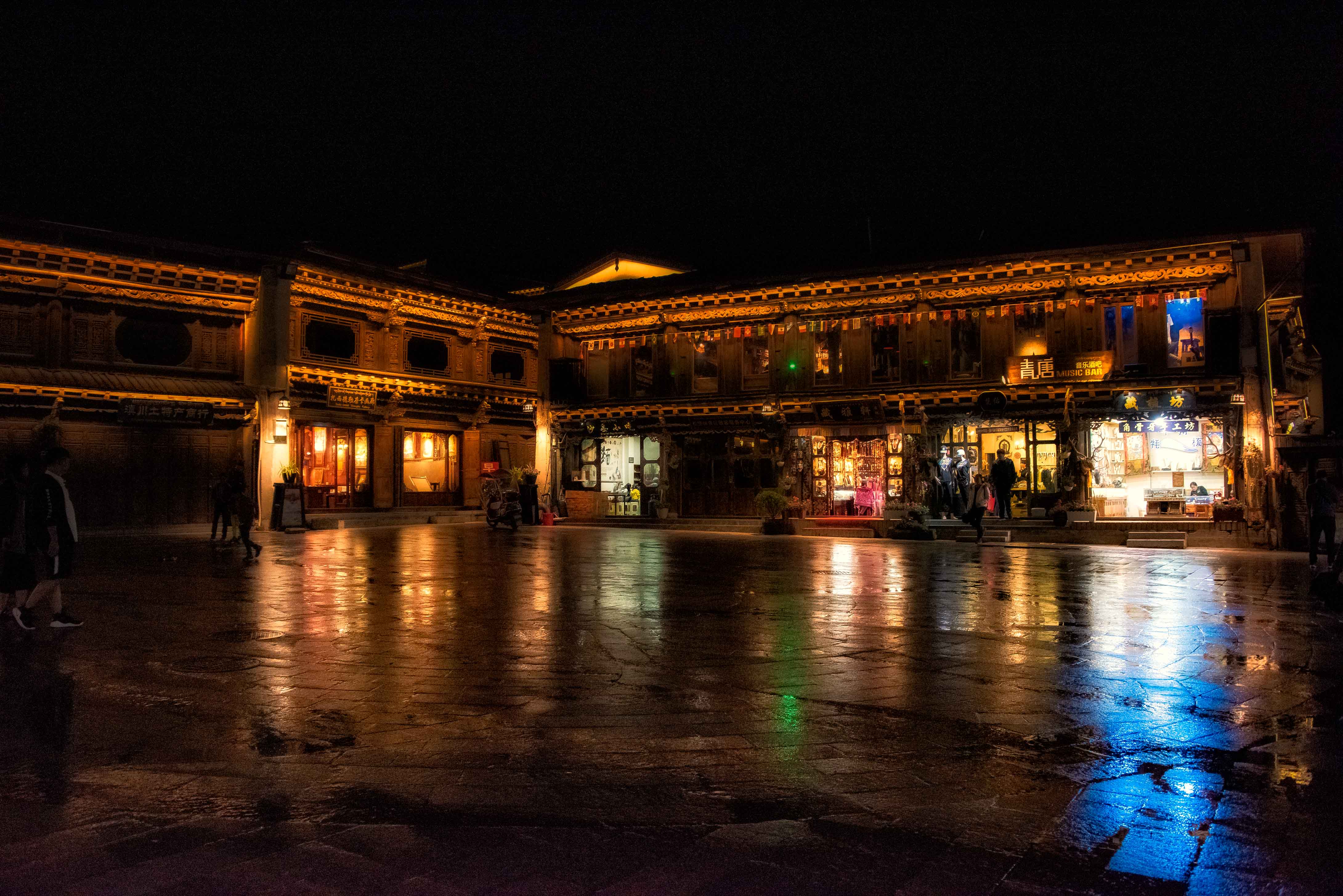
Shangri-La is not a decorative extra at the top of Yunnan. It is the point at which the trip gets thinner, colder, quieter, and more exacting. That is precisely why some travelers fall in love with it and others wonder why they came. The city rewards people who want a plateau mood, not just the prestige of the name.
For a first-time route, that makes Shangri-La a finishing city more often than an opening one. After Lijiang has done the work of welcoming you into the highlands, Shangri-La can change the register: wider sky, slower breathing, monastery light, and a town that asks for patience before it gives much back.
Shangri-La is strongest when the route needs one inward chapter. It offers less immediate ease than Lijiang, but more silence, more altitude, and a stronger feeling of entering a different world rather than a scenic variation on the same one.
That difference is enough to justify the detour for the right traveler. For the wrong traveler, it can feel austere and unnecessarily hard-won.
For most first trips, 2 to 3 days is enough.
2 days works if the schedule respects arrival fatigue and altitude.3 days gives the town room to settle into the body.The city does not need padding. It needs calm.
A good first Shangri-La stay usually needs:
What weakens the stop is treating altitude as a minor inconvenience and stuffing the plan with too many names. Shangri-La is often most persuasive when it is allowed to be sparse.
Leave Shangri-La out if the Yunnan branch is short, if the group mainly wants beauty without bodily friction, or if the idea of the place is doing more work than the actual desire to be there. In those cases Lijiang may be enough, and that is not a failure.
But if the route wants a quieter, higher finish with real atmosphere, Shangri-La can be the chapter people remember longest.
Usually yes when the wider route already has enough gentler beauty and now needs a higher, quieter, more interior chapter. It is weaker when added only because the name feels too famous to cut.
For many first-time visitors, two to three days is enough for one convincing highland stay without turning the Yunnan branch into an altitude-heavy endurance test.
Publication Note
First published 7/16/2026 · Updated 8/3/2026
We revisit city guides when route logic, stay advice, or local assumptions shift enough to change the decision a reader might make.
Back To The City
The city page gathers stays, neighborhoods, pacing, and practical reads in one place.
Planning Support
When the city is clear but the pacing, hotel geography, or onward shape still is not, a fresh read often reveals the real sticking point.
About The Team
Shangri-La City Desk
The Shangri-La Editorial Desk maintains guides and planning coverage related to Shangri-La. Its focus is helping readers judge when the higher plateau genuinely belongs in their Yunnan route, how altitude and slower mornings change the stay, and how Dukezong, Songzanlin, and the wider Diqing highland mood create a different register from Lijiang's easier beauty.
Shangri-La
The strongest deeper Shangri-La stay usually balances one careful arrival, one town-or-monastery day, and enough empty air around both for altitude and atmosphere to shape the memory properly.
Transport And Timing
12306 is the official China Railway booking channel, but it works best once your route and station choices are already clear.
Route Shape
The strongest 10-day China bullet train route for first-time visitors usually keeps to three main stops, not four major cities fighting for the same trip.