Priority 1
Be honest about whether the altitude is part of the dream
Shangri-La works best when travelers actually want the highland finish and are not only attracted to the name.
Reported city features, practical travel notes, and destination coverage across China.
Destination Hub
Shangri-La suits travelers who want Yunnan to climb out of beauty and into atmosphere, especially when the real goal is highland stillness, Tibetan cultural texture, and a colder, thinner, quieter finish than Lijiang can provide.
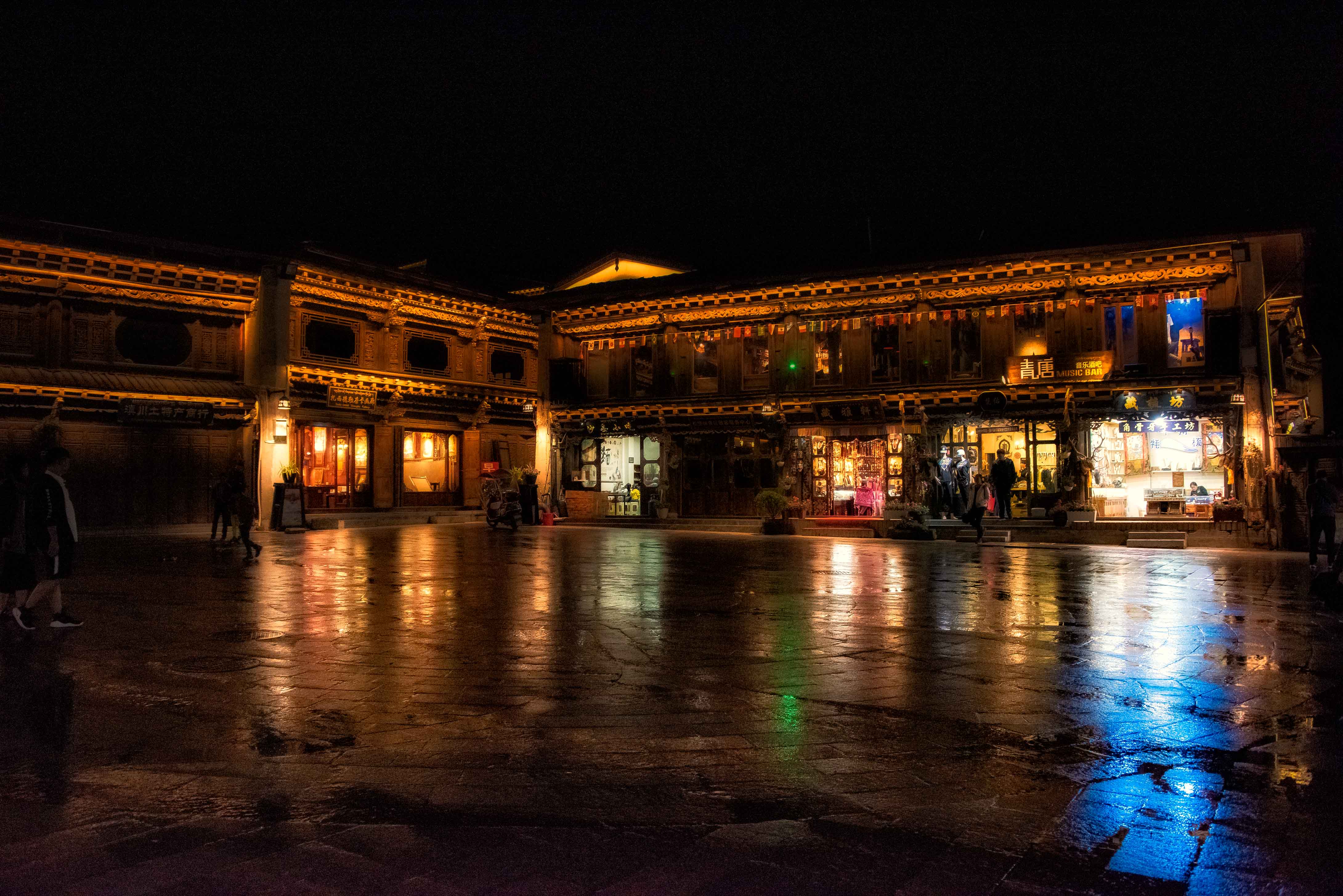
Shangri-La is usually strongest for travelers who want higher-altitude Yunnan branches, Tibetan cultural texture, and travelers who want the route to end in a quieter key. Most first-time visits work best when the city is given 2 to 3 days, because that is normally enough space to protect the main payoff without making the route feel padded.
Best when the stay stays deliberate: one slower arrival, one real town-or-monastery day, and enough oxygen, sunlight, and stillness for the plateau to arrive properly. For many readers, the real planning question is not just whether to go, but what role the stop should play in the wider route. If you are still deciding that part, start with Shangri-La, Prayer Smoke and Thin Light: Where Yunnan Learns to Go Quiet and Tiger Leaping Gorge Hiking for First-Time Visitors: What Is Actually Realistic? .
Shangri-La also becomes easier once you decide early whether it should pair with Lijiang, Tiger Leaping Gorge, and Chengdu or carry more weight on its own. That is usually the point where hotel area, transfer timing, and one or two anchor places start mattering more than the raw attraction count. A good next move is Shangri-La on a First Trip: When Yunnan Needs a Higher, Quieter Finish .
Priority 1
Shangri-La works best when travelers actually want the highland finish and are not only attracted to the name.
Priority 2
A rushed arrival weakens the whole stay. The town usually persuades through air, light, and tempo, not through immediate overachievement.
Priority 3
Songzanlin, Dukezong, and the wider plateau can become thinner rather than richer if the stay keeps trying to prove too much.
If Shangri-La is already on the short list, begin with these pieces before you narrow hotel areas, day order, or advance bookings.
Shangri-La
The strongest deeper Shangri-La stay usually balances one careful arrival, one town-or-monastery day, and enough empty air around both for altitude and atmosphere to shape the memory properly.
Shangri-La
Shangri-La is usually strongest when Yunnan needs a higher and calmer final chapter rather than one more scenic name squeezed into the route.
Once the stop is real, these are the pieces that usually steady it: where to stay, how to arrive, how to move around, what to book early, and how to recover a day that drifts off plan.
Shangri-La
Shangri-La is usually strongest when Yunnan needs a higher and calmer final chapter rather than one more scenic name squeezed into the route.
Step 1
These pieces help you judge pace, trip length, and whether Shangri-La belongs as a major stop or a lighter addition.
Step 2
This shelf turns to neighborhood fit, stay length, and the rhythm that makes the stop feel lived-in rather than rushed.
Step 3
The practical layer usually enters here: payments, rail timing, and booking assumptions that decide what the route can actually hold.
One of the clearest ways to let a Yunnan route rise from scenic pleasure into a more austere and memorable highland mood.
Strongest when travelers understand Shangri-La as a destination of sky, dryness, prayer flags, monastery scale, and slower breathing rather than as just another old town.
Usually works best when the route has enough room to respect altitude and let the town finish the branch instead of merely surviving as a checkbox.
Shangri-La works best once the Yunnan branch is honest about altitude, because train and road choices matter less than whether the arrival leaves the town enough energy to feel like a destination rather than a test.
For the early stage when the city, region, or route still needs to earn its place.
Shangri-La
The strongest deeper Shangri-La stay usually balances one careful arrival, one town-or-monastery day, and enough empty air around both for altitude and atmosphere to shape the memory properly.
For the moment when a city is chosen and now has to become nights, neighborhoods, and a believable stay length.
Shangri-La
Shangri-La is usually strongest when Yunnan needs a higher and calmer final chapter rather than one more scenic name squeezed into the route.
These nearby or complementary stops can turn Shangri-La into a more balanced wider route.
These topic reads cover the practical layer that often decides whether the city feels easy, expensive, rushed, or surprisingly calm.
Start here when the city is still being weighed against the rest of the route.
Route Shape
For many first-time visitors, the best Tiger Leaping Gorge answer is not the biggest hiking version, but the one that still leaves the wider Yunnan route intact.
Route Shape
The strongest first trips solve route, payment, and transport assumptions before filling the calendar.
Come here once trains, flights, transfers, and intercity timing begin to set the route.
Transport And Timing
High-speed rail is often the easiest way to connect major China cities, but stations are larger and more time-sensitive than many visitors expect.
Transport And Timing
The best choice depends on the full travel day, not just the scheduled travel time.
Planning Support
If the city belongs in the trip but its length, neighborhood, or onward pairing still feels unresolved, send over the sticking point.