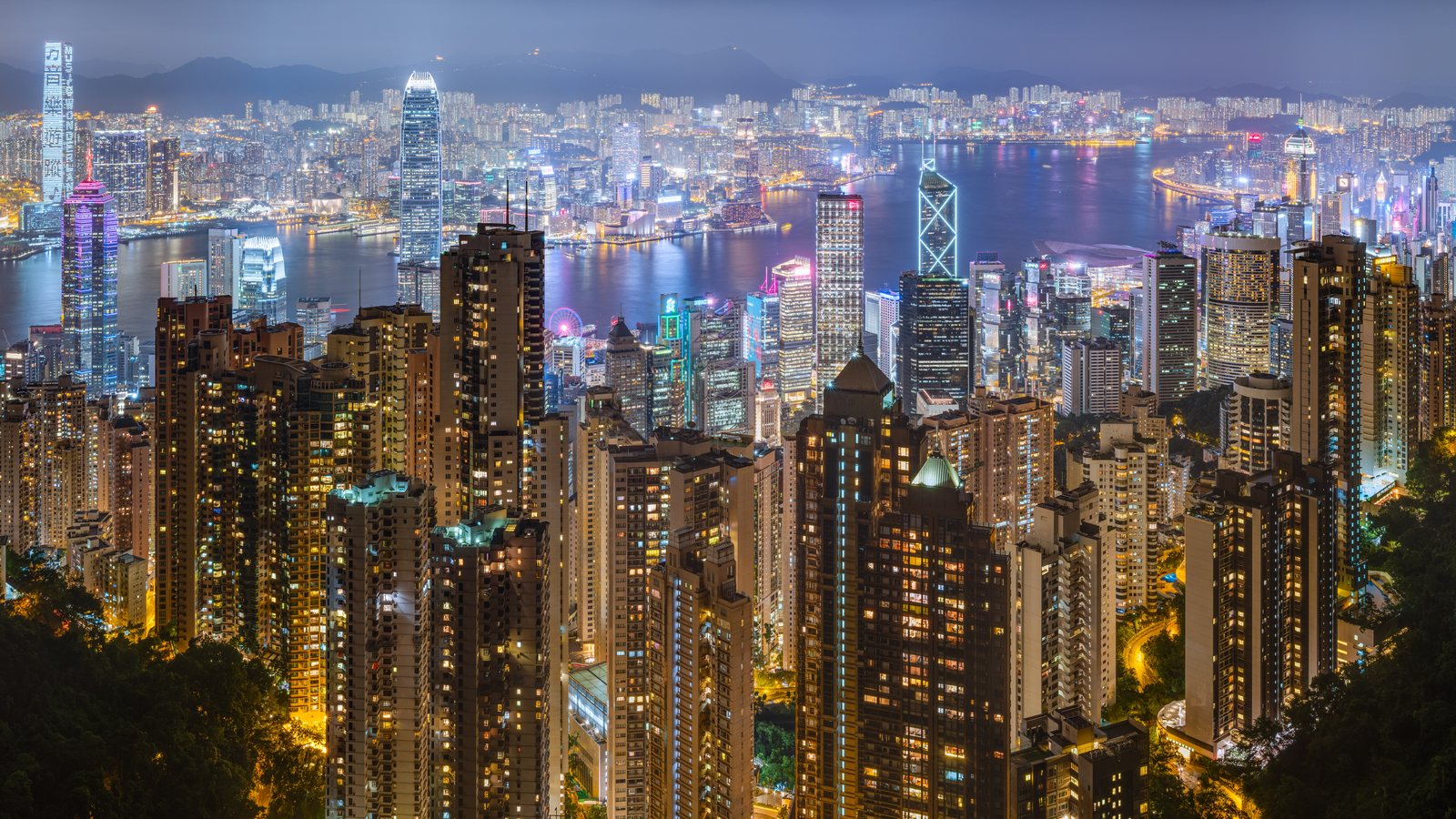
Key Takeaways
- For many first-time visitors, the safest Hong Kong hotel base is a central MTR-friendly area in Tsim Sha Tsui, Central, or Sheung Wan because it keeps harbor views, neighborhood time, and day-to-day movement easy.
- Tsim Sha Tsui is often the strongest classic first-time base if skyline views, ferries, and postcard Hong Kong matter most.
- Central and Sheung Wan are often better when neighborhood walking, food, and a more Hong Kong Island rhythm matter more than staying closest to the usual visitor-facing skyline shots.
- Wan Chai and Causeway Bay can be strong style-led choices for shopping, later evenings, and easier island-side movement, but they are usually preference choices rather than the safest default.
In Hong Kong, the hotel is less a place to sleep than a stance you take toward the city.
Sleep in the wrong district and the trip becomes an argument with ferries, MTR changes, and tired cross-harbour decisions. Sleep in the right one and Hong Kong suddenly feels compact, vivid, and almost unnaturally efficient for a place built on hills, water, and vertical impatience.
What usually works best
For most first-time visitors, the choice is clearer than it first appears:
- stay in Tsim Sha Tsui if you want the classic harbourfront version of Hong Kong
- stay in Central or Sheung Wan if you want the city to feel more lived-in and island-led
- stay in Wan Chai or Causeway Bay only if you already know shopping, later nights, or island energy matter a lot
The safest base is usually not the cheapest or the grandest. It is the one that keeps the city’s rhythm on your side.
1. Tsim Sha Tsui is the cleanest classic answer
If you want one base that immediately feels like Hong Kong, this is usually it.
The harbour is close, the skyline is built into the stay, ferries make emotional sense instead of logistical sense, and the first-time version of the city becomes legible very quickly. Tsim Sha Tsui is not subtle, but then neither is Hong Kong at first encounter.
Choose it when:
- it is your first trip
- the skyline and harbour are still central to the fantasy
- you want the most obvious answer and are happy that it is obvious
This is often the best base for short stays because it gives the city to you quickly.
2. Central and Sheung Wan are for travelers who want a city, not only a view
Some people do not need to sleep inside the postcard. They need the city to feel inhabited.
That is what Central and Sheung Wan do well. The days become less about reaching Hong Kong and more about already being in it: steeper streets, cafes, better neighborhood wandering, easier food logic, and a more continuous island-side rhythm. If Tsim Sha Tsui offers the city’s face, this part of the island offers its voice.
Choose these districts when:
- neighborhood walking matters almost as much as sightseeing
- you want food and street rhythm to shape the trip
- you are happy to approach the skyline deliberately rather than sleeping under it
For many adults on a first trip, this is the base that ages best over several days.
3. Wan Chai and Causeway Bay are preference choices, not default wisdom
These districts can be very good. They are just rarely the first answer.
Wan Chai gives you a broader urban evening life. Causeway Bay gives you more shopping and bright late-city momentum. Both work best when the hotel choice is being shaped by real habits: later nights, island-heavy plans, retail energy, or a desire for a busier and more modern register than Central alone.
Choose them when:
- later evenings genuinely matter
- shopping is part of the pleasure, not an accidental by-product
- you want the island side to feel more restless and brightly urban
They are weaker when you are only choosing them because one hotel listing looked good. In Hong Kong, attractive hotel listings can seduce people into solving the wrong problem.
Kowloon or the island: how to decide quickly
If you want the shortest version:
- choose Kowloon, especially Tsim Sha Tsui, if you want Hong Kong to feel iconic immediately
- choose the island, especially Central or Sheung Wan, if you want stronger neighborhood texture and a better day-to-night rhythm
- choose Wan Chai or Causeway Bay only if you already know that island-side momentum is part of the trip’s appeal
The question is not which side is objectively better. It is which side matches the version of Hong Kong you came to meet.
Do not let one harbour view decide the whole stay
Many first-time visitors overpay for a skyline promise they only truly use twice.
That can still be worth it, but it should be a conscious indulgence, not an accidental strategy. Very often one deliberate skyline night does more for the trip than four nights spent in a less useful base because the listing photo was persuasive.
Match the base to the stay
If Hong Kong is only two or three nights
Tsim Sha Tsui is often the safest answer. It introduces the city fast and keeps the classic experiences close at hand.
If Hong Kong is three or four nights and food matters
Central or Sheung Wan becomes more attractive. The city starts rewarding a base with more everyday texture.
If the stay is island-heavy and later-night leaning
Wan Chai and Causeway Bay become easier to justify.
If you keep drifting toward outer areas for a bigger room
Remember that Hong Kong punishes weak bases more than many cities do. Space is not free if it costs you the city.
Read next
FAQ
What is the best area to stay in Hong Kong for first-time visitors?
For many first-time visitors, the best area to stay in Hong Kong is a central MTR-friendly base in Tsim Sha Tsui, Central, or Sheung Wan because those areas keep skyline access, neighborhood walking, and daily transport straightforward.
Is it better to stay in Kowloon or on Hong Kong Island?
For many first-time visitors, Kowloon is better if skyline views and classic harbor access matter most, while Hong Kong Island is better if you want a stronger neighborhood-and-food rhythm and easier access to Central, Sheung Wan, Wan Chai, and Causeway Bay.