Key Takeaways
- Hong Kong is one of the strongest short urban stops in a South China route because transit, neighborhood variety, and skyline payoff all work well on a compact stay.
- The city is usually strongest for 2 to 4 days, especially when hotel location and district rhythm are planned early.
- Hong Kong works especially well when paired with Shenzhen or Macau, while Guangzhou adds more route depth and food contrast.
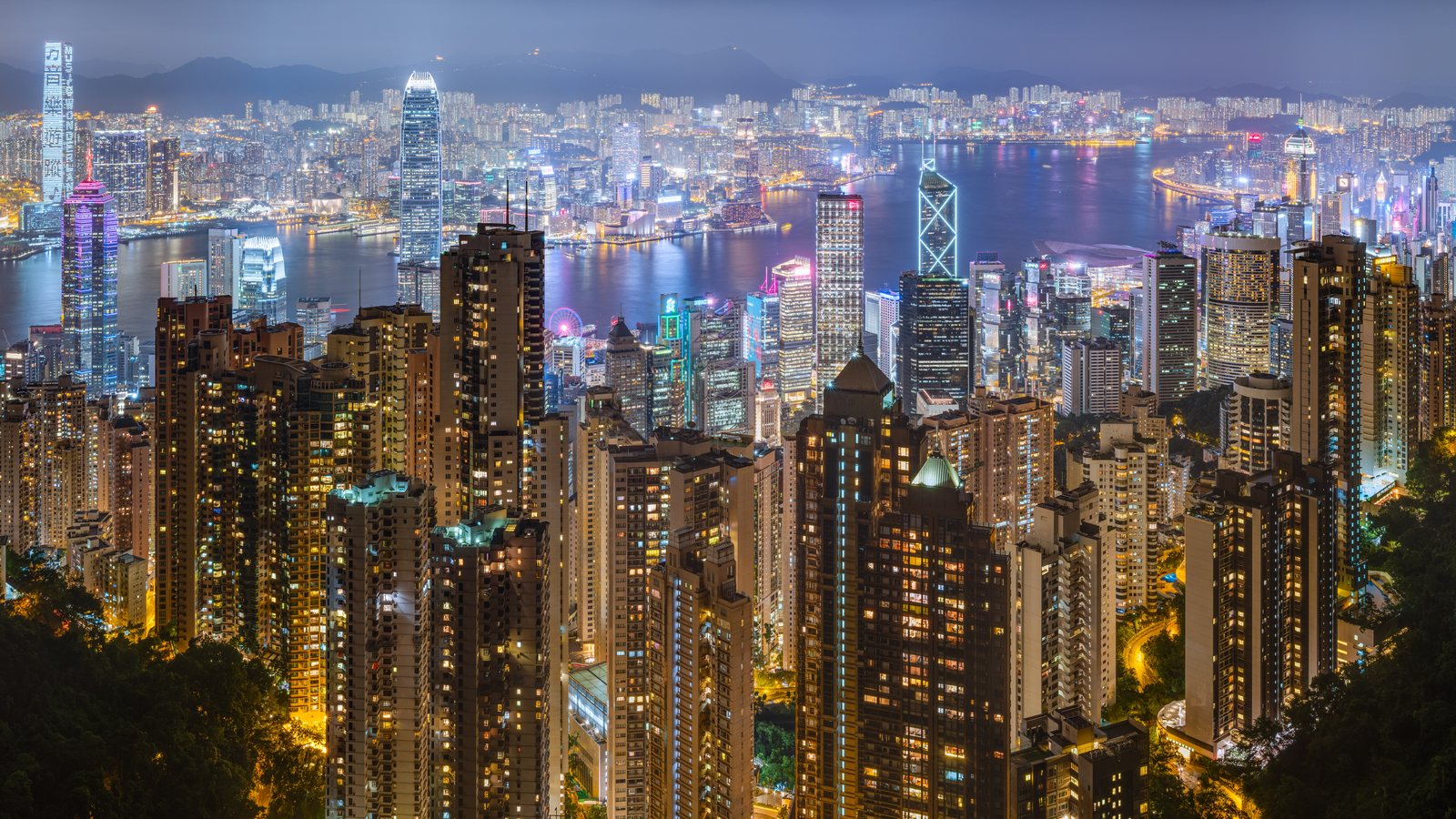
Hong Kong does not require patience in the way many great cities do. Its seduction is immediate: harbour light, vertical density, escalators and ferries, a lunch culture that can turn a block into an afternoon. For first-time visitors that speed is part of the appeal. Hong Kong gives back quickly.
That does not mean it should be treated like an airport-city bonus level. The city has to be assigned a role. Is it the main South China anchor, or the sharp, efficient chapter that frames Shenzhen, Macau, or Guangzhou?
Why Hong Kong still matters so much
Hong Kong remains one of the best short urban stays in Asia because it understands compression. In two to four days you can feel genuine neighborhood contrast, eat very well, move easily, and still come away with a strong sense of place.
It is especially persuasive for travelers who value city texture over monument count. The pleasure here is not in seeing one monumental thing after another. It is in how quickly the city changes register: finance to market, tram to ferry, dim sum room to hillside path.
How many days it deserves
Two full days gives you a first outline. Three is better, because it allows one day to be more about district rhythm than about headline sights. Four is where pairings, side branches, or a fuller Hong Kong Island versus Kowloon balance start to feel easy rather than compressed.
The mistake is not staying too briefly. The mistake is staying briefly and still trying to do everything. Hong Kong is a compact city, but it is not a checklist machine. It improves when each day has one clear center of gravity.
How to think about the city before you book it
The key decision comes early: Hong Kong as anchor or Hong Kong as add-on.
As an anchor, it wants the better hotel location, more deliberate neighborhood time, and at least one night built around the harbour rather than around onward logistics. As an add-on, it still needs care, but the edit becomes sharper. You protect the skyline, one district-led day, and one smart handoff to the next stop.
This is why pairing matters so much here. Shenzhen is the cleanest mainland-modern extension. Macau is the easiest short contrast. Guangzhou gives the route more depth and appetite. Hong Kong can work with all three, but not all three at once unless the trip is much longer than most first visits.
What first-time visitors most often get wrong
They treat every district as equal homework, choose a hotel without deciding which side of the harbour they actually want to inhabit, or add Macau and Shenzhen simply because the map permits it. Hong Kong rewards selectivity. The city is dense enough that even small decisions echo through the whole stay.
Protect one skyline block, one neighborhood day, and one evening where the mood matters more than the number of stops. That is usually enough for Hong Kong to feel complete.
Read next
FAQ
Is Hong Kong worth visiting for first-time travelers?
Yes. Hong Kong is one of the easiest and most rewarding short city stops because skyline views, neighborhoods, food, and transit all work well in a compact trip.
How many days do you need for Hong Kong?
Many first-time visitors do best with 2 to 4 days. That is usually enough for a skyline layer, a couple of neighborhood blocks, and one or two easier side decisions without turning the stay into a rush.