Priority 1
Decide whether Hong Kong is the gateway or the add-on
That choice shapes hotel logic, stay length, and whether the city should carry the emotional opening of the trip or act as a smooth regional extension.
Reported city features, practical travel notes, and destination coverage across China.
Destination Hub
Hong Kong fits travelers who want a dense, highly legible city break with skyline views, food neighborhoods, easy transit, and a smooth pairing with Shenzhen, Guangzhou, or a broader South China route.
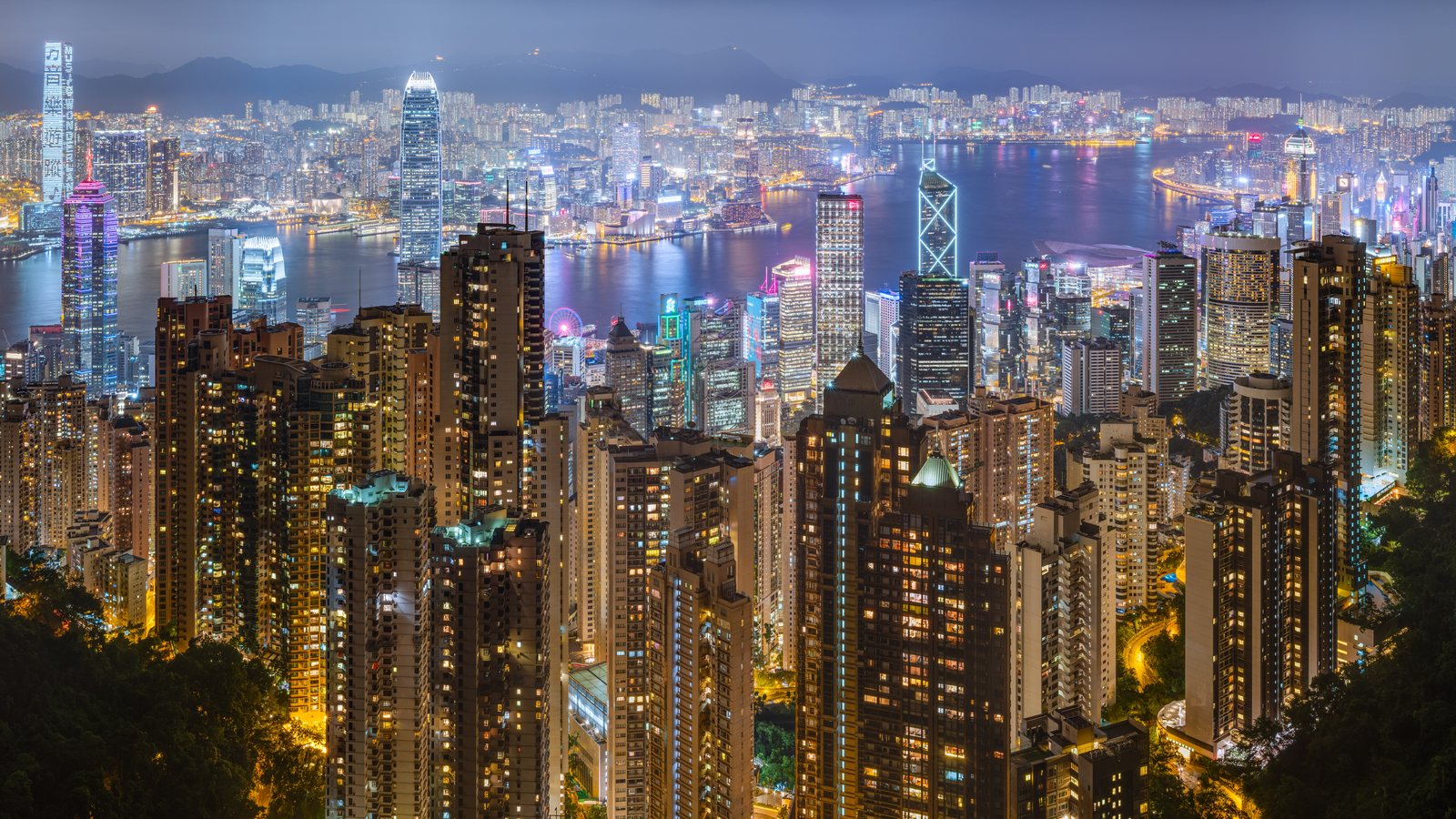
Hong Kong is usually strongest for travelers who want South China gateways, skyline and neighborhood trips, and Hong Kong and mainland pairings. Most first-time visits work best when the city is given 2 to 4 days, because that is normally enough space to protect the main payoff without making the route feel padded.
Best as a dense urban stop where hotel location, neighborhood rhythm, and regional connections matter more than chasing every famous sight. For many readers, the real planning question is not just whether to go, but what role the stop should play in the wider route. If you are still deciding that part, start with Hong Kong, Harbour, Hills, and the Restless Edge: Where Density Becomes Culture and How to Plan a South China Route with Hong Kong, Macau, and One Mainland Stop .
Hong Kong also becomes easier once you decide early whether it should pair with Shenzhen, Macau, and Guangzhou or carry more weight on its own. That is usually the point where hotel area, transfer timing, and one or two anchor places start mattering more than the raw attraction count. A good next move is Best Area to Stay in Hong Kong for First-Time Visitors plus Hong Kong Airport to City Center for First-Time Visitors: Airport Express, Bus, or Taxi? so the practical side stays realistic alongside Can You Re-Enter China Visa-Free After Visiting Hong Kong? .
Once one specific sight or district starts shaping the day, move from general planning into place pages. Most first-time visitors begin with Victoria Harbour at Night: Choosing the Hong Kong Skyline Plan That Fits and Victoria Peak in Hong Kong: Is It Worth It for First-Time Visitors? before they lock the day order.
Priority 1
That choice shapes hotel logic, stay length, and whether the city should carry the emotional opening of the trip or act as a smooth regional extension.
Priority 2
Hong Kong usually feels strongest when readers think in terms of base area, evening rhythm, and transit fit instead of a long list of disconnected stops.
Priority 3
If Shenzhen, Macau, or Guangzhou are part of the same route, the order matters more than many first-time visitors expect.
If Hong Kong is already on the short list, begin with these pieces before you narrow hotel areas, day order, or advance bookings.
Hong Kong
The strongest deeper Hong Kong trip usually balances one classic harbour layer, one Hong Kong Island district day, and one rougher food-or-market branch rather than repeating only viewpoints and malls.
Hong Kong
Hong Kong is one of the strongest short urban stops in a South China route because transit, neighborhood variety, and skyline payoff all work well on a compact stay.
Hong Kong
A strong first Hong Kong trip usually needs one harbour day, one elevated skyline answer, and one real neighborhood day before it needs more detours.
Hong Kong
For many first-time visitors, 3 days is the Hong Kong sweet spot because it leaves room for one skyline layer, one neighborhood-led day, and one evening or cultural block without making the stay feel rushed.
Hong Kong
For many first-time visitors, the safest Hong Kong hotel base is a central MTR-friendly area in Tsim Sha Tsui, Central, or Sheung Wan because it keeps harbor views, neighborhood time, and day-to-day movement easy.
Hong Kong
For many first-time visitors, Airport Express is the fastest airport-to-city answer when the hotel connects cleanly from Hong Kong or Kowloon station and the final leg stays simple.
Once the stop is real, these are the pieces that usually steady it: where to stay, how to arrive, how to move around, what to book early, and how to recover a day that drifts off plan.
Hong Kong
For many first-time visitors, the safest Hong Kong hotel base is a central MTR-friendly area in Tsim Sha Tsui, Central, or Sheung Wan because it keeps harbor views, neighborhood time, and day-to-day movement easy.
Hong Kong
For many first-time visitors, Airport Express is the fastest airport-to-city answer when the hotel connects cleanly from Hong Kong or Kowloon station and the final leg stays simple.
Hong Kong
Usually, the most important Hong Kong advance items are the hotel base during exact dates, any fixed airport or onward rail link, and only those attraction tickets that are truly carrying one of the trip's best blocks.
Hong Kong
For many first-time visitors, 3 days is the Hong Kong sweet spot because it leaves room for one skyline layer, one neighborhood-led day, and one evening or cultural block without making the stay feel rushed.
Step 1
These pieces help you judge pace, trip length, and whether Hong Kong belongs as a major stop or a lighter addition.
Step 2
This shelf turns to neighborhood fit, stay length, and the rhythm that makes the stop feel lived-in rather than rushed.
Step 3
These place reads become useful once one museum, district, park, or landmark begins to organize the day.
Step 4
The practical layer usually enters here: payments, rail timing, and booking assumptions that decide what the route can actually hold.
A very strong urban stop for travelers who want skyline, food, neighborhoods, and easy movement without needing a giant city stay.
Pairs naturally with Shenzhen and Guangzhou because the route can move between different urban styles without losing transport efficiency.
Best appreciated when the trip balances harbor views and big-city energy with realistic neighborhood pacing.
Hong Kong works best inside this site as a regional pairing city, especially when the route into Shenzhen, Macau, or Guangzhou is shaped before the rest of the itinerary becomes too rigid.
For the early stage when the city, region, or route still needs to earn its place.
Hong Kong
The strongest deeper Hong Kong trip usually balances one classic harbour layer, one Hong Kong Island district day, and one rougher food-or-market branch rather than repeating only viewpoints and malls.
Hong Kong
Hong Kong is one of the strongest short urban stops in a South China route because transit, neighborhood variety, and skyline payoff all work well on a compact stay.
For the moment when a city is chosen and now has to become nights, neighborhoods, and a believable stay length.
Hong Kong
For many first-time visitors, 3 days is the Hong Kong sweet spot because it leaves room for one skyline layer, one neighborhood-led day, and one evening or cultural block without making the stay feel rushed.
Hong Kong
For many first-time visitors, the safest Hong Kong hotel base is a central MTR-friendly area in Tsim Sha Tsui, Central, or Sheung Wan because it keeps harbor views, neighborhood time, and day-to-day movement easy.
For the stage when inspiration is no longer enough and the days need a real sequence.
Hong Kong
A strong first Hong Kong trip usually needs one harbour day, one elevated skyline answer, and one real neighborhood day before it needs more detours.
Hong Kong
Three days is enough for a strong first Hong Kong trip if the route stays district-based instead of trying to fit every island, market, and attraction into one stay.
Hong Kong
A strong first Hong Kong food plan usually needs one dim sum meal, one cha chaan teng breakfast, one roast-meat meal, and one looser snack or dai pai dong evening.
Hong Kong
The best Hong Kong evening plan usually follows the day you already had instead of acting like a separate sightseeing mission.
For the practical questions that start deciding what the trip can realistically be.
Hong Kong
For many first-time visitors, Airport Express is the fastest airport-to-city answer when the hotel connects cleanly from Hong Kong or Kowloon station and the final leg stays simple.
Hong Kong
Usually, the most important Hong Kong advance items are the hotel base during exact dates, any fixed airport or onward rail link, and only those attraction tickets that are truly carrying one of the trip's best blocks.
These place pages cover the landmarks, neighborhoods, museums, and busy districts that most often end up deciding timing, route logic, or where a day naturally begins and ends.
Most first-time visitors start by comparing Victoria Harbour at Night: Choosing the Hong Kong Skyline Plan That Fits , Victoria Peak in Hong Kong: Is It Worth It for First-Time Visitors? , Tsim Sha Tsui in Hong Kong: Is It Worth It for First-Time Visitors? and Avenue of Stars in Hong Kong: Is It Worth It for First-Time Visitors? before they lock the day order.
Hong Kong
Victoria Harbour is one of the clearest first-time Hong Kong essentials, but most visitors need one excellent harbour block, not three repetitive ones.
Hong Kong
For many first-time visitors, Victoria Peak is worth it because it gives Hong Kong one of its clearest panoramic skyline payoffs, but it works best when the weather and timing are good.
Hong Kong
For many first-time visitors, Tsim Sha Tsui is worth it because it is still the safest all-around district for classic harbour payoff, ferry logic, and a fast first Hong Kong impression.
Hong Kong
For many first-time visitors, Avenue of Stars is worth it because it gives the easiest classic Victoria Harbour skyline payoff without needing heavy planning.
Hong Kong
For many first-time visitors, the Star Ferry is worth it as one short harbour crossing or skyline-led transition, not as a major stand-alone attraction.
Hong Kong
For many first-time visitors, Temple Street Night Market is worth it as one casual food-and-market evening, not as a grand stand-alone attraction.
Hong Kong
For many first-time visitors, Sham Shui Po is worth it as a more grounded Kowloon neighborhood branch after the classic skyline layer already is secure.
Hong Kong
For many first-time visitors, Mong Kok is worth it as a denser Kowloon district for market streets, shopping, and high-energy street life after the classic skyline layer already is secure.
Hong Kong
For many first-time visitors, Central is worth it because it gives Hong Kong one of its strongest neighborhood-and-rhythm answers after the classic harbour layer is already secure.
Hong Kong
For many first-time visitors, Sheung Wan is worth it as a calmer, more textured Hong Kong Island extension after the classic harbour layer already is secure.
These nearby or complementary stops can turn Hong Kong into a more balanced wider route.
Hong Kong pairings
For many first-time visitors, Shenzhen works best when its role is clear early: either a short city break, a Hong Kong pairing, or a practical transport-smart stop.
short South China add-ons
The city usually works best when the route protects one short well-shaped stop rather than stretching the stay without a reason.
Cantonese food travelers
The city can work either as a standalone food-focused destination or as a practical anchor in a broader southern route.
These topic reads cover the practical layer that often decides whether the city feels easy, expensive, rushed, or surprisingly calm.
Start here when the city is still being weighed against the rest of the route.
Route Shape
South China works best when Hong Kong stays the main urban anchor, Macau stays the compact contrast stop, and only one mainland partner is added.
Route Shape
The strongest China night-market experiences are usually not giant must-see attractions, but one well-placed food-and-browsing evening that fits the city and the day you already had.
These reads cover the quiet practical layer: entry, internet, payment, and the first move into town.
Arrival And Basics
If your passport qualifies for China's current ordinary visa-free entry policy, current official FAQ wording says multiple entries are allowed, so a Hong Kong side trip and later mainland re-entry can work.
Arrival And Basics
If your passport qualifies for China's current ordinary visa-free entry policy, current official FAQ wording says multiple entries are allowed, so a Macau side trip and later mainland re-entry can work.
Come here once trains, flights, transfers, and intercity timing begin to set the route.
Transport And Timing
For many first-time visitors, Hong Kong to Guangzhou by high-speed rail is the cleanest first mainland add-on when the trip wants a real city chapter with food depth rather than only a border test.
Transport And Timing
High-speed rail is often the easiest way to connect major China cities, but stations are larger and more time-sensitive than many visitors expect.
Planning Support
If the city belongs in the trip but its length, neighborhood, or onward pairing still feels unresolved, send over the sticking point.