Place Guide
National Museum of China: Is It Worth Visiting for First-Time Visitors?
Decide whether the National Museum of China is worth your time, who gets the most from it, and how to keep the visit from overwhelming a Beijing day.
Reported city features, practical travel notes, and destination coverage across China.
Place Guide
Decide whether the National Museum of China is worth your time, who gets the most from it, and how to keep the visit from overwhelming a Beijing day.
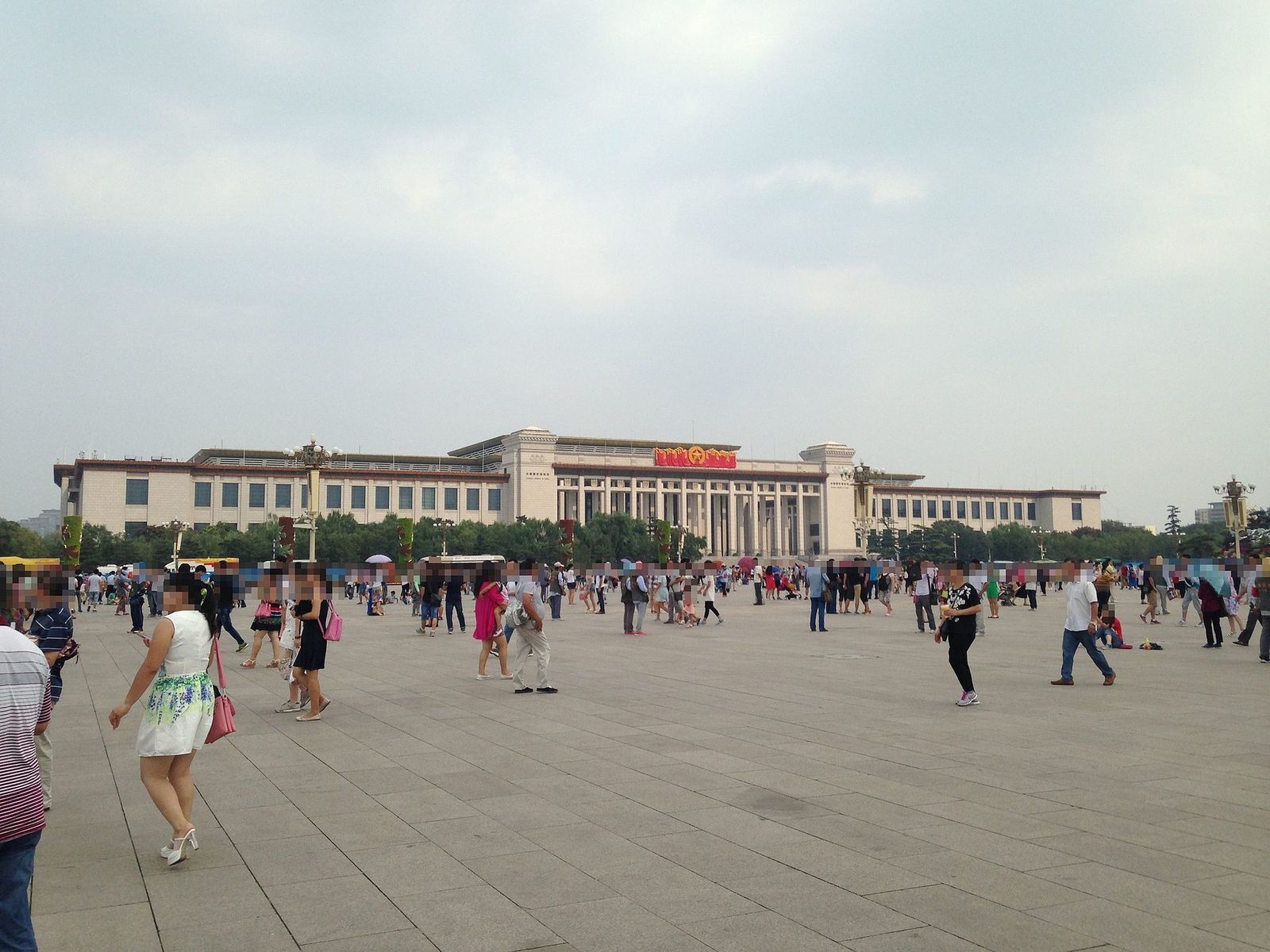
The National Museum of China is one of those Beijing places that can be either a highlight or a burden depending on what kind of traveler you are.
For some visitors, it adds exactly the historical depth that turns Beijing from a city of famous names into a city that makes more sense. For others, it becomes one more demanding indoor stop in an itinerary that is already carrying enough weight.
This page is for travelers asking:
The National Museum of China is worth it when:
It matters less when:
Beijing gives travelers a lot of symbolic history in the form of major sites, squares, gates, palaces, and temple complexes. A museum can deepen that, but only if the traveler wants that layer.
The National Museum of China is useful because it can add:
For the right reader, that makes the whole Beijing stay feel smarter and more complete.
It is strongest if:
It is weaker if you are mainly trying to see the most iconic first-time Beijing places as efficiently as possible. In that case, a museum of this scale can crowd out more immediately rewarding parts of the route.
This is the kind of place where time can expand very quickly if you let it.
For many first-time visitors, these are the most realistic rhythms:
1.5 to 2 hours for a focused selective visit2 to 3 hours if you genuinely enjoy museums and want a fuller blocklonger only if this is a major personal priorityThe museum often feels heaviest when people walk in without limits and then burn energy trying to cover too much.
This is especially good for:
It is less essential for travelers whose ideal Beijing trip is built more around neighborhoods, food, parks, and landmark atmosphere than around long indoor interpretation time.
The museum usually works best as:
It usually works less well as an “extra if we still have energy” stop after multiple major landmarks.
Not necessarily, but the bigger issue is often mental energy rather than transport.
It tends to feel easiest when:
It tends to feel heavier when:
The museum tends to feel heavy when travelers:
That is why this is often best treated as a selective visit, not a completeness challenge.
For many first trips, the best role is:
That distinction matters. Not every strong Beijing page has to be for every reader.
Often yes for museum-minded travelers or visitors who want more historical depth. It matters less for travelers whose Beijing trip is already full of major landmarks and limited time.
No. It is a fit-dependent place. It can be excellent for some travelers and lower priority for others.
Most visitors will have a better experience if they go in with clear priorities and avoid trying to cover everything in one visit.
Publication Note
First published 6/17/2026 · Updated 6/19/2026
We revisit place pages when booking logic, timing advice, or city-day assumptions shift enough to change the decision.
Back To The City
The city page gathers neighborhoods, city-day logic, and practical reads around it.
history-first travelers
Use Beijing as the main historical stop, not as a city where every day is split between opposite ends of town.
Beijing
Badaling is often the right choice when travelers want the most famous Great Wall section and a more developed visitor setup, not necessarily the calmest Wall experience.
Beijing
Baipu Temple is usually worth it only for travelers who actively want a visually strange, less standard temple detour rather than one more conventional Beijing sight.
Beijing
Beihai Park often feels good because it gives central Beijing more air, water, and pause without sending you far out of the way.
Beijing
Plan Beijing by district instead of crossing the city for every major sight.
Beijing
The most interesting Beijing trip usually balances one or two monumental days with slower neighborhood and community-life blocks.
Beijing
Usually, the safest Beijing hotel base is on the Dongcheng side of central Beijing, because it keeps the historic core and day-to-day movement easier.
Transport And Timing
Some major attractions and timed entries can shape the whole day if you leave them too late.
Route Shape
The strongest first trips solve route, payment, and transport assumptions before filling the calendar.
Planning Support
When the stop is clear but the rhythm around it is not, it helps to build the day around the place instead of squeezing the place into a weak plan.
About The Author
Senior Features Editor
Amelia Chen is a senior features editor at China Travel Notes. She leads coverage for Beijing and Xi'an, with additional responsibility for history-led northern and Silk Road-adjacent features. Her work focuses on helping readers turn heavyweight cultural destinations into trips that still feel usable, grounded, and well paced.