Key Takeaways
- The strongest Qingdao trip usually balances one German-era architecture branch, one seafood-and-beer evening, and one slower sea-or-mountain block instead of reducing the city to beach photos or museum checklists.
- Qingdao's charm comes from coexistence: red-tile villas, local apartment life, bagged draft beer, seafood markets, and a calmer coastal rhythm all operating in the same frame.
- The city's beer culture matters most not as branding but as a working social ritual tied to food, neighborhood life, and ordinary pleasure.
- Foreign visitors usually enjoy Qingdao more when they let the city stay loose, walkable, and weather-shaped instead of forcing too many cross-town missions into a short stay.
Many foreign travelers know Qingdao before they know anything about Qingdao.
They know the green bottle.
They know the Romanized ghost of an old spelling, Tsingtao, printed on export labels, restaurant signs, and supermarket shelves far away from the Yellow Sea.
That is a real part of the city.
It is also one of the smallest parts.
The deeper Qingdao is a place where red roofs lean toward the sea, German-era facades soften in salt air, seafood arrives without ceremony, and some of the freshest beer in the city is treated with such democratic affection that people carry it home in plastic bags.
This is not a contradiction.
It is the city’s whole personality.
If you want the rest of our Qingdao coverage in one place, start with the Qingdao destination hub.
Who this is for
This guide is for readers who want a better answer to questions like these:
- what actually makes Qingdao special beyond the beer brand?
- how do German-era streets, seafood life, and local coastal rhythm fit together?
- why does the city feel gentler than Beijing or Shanghai, yet more textured than a generic resort stop?
- how should a first-time visitor use Qingdao if they care about atmosphere, food, and city character more than pure attraction count?
If your question is narrower, these pages may be the better tool:
In practice
The strongest deeper Qingdao trip usually balances three versions of the city:
- the Bavarian silhouette of red-tile roofs, churches, villas, and older coastal streets
- the golden foam of seafood, casual beer culture, and a very local idea of pleasure
- the Tao of sea and stone, where the city can pivot from promenade life to Laoshan calm
If you only do the symbolic waterfront photos, Qingdao can feel pleasant but thin.
If you only chase beer branding, you miss how ordinary and intimate the city’s pleasures really are.
The richer version lets Qingdao feel both elegant and unpretentious.
Why Qingdao feels so unusually easy
One reason Qingdao stays with people is that it does not press itself too aggressively on the traveler.
Beijing argues with you through scale. Shanghai seduces through fluency. Chongqing overwhelms through force.
Qingdao persuades by atmosphere.
That softness is not emptiness. It comes from a rare combination:
- a built environment that still remembers Europe
- a local coastal life that refuses to become over-curated
- a sea-facing climate that slows the social tempo
- a strong enough food and beer culture to make ordinary evenings feel complete
In other words, Qingdao has one of the best ratios in China between beauty and effort.
The Bavarian Silhouette: architecture that learned to live by the sea
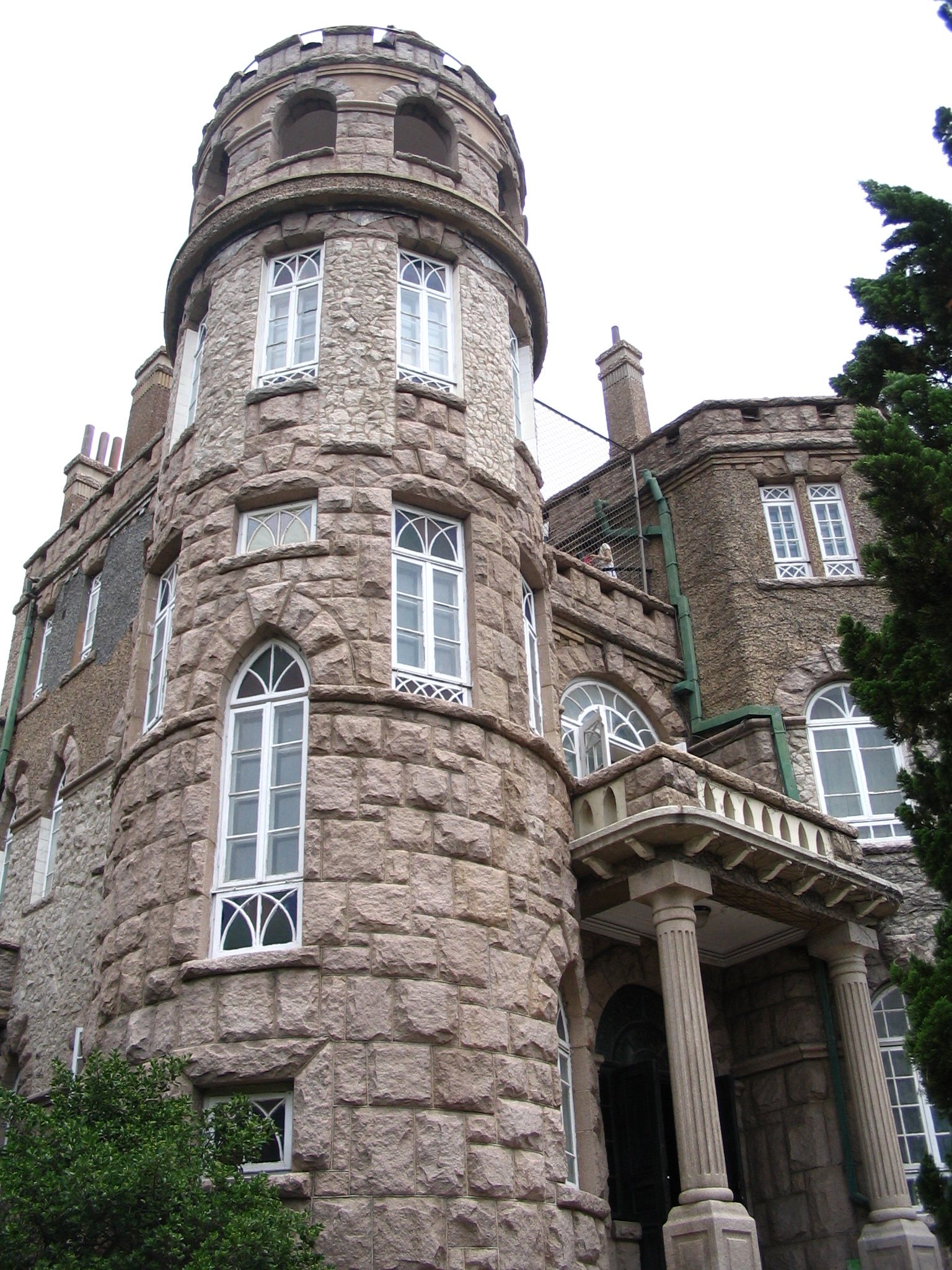
Many cities in China have isolated old foreign buildings.
Qingdao has something more interesting: an entire visual language that still lingers in the streets.
Badaguan and the old core are not just “European style”
It is tempting to reduce Qingdao to a simple phrase like German architecture in China.
That misses what makes the city moving.
The important thing is not only that Badaguan, Zhongshan Road, and older slopes near the historic center carry European-era forms. It is that these forms have been weathered, inhabited, and absorbed into ordinary Chinese life.
The villas and facades no longer read like a museum transplant. They have been softened by sea wind, street trees, apartment routines, neighborhood shops, and the particular gentleness that comes from a city living close to water.
That is why Qingdao’s old buildings feel less rigid than foreign visitors often expect. The geometry may be Germanic. The social life around it is not.
If this is your entry point, Zhongshan Road in Qingdao and Badaguan in Qingdao: Is It Worth Visiting for First-Time Visitors? are the strongest next reads.
The city’s European shadow works because it stayed local
This is one of Qingdao’s great advantages over more polished heritage districts elsewhere.
The old layer still coexists with:
- daily errands
- local apartment life
- simpler meal stops
- streets that feel used rather than staged
That coexistence matters more than architectural purity. It makes the city feel inhabited instead of merely preserved.
The Golden Foam: beer as everyday citizenship
Western visitors often arrive thinking they understand beer culture already.
Qingdao politely disagrees.
In many places, beer culture climbs upward into branding, tasting notes, or lifestyle theater.
In Qingdao, one of its most distinctive expressions moves downward into ordinary life.
The idea that truly fresh draft beer can be sold by weight, poured into a plastic bag, carried home by hand, and treated as a simple neighborhood pleasure tells you almost everything about the city’s moral center. Qingdao’s best beer myth is not luxury. It is accessibility.
This is why ha pijiu, chi gala lands so well as a local phrase. Drink beer, eat clams. The line sounds playful, but it is also a full urban philosophy: pleasure should be immediate, social, inexpensive enough to repeat, and close to the street.
Beer matters because it lowers the emotional temperature of the city
In Qingdao, beer is not only a beverage or a tourist identity product.
It is a social solvent.
It belongs with:
- seafood tables
- humid summer evenings
- plastic stools
- casual conversation
- neighborhoods where no one needs to over-perform sophistication to have a good time
That is one reason the city’s beer culture feels healthier than pure branding. It remains tied to real appetite and real routine.
If this branch interests you, Qingdao Beer Museum: Is It Worth It for First-Time Visitors?, Dengzhou Road Beer Street in Qingdao: Is It Worth It for First-Time Visitors?, and Qingdao Beer Museum are the practical child pages.
Seafood in Qingdao is not polished, and that is part of the appeal
The deeper you go into Qingdao, the less its food feels like a curated coastal fantasy and the more it feels like a city with a direct relationship to the sea.
Clams tell you as much as any landmark
Foreign travelers sometimes search for the biggest seafood spectacle and miss the city’s real vocabulary.
Qingdao often explains itself better through:
- clams
- simpler shellfish
- grilled seafood
- wontons
- one strong beer-linked meal rather than a luxury banquet
This food logic matches the city’s personality. It is fresh, social, and only lightly dressed up.
If food is your way into the city, keep Qingdao Travel Guide for First-Time Visitors and Qingdao Travel Guide for First-Time Visitors nearby.
The city still likes its pleasures ordinary
This is where Qingdao becomes especially lovable.
Seafood here can still belong to:
- a market
- a simple late dinner
- a neighborhood evening
- a white-collar table one minute and a bare-armed local uncle the next
That lack of hierarchy is part of the attraction. The city does not insist that the sea be made elegant before it can be enjoyed.
If you want the operational side, Qingdao Travel Guide for First-Time Visitors, How Qingdao Seafood Market Processing Actually Works for First-Time Visitors, and Qingdao Travel Guide for First-Time Visitors are the best supporting reads.
Qingdao works because its romance is interrupted by real life
This is another reason the city feels convincing.
You can move from:
- a tree-lined villa street
- to a snacky old block like Pichaiyuan
- to an ordinary meal
- to a sea-facing walk
without ever feeling that the city changed costumes just for you.
That continuity is rare. It is what turns beauty into trust.
The Tao of the Sea: Laoshan and the city’s vertical calm
Most foreign beach cities sort themselves into one of two categories:
- pure leisure
- or pure commerce
Qingdao has a third layer.
Laoshan changes the philosophical range of the city
Laoshan Mountain matters because it gives Qingdao an eastern metaphysical register that many Western visitors do not expect from a coastal stop.
You can spend time among beaches, villas, beer, and seafood, then suddenly find yourself thinking about mountains, tea, rock, mist, and Daoist continuity. That shift is not a side note. It changes the meaning of the city.
Qingdao becomes more than a relaxed port. It becomes one of those rare places where sea pleasure and spiritual landscape coexist without competing.
That makes the city feel larger on the inside than its easygoing surface first suggests.
Not everyone needs Laoshan, but everyone benefits from its presence
Even if you do not spend a full day there, knowing that Qingdao’s horizon includes Laoshan affects how the city reads. It makes the coast feel less terminal and more open. The sea does not end the world here. It meets another form of contemplation.
If you are deciding whether that branch belongs in your trip, Laoshan from Qingdao: Is It Worth a Day for First-Time Visitors? is the right next page.
Modern Qingdao should not be ignored
It would be too easy to trap Qingdao in sepia tones.
The city also has its newer waterfront, broader public spaces, and a quieter modern confidence that appears around May Fourth Square and the Olympic Sailing Center.
These places do not erase the old city. They extend it.
Qingdao’s identity is not only nostalgia. It is a continuing argument between old villas, modern coastlines, working neighborhoods, beer mythology, and a city that still knows how to stay human-sized by Chinese standards.
Practical details that actually improve Qingdao
This kind of feature should still help people travel better.
Qingdao gets worse when overscheduled
One of the easiest ways to flatten the city is to turn it into a chain of separated symbolic stops.
Qingdao is usually best when:
- one district gets real walking time
- one meal gets a real evening
- weather is allowed to influence the day
- one scenic branch stays slower than the planner’s instinct wants
This is not laziness. It is part of the city’s operating rhythm.
Hotel area matters because the city has distinct emotional zones
Where you stay shapes whether Qingdao feels:
- older and more symbolic
- newer and more waterfront-facing
- more food-led
- or more restful
If that choice still is open, Best Area to Stay in Qingdao for First-Time Visitors is one of the highest-value pages in the cluster.
Weather matters more here than in many inland cities
Qingdao is a city of sea air, light, and walkability. Bad weather does not ruin it, but it changes which branch should lead. A rainy or gray day may strengthen the old-core, food, or beer logic and weaken long coastal strolling. That is not a failure. It is simply part of reading the city honestly.
Rail timing and route role matter
Because Qingdao is often used as a softer add-on rather than the main anchor of a China trip, arrival and departure timing can unfairly weaken the city if they are handled badly.
Keep Qingdao Jiaodong Airport to City Center, Qingdao Travel Guide for First-Time Visitors, and Qingdao Travel Guide for First-Time Visitors close while planning.
A better three-day shape for this version of Qingdao
If you want Qingdao to feel memorable rather than generic, this is a stronger shape.
Day 1: Old ghost, real city
Build around:
- one architecture-and-old-core branch
- one casual meal
- one softer coastal or evening continuation
This is the day when Qingdao should reveal its silhouette.
Day 2: Beer, seafood, and lived pleasure
Use the city for:
- one slower waterfront or district block
- one serious seafood-and-beer evening
- one neighborhood rhythm that does not need over-explaining
This is the day when Qingdao becomes intimate.
Day 3: Sea to mountain, or sea to modern coast
Choose one:
- Laoshan
- a slower Badaguan and beach-side day
- the newer waterfront and a lighter city finish
This is the day when Qingdao becomes whole.
Who will love this version of Qingdao
This deeper Qingdao tends to work especially well for travelers who like:
- architecture without museum stiffness
- food that feels social rather than over-curated
- slower coastal cities
- places where atmosphere matters as much as the attraction list
- the contrast between imported form and deeply local daily life
The real pleasure of Qingdao
The real pleasure of Qingdao is not that it feels European.
It is that Europe here became weathered, coastal, and local.
Red roofs stayed, but the sea changed them. Beer remained, but the city democratized it. Old facades survived, but they now belong to a place where people still want simple seafood, a breezy walk, and enough time to sit down before the evening ends.
That is why Qingdao lingers.
Not because it is exotic.
But because it is one of the rare cities that knows how to be beautiful without becoming self-conscious about it.
FAQ
Is Qingdao only worth visiting for beer and beaches?
No. Beer and the coast matter, but Qingdao becomes much more rewarding when travelers also spend time in German-era streets, older neighborhood life, seafood culture, and the mountain-and-sea contrast around Laoshan.
Why does Qingdao feel different from other major Chinese cities?
Qingdao combines European-era built heritage, local Shandong coastal appetite, sea-facing pacing, and a less compressed urban rhythm than most larger Chinese cities. That gives it a softer but still highly distinctive identity.
What kind of traveler tends to love this deeper version of Qingdao?
It works especially well for travelers who like slower cities, architecture, food, sea air, and places where everyday life feels as interesting as the formal sightseeing list.