Key Takeaways
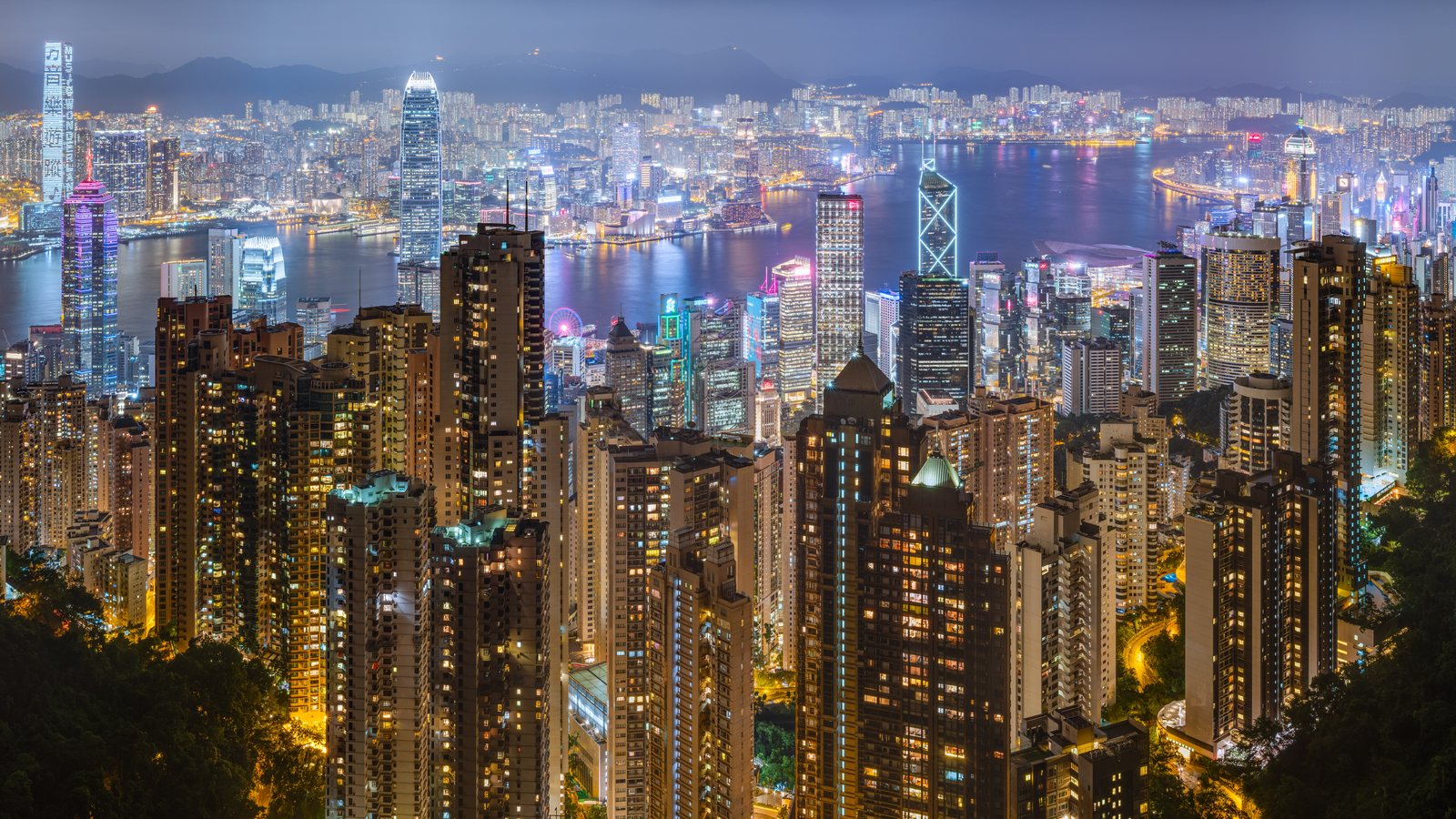
- For many first-time visitors, the safest Hong Kong hotel base is a central MTR-friendly area in Tsim Sha Tsui, Central, or Sheung Wan because it keeps harbor views, neighborhood time, and day-to-day movement easy.
- Tsim Sha Tsui is often the strongest classic first-time base if skyline views, ferries, and postcard Hong Kong matter most.
- Central and Sheung Wan are often better when neighborhood walking, food, and a more Hong Kong Island rhythm matter more than staying closest to the usual visitor-facing skyline shots.
- Wan Chai and Causeway Bay can be strong style-led choices for shopping, later evenings, and easier island-side movement, but they are usually preference choices rather than the safest default.
In Hong Kong, where you stay changes the feel of the trip more than many first-time visitors expect.
A strong base makes the city feel compact, easy, and exciting.
A weak base makes even a short stay feel like too much ferry, MTR, and backtracking.
Source check
This page was checked against current official sources on June 23, 2026, including the Hong Kong Tourism Board’s Traveller Essentials, current Getting Around Hong Kong guide, official Neighbourhoods hub, Old Town Central, Sham Shui Po, West Kowloon, Wan Chai, and MTR’s official tourist overview plus tourist ticket information. I am mainly using those sources to keep the district roles and transit assumptions honest. Hotel quality, live pricing, and exact station-to-hotel walking comfort can still vary a lot.
Who this page is for
This page is for travelers who already know Hong Kong is happening, but still need to decide:
- which area is best for a first stay
- whether to stay in Kowloon or on Hong Kong Island
- how much skyline access should drive the hotel choice
- how to balance convenience, neighborhood feel, and easier nights
If Hong Kong itself is still not confirmed, start first with Hong Kong for First-Time Visitors: How Many Days, Where to Stay, and What to Prioritize.
If trip length is still the main blocker, go first to How Many Days in Hong Kong for First-Time Visitors.
If the hotel choice mainly depends on how much food and breakfast rhythm should shape the stay, keep What to Eat in Hong Kong for First-Time Visitors open too.
If the hotel shortlist is quietly being distorted by a planned mainland rail exit, pause one step. Many readers think they need to sleep near West Kowloon because the next chapter is Guilin or Yangshuo, when the real problem is whether that rail handoff should shape the route at all. If that is the live question, use Hong Kong West Kowloon to Guilin or Yangshuo by High-Speed Rail: The Cleanest Scenic Escape? before forcing the hotel map to solve it.
The short answer
For many first-time visitors, the best default is a central MTR-friendly base in either:
- Tsim Sha Tsui if classic skyline access matters most
- Central or Sheung Wan if neighborhood rhythm, food, and island-side movement matter more
- Wan Chai or Causeway Bay if shopping, later evenings, and Hong Kong Island energy matter more than the pure classic first-time skyline setup
After that, the choice usually becomes:
- stay in Tsim Sha Tsui if you want the safest postcard-Hong-Kong answer
- stay in Central or Sheung Wan if you want a more lived-in and food-strong island-side base
- stay in Wan Chai or Causeway Bay only if you know island-side evenings and shopping will really shape the trip
The biggest mistake is booking a hotel too far from the district rhythm you actually want.
Pick your base by the kind of Hong Kong trip you want
Choose Tsim Sha Tsui if
- this is your first Hong Kong trip
- skyline views and harbor access matter a lot
- you want the easiest classic answer
- you want ferries, waterfront walks, and the usual first-time Hong Kong visual payoff nearby
This is often the strongest do not overthink it answer.
Why it works:
- the harbor is right there
- the classic skyline-facing walks feel easy
- the Star Ferry and Kowloon-side transit logic are simple to understand
- first-time visitors usually find the district emotionally legible very quickly
If the live question already is not just Which base is easiest? but Which harbour move will this base actually make feel worthwhile?, the natural companion pages are Star Ferry: When a Harbour Crossing Becomes Part of the Hong Kong Experience and Victoria Harbour at Night: Choosing the Hong Kong Skyline Plan That Fits.
This is usually the best base when the trip mainly wants:
- one strong skyline night
- easy harborfront walking
- a classic first impression
- a short
2 to 3 day version of Hong Kong
The tradeoff is that some parts of Tsim Sha Tsui can feel more visitor-facing and less neighborhood-led than the best Hong Kong Island bases.
Choose Central or Sheung Wan if
- neighborhood walking matters almost as much as skyline access
- you want food, cafes, and local city rhythm to feel stronger
- Hong Kong Island is where you expect to spend a lot of your time
- you like the idea of a base that feels urban and useful all day, not only scenic
This is often the strongest style-led adult choice.
The Hong Kong Tourism Board still frames Old Town Central as one of the city’s most quintessential areas, and that is exactly why this hotel logic works so well for many first-time visitors. It gives the trip more day-to-day texture than a pure skyline-only base.
Choose this area if you want:
- a stronger day-and-night neighborhood rhythm
- easier access to Central, Sheung Wan, Mid-Levels, and island-side dining
- a base that still works well even when the trip shifts toward food or slower walking
This is often better than Tsim Sha Tsui when the trip wants Hong Kong to feel more lived in and less only postcard-driven.
The tradeoff is that the harbor panorama is not as instantly built into every walk unless you deliberately go to it.
That is also why this base usually works best for travelers who want to choose their harbour windows deliberately instead of living inside them all day.
Choose Wan Chai or Causeway Bay if
- shopping and later evenings are real priorities
- you expect to use Hong Kong Island heavily
- you want a busier, broader urban base than Central alone
- one or two modern city nights may matter as much as daytime sightseeing
This is usually better as a preference choice than a default first-time choice.
HKTB’s neighborhood material still frames Wan Chai and nearby Causeway Bay as strong shopping, food, and city-energy districts, which is why this area can work so well for travelers who know evenings and urban rhythm matter.
Choose this base when:
- the trip is not only about classic harbor views
- one more energetic island-side district would improve the stay
- you expect to come back after dinner and still want the area itself to feel active
It is weaker if the whole trip is basically a tight first-time skyline-and-neighborhood sampler and you want the safest possible answer.
Kowloon or Hong Kong Island: how to decide quickly
If you want the shortest version:
- choose Kowloon, especially Tsim Sha Tsui, if you want the easiest classic skyline-and-harbor answer
- choose Hong Kong Island, especially Central or Sheung Wan, if you want better neighborhood texture and more food-led day structure
- choose Wan Chai or Causeway Bay only if island-side evenings, shopping, and broader city buzz are meaningful trip priorities
The easiest test is to ask which one sounds more like your actual trip:
- “We want Hong Kong to feel iconic immediately.” That is usually Tsim Sha Tsui.
- “We want Hong Kong to feel walkable, urban, and food-strong.” That is usually Central or Sheung Wan.
- “We want Hong Kong Island energy and stronger later evenings.” That is usually Wan Chai or Causeway Bay.
Do not choose only by the harbor view
Many first-time visitors are tempted to let one skyline photo decide the whole hotel strategy.
That often leads to:
- paying too much for a view you only use twice
- weakening the rest of the stay
- making food or daytime neighborhood movement more awkward than it needs to be
For many readers, one deliberate skyline session is enough. The rest of the trip usually benefits more from a base that still works in the morning, in the afternoon, and after dinner.
Keep evenings part of the hotel decision
Hong Kong often feels strongest after dark, so the right hotel area should still make dinner, night walks, and the ride back feel easy.
This matters more than many first-time visitors expect because the city is not just about daytime attractions. A hotel that works on paper but feels annoying every night is often the wrong base.
That is also why Central, Sheung Wan, Wan Chai, Causeway Bay, and Tsim Sha Tsui keep winning for first-timers. They help the trip stay usable after 7 pm.
If the hotel choice now mostly depends on which evening pattern sounds best, the stronger next page is What to Do in Hong Kong at Night for First-Time Visitors. In Hong Kong, the right base often becomes obvious once you know whether the trip is really skyline-led, Central-led, Temple-Street-led, or Wan-Chai-led after dark.
If the base question is less about evenings and more about whether the stay should support dim sum mornings, cha chaan teng breakfasts, and easy access to the city’s strongest meal types, the cleaner food parent page is What to Eat in Hong Kong for First-Time Visitors.
If that hotel decision is already narrowing into Central and Sheung Wan should carry one real food day, the more focused child page is Where to Eat in Central and SoHo for First-Time Visitors.
If the hotel decision is really about whether a Kowloon base should support one easier market-led night, the more focused child page is Where to Eat Near Temple Street for First-Time Visitors.
Avoid overvaluing outer convenience
A cheaper or larger hotel farther out can look attractive on a map.
But in a short Hong Kong trip, that often costs more than it saves.
West Kowloon is one of the easiest places to overvalue for this reason. Booking the whole Hong Kong stay around one departure morning usually weakens the city more than it helps, unless the trip has an unusually early train or an awkward late-night arrival before departure.
Check:
- whether the hotel is truly close to a useful MTR station
- whether your likely days require repeated cross-harbor effort
- whether dinner and late returns still feel easy
- whether the area still works if weather or fatigue forces a lighter day
For most first-time visitors, those details matter more than getting a slightly larger room.
What to watch out for
- choosing a hotel only for price and making every day harder
- overpaying for a skyline view that weakens the rest of the route
- staying too far from the MTR on a short trip
- booking an outer district because it looks efficient for one airport or one train move
- forgetting that the best hotel area should still feel good after dinner
Which page to read next
FAQ
What is the best area to stay in Hong Kong for first-time visitors?
For many first-time visitors, the best area to stay in Hong Kong is a central MTR-friendly base in Tsim Sha Tsui, Central, or Sheung Wan because those areas keep skyline access, neighborhood walking, and daily transport straightforward.
Is it better to stay in Kowloon or on Hong Kong Island?
For many first-time visitors, Kowloon is better if skyline views and classic harbor access matter most, while Hong Kong Island is better if you want a stronger neighborhood-and-food rhythm and easier access to Central, Sheung Wan, Wan Chai, and Causeway Bay.