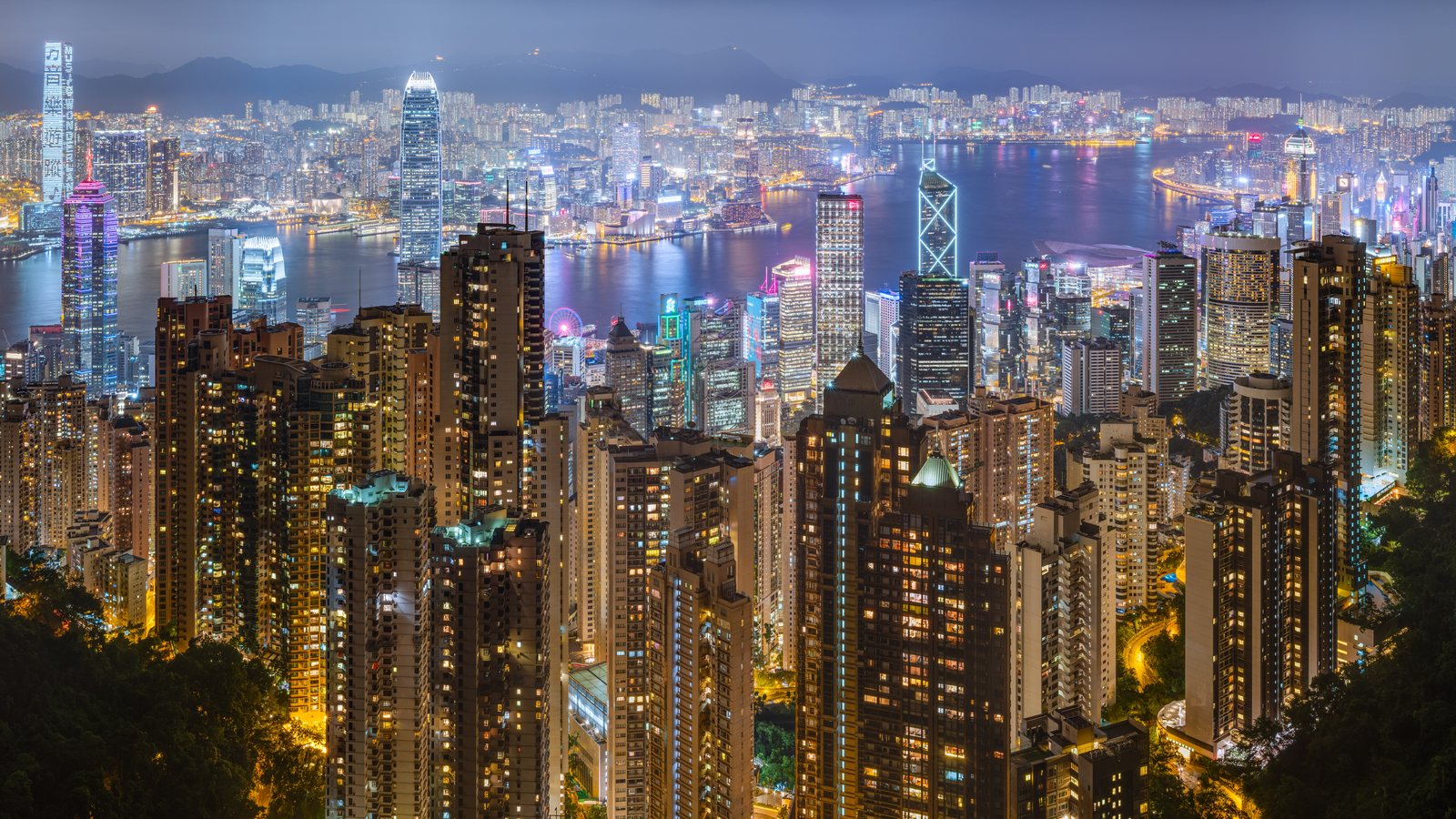
Key Takeaways
- Hong Kong is one of the strongest short urban stops in a South China route because transit, neighborhood variety, and skyline payoff all work well on a compact stay.
- The city is usually strongest for 2 to 4 days, especially when hotel location and district rhythm are planned early.
- Hong Kong works especially well when paired with Shenzhen or Macau, while Guangzhou adds more route depth and food contrast.
Hong Kong is one of the clearest examples of a city that does not need a long stay to feel memorable.
It works because the payoff comes fast:
- skyline and harbor views
- recognizable neighborhood contrast
- strong food density
- easy movement by rail and ferry
This page was checked against current official sources on June 23, 2026, including the Hong Kong Tourism Board’s Travel Guide, Traveller Essentials, Top Picks and attractions, and official Greater Bay Area travel information. Practical details can still change, so live transport and booking checks should be your final step.
Who this guide is for
This page is best for travelers who still are trying to answer the broad Hong Kong questions:
- is Hong Kong worth adding to this trip?
- should it be a main stop or a short regional add-on?
- how many days does Hong Kong actually need?
- is it better paired with Shenzhen, Macau, or Guangzhou?
If you already know the exact decision, the narrower page is usually better:
The short answer
For many first-time visitors, Hong Kong is worth adding when:
- you want one compact world-city stop
- skyline, neighborhoods, and food matter more than a long landmark checklist
- you only have 2 to 4 days
- the wider route already includes or may include Shenzhen, Macau, or Guangzhou
It is usually less ideal only if the trip is trying to maximize mainland history, classic imperial sights, or longer inland routes.
Choose Hong Kong for density, not for sprawl
Hong Kong is a strong fit if you want:
- a short city that still feels full
- memorable harbor and skyline payoff
- districts that change mood quickly
- easy movement between food, shopping, and sightseeing layers
This is one reason Hong Kong works so well for first-time visitors. It rewards a compact stay instead of demanding that every traveler build a huge week-long city plan.
Decide early whether Hong Kong is the anchor or the add-on
For some travelers, Hong Kong is the first emotional anchor of the route.
For others, it is the sharper, easier urban add-on around a mainland South China sequence.
That choice shapes:
- how central the hotel should be
- how many nights the city deserves
- whether the route should lean harbor views, neighborhoods, or pairings
- how much energy should be reserved for a second city
If Hong Kong already is confirmed and the only real question left is trip length, go next to How Many Days in Hong Kong for First-Time Visitors.
If the stay length already is clear and the hotel area is the real blocker, go next to Best Area to Stay in Hong Kong for First-Time Visitors.
If the stay length and hotel area already are mostly clear, go next to Hong Kong 3-Day Itinerary for First-Time Visitors.
If the trip already is clearly food-led and the live question becomes which Hong Kong foods actually deserve protected meal slots, go next to What to Eat in Hong Kong for First-Time Visitors.
Best pairings with Hong Kong
Hong Kong pairs especially well with:
- Shenzhen if you want a fast mainland contrast with modern districts and practical rail logic
- Macau if you want a compact heritage-and-resort contrast
- Guangzhou if food, rail logic, and a larger South China city still matter more than another skyline stop
For many first-time visitors, Hong Kong + Shenzhen is the easiest modern two-city split, while Hong Kong + Macau is the easiest short cultural-and-entertainment split.
If the live question is whether Hong Kong itself should win over Shenzhen, read Hong Kong or Shenzhen: Which Is Better for First-Time Visitors? before you lock hotels or route order.
If the live question already is not Hong Kong or Shenzhen but how do I actually cross into Shenzhen cleanly?, go next to Hong Kong to Shenzhen for Foreign Travelers: Which Crossing, Which Visa Rule, and What Actually Works.
If the mainland branch already is leaning toward a fuller food city rather than the lightest possible border hop, the sharper rail handoff page is Hong Kong to Guangzhou by High-Speed Rail: The Easiest First Mainland Add-On?. If the route instead wants Hong Kong to hand off directly into scenery, go to Hong Kong West Kowloon to Guilin or Yangshuo by High-Speed Rail: The Cleanest Scenic Escape?.
What most first-time visitors should prioritize
The strongest first Hong Kong stay usually protects:
- one skyline or harbor-led block
- one neighborhood day or half-day
- one evening that is more about the district mood than about cramming extra sights
- one practical route decision about whether a second city belongs in the same trip
That usually works better than trying to force every island, market, and photo stop into the same stay.
If the itinerary shape already feels roughly right but evenings still feel vague, go next to What to Do in Hong Kong at Night for First-Time Visitors. Hong Kong usually becomes much more satisfying once one skyline night and one district-led night are chosen intentionally.
If the city role is already clear and the live question becomes what you should actually eat beyond one generic dim sum plan, the stronger food parent page is What to Eat in Hong Kong for First-Time Visitors.
If the city role is clear and the real sightseeing question becomes whether one elevated skyline branch deserves protecting, the more focused place page is Victoria Peak in Hong Kong: Is It Worth It for First-Time Visitors?.
If the city role is clear and the real harbourfront question becomes whether one classic Tsim Sha Tsui skyline block deserves protected time, the more focused place page is Avenue of Stars in Hong Kong: Is It Worth It for First-Time Visitors?.
If the city role is clear and the real harbour question becomes whether one simple classic crossing deserves real time, the more focused place page is Star Ferry: When a Harbour Crossing Becomes Part of the Hong Kong Experience.
If the city role is clear and the real skyline question becomes how much the harbour itself should shape the trip before it starts repeating, the broader place page is Victoria Harbour at Night: Choosing the Hong Kong Skyline Plan That Fits.
If the city role is clear and the real short-trip tradeoff becomes whether Hong Kong should keep one full urban day or give it to a park, the more focused place page is Hong Kong Disneyland: When It Deserves a Full Day on a First Trip.
If the city role is clear and the real outlying-day question becomes whether Lantau deserves space, the more focused place pages are Tian Tan Buddha: When a Lantau Detour Earns Its Place on a First Trip and Ngong Ping 360: When the Cable Car Improves a First Hong Kong Trip.
If the city role is clear and the live tradeoff becomes Lantau contrast or one stronger skyline branch, the sharper comparison page is Tian Tan Buddha or Victoria Peak? The Better Hong Kong Detour for a First Trip.
If the city role is clear and the live branch question becomes full Disneyland day or broader Lantau contrast, the sharper comparison page is Hong Kong Disneyland or a Lantau Day: Which Gives a First Trip More Range?.
If the city role is clear and the real evening question becomes whether one looser Kowloon market night belongs at all, the more focused place page is Temple Street Night Market in Hong Kong: Is It Worth It for First-Time Visitors?.
Common mistakes on a first Hong Kong trip
- treating Hong Kong like it needs a long checklist to justify itself
- choosing a hotel too far from the district rhythm that matters most
- turning the stay into nonstop cross-harbor movement
- adding Shenzhen or Macau without deciding what role each city actually plays
Which page to read next
FAQ
Is Hong Kong worth visiting for first-time travelers?
Yes. For many first-time visitors, Hong Kong is one of the easiest and most rewarding short city stops because skyline views, neighborhoods, food, and transit all work well in a compact trip.
How many days do you need for Hong Kong?
Many first-time visitors do best with 2 to 4 days. That is usually enough for a skyline layer, a couple of neighborhood blocks, and one or two easier side decisions without turning the stay into a rush.