Key Takeaways
- Three days is enough for a strong first Hong Kong trip if the route stays district-based instead of trying to fit every island, market, and attraction into one stay.
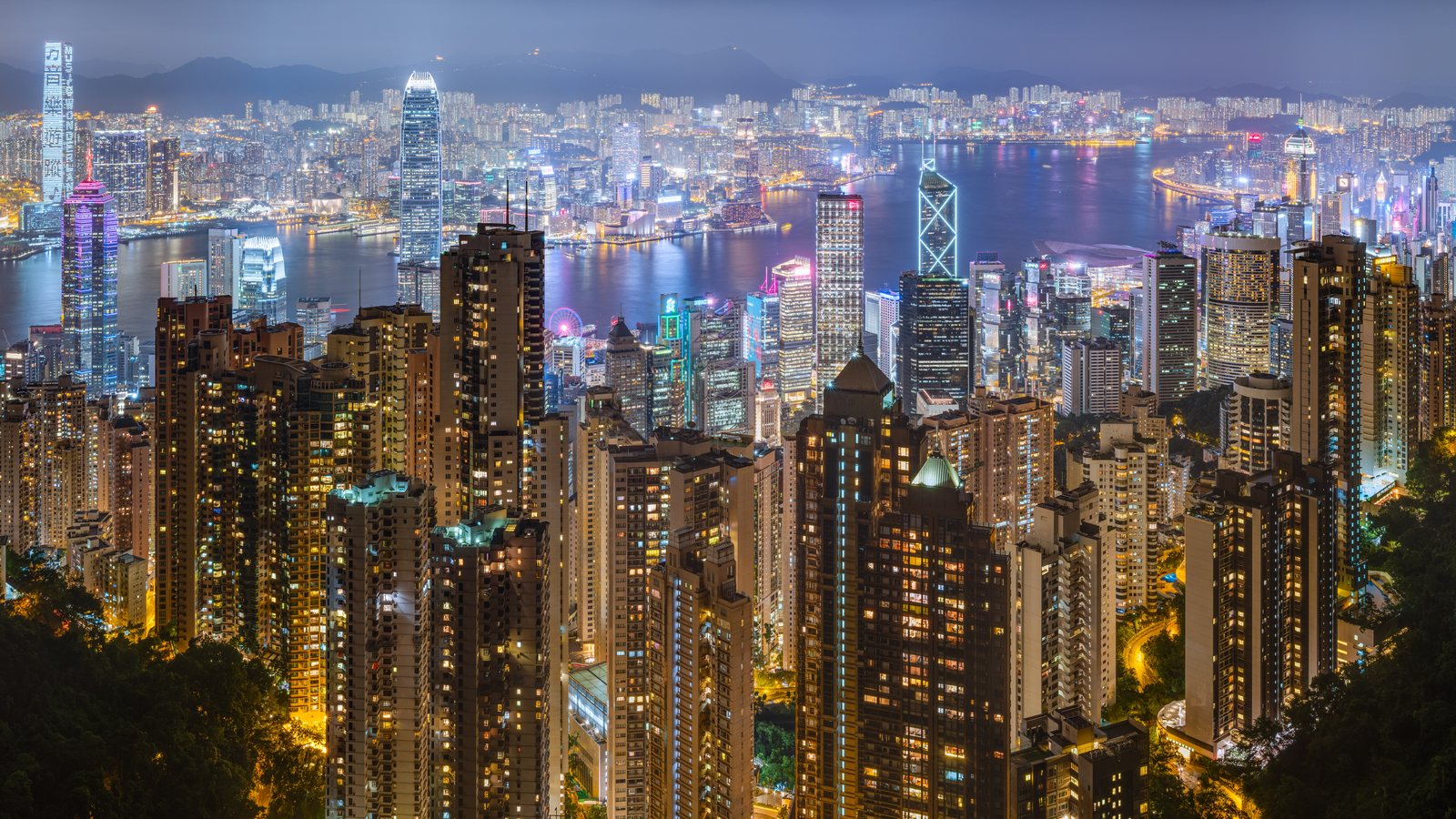
- Day one should build orientation quickly with the harbor and classic skyline layer.
- The strongest 3-day Hong Kong plans usually split into one skyline-led day, one Hong Kong Island neighborhood day, and one Kowloon culture-and-food day.
- Hong Kong usually works best when you protect evenings, avoid too many cross-harbor repeats, and keep one day flexible enough to absorb weather or energy changes.
Hong Kong is one of the easiest big-city stops in Asia to turn into a strong 3-day trip, but the itinerary works best when you plan by district rhythm instead of trying to clear a giant sightseeing checklist.
Source check
This page was checked against current official sources on June 23, 2026, including the Hong Kong Tourism Board’s main Travel Guide, current Top Picks and attractions, official Neighbourhoods hub, Old Town Central, Wan Chai, West Kowloon, Sham Shui Po, HKTB’s Getting Around Hong Kong guide, and MTR’s official tourist transport overview. I am mainly using those sources to keep the district roles, movement logic, and first-time route structure honest. Exact opening hours, queue patterns, and weather can still change.
Who this itinerary is for
This plan is best for travelers who:
- have about three full days in Hong Kong
- want skyline views, neighborhoods, food, and one clear sense of how the city fits together
- prefer a realistic first-time route over a maximal attraction list
If Hong Kong still is not fully confirmed, start with Hong Kong for First-Time Visitors: How Many Days, Where to Stay, and What to Prioritize.
If the hotel base is still not right, keep Best Area to Stay in Hong Kong for First-Time Visitors open too.
If the broader decision still is whether Hong Kong itself should win over Shenzhen, keep Hong Kong or Shenzhen: Which Is Better for First-Time Visitors? open too.
If the broader question still is not day order but trip length, keep How Many Days in Hong Kong for First-Time Visitors open too.
If the day structure mostly works but evenings still feel too vague, keep What to Do in Hong Kong at Night for First-Time Visitors open too.
If the day structure mostly works but the meal layer still feels too abstract, keep What to Eat in Hong Kong for First-Time Visitors open too.
Who this 3-day version is best for
This version is strongest if:
- Hong Kong is one of the main short urban stops in your route
- you want the city itself, not only a theme-park or island outing
- you want one skyline day, one neighborhood-led day, and one Kowloon-side culture-and-food day
It is less ideal if your real priority is:
- a full Disneyland day
- a heavy Lantau-only day
- a Macau side trip squeezed into the same stop
In those cases, you would customize more aggressively or give the city a fourth day.
Before you use this plan
This itinerary works best if:
- your hotel base is reasonably central or close to a useful MTR station
- you are not treating arrival day like a full sightseeing day
- you do not force too many cross-harbor trips just because the map looks compact
If the base is still fuzzy, solve that first. Hong Kong gets much better when the hotel area is right and noticeably weaker when the hotel fights the route.
If the trip still is not clearly 3 days, solve that first too. The city changes a lot depending on whether you have only 2 days or can grow the stop to 4.
How to shape the three days
Day 1: Harbor, skyline, and fast orientation
Use the first day for the classic Hong Kong answer:
Tsim Sha Tsui- the waterfront
- one cross-harbor move
- one skyline-led evening
Why this works:
- the city starts making sense quickly
- you get the emotional payoff early
- you do not waste Day 1 trying to prove how many neighborhoods you can cram in
What the day should feel like
- the first half should help you orient the harbor and hotel relationship
- the second half should build toward the skyline payoff
- the evening should feel iconic without turning into a transport marathon
This is usually not the best day to force every museum, market, and shopping stop. It is the best day to make Hong Kong click.
Good Day 1 structure
- one
Tsim Sha Tsui harborfront block
- one ferry or simple harbor crossing
- one
Central or Peak style skyline finish
What usually weakens Day 1 is trying to do:
- all of
Tsim Sha Tsui
- all of
Central
- too much shopping
- too many extra attractions
as if there were no energy cost.
If the live question already is not should Day 1 carry one skyline branch? but should that elevated skyline branch actually be Victoria Peak?, the more focused companion page is Victoria Peak in Hong Kong: Is It Worth It for First-Time Visitors?.
If the live question already is not whether Day 1 needs one classic skyline answer but whether the easiest Tsim Sha Tsui harbourfront version is enough by itself, the more focused companion page is Avenue of Stars in Hong Kong: Is It Worth It for First-Time Visitors?.
If the live question already is not whether Day 1 needs one classic harbour layer but whether that should be one simple crossing instead of another promenade block, the more focused companion page is Star Ferry: When a Harbour Crossing Becomes Part of the Hong Kong Experience.
If the live question already is not whether Day 1 needs the harbour but which harbour format should actually carry the skyline payoff, the broader companion page is Victoria Harbour at Night: Choosing the Hong Kong Skyline Plan That Fits.
Day 2: Central, Sheung Wan, and Hong Kong Island rhythm
This is the best day to slow down and let Hong Kong Island feel like more than a skyline backdrop.
Use it for:
CentralSheung WanOld Town Central style walking- and, if energy is still good, a later move toward
Wan Chai or Causeway Bay
Why this works:
- the city feels much better once you stop forcing only postcard logic
- this is often the most enjoyable walking-and-food day
- it balances the more visual Day 1 well
For many readers, this becomes the day they remember most clearly, even if Day 1 had the bigger iconic moment.
What the day should feel like
- more neighborhood walking, less rushing
- more food and local city rhythm, less landmark pressure
- one easy evening continuation if the district still feels good
If Day 1 was the Hong Kong makes sense now day, Day 2 is usually the Hong Kong is enjoyable now day.
If the live question on this island-side day already has narrowed from How should Day 2 feel? to What should we actually eat in Central and SoHo?, the more focused companion page is Where to Eat in Central and SoHo for First-Time Visitors.
Day 3: Kowloon culture, markets, and a final food-led finish
Keep the final day on the Kowloon side and use it for a different texture from the first two days.
This is the best day for some combination of:
West KowloonSham Shui PoYau Ma TeiTemple Street or a similar later-evening finish
Why this works:
- you get a different urban layer without rebuilding the whole route
- the city feels broader, not just more repetitive
- the final day can absorb shopping, markets, and one stronger final meal naturally
Good Day 3 versions
West Kowloon + Sham Shui PoYau Ma Tei + Temple Streetone softer museum-or-culture block + one last easy food evening
The final day should feel selective, not like a cleanup operation for everything you skipped on Days 1 and 2.
If the live question on this Kowloon day already has narrowed from Should Temple Street be in the plan? to What should we actually eat there?, the more focused companion page is Where to Eat Near Temple Street for First-Time Visitors.
If the live question now is less about day order and more about which meal types deserve protection across those three days, the cleaner companion page is What to Eat in Hong Kong for First-Time Visitors.
If you want Disneyland, Lantau, or Macau
That is where many first-time Hong Kong itineraries lose shape.
If one of those is a major reason for the trip, do not pretend it is a free half-day add-on.
Usually:
- swap out Day 3 if the outing is the real priority
- or give Hong Kong a fourth day instead
The cleaner decision is usually better than forcing the city and the side outing to compete for the same limited time.
If the live tradeoff is specifically whether the trip should sacrifice a whole city day for a park, the narrower companion page is Hong Kong Disneyland: When It Deserves a Full Day on a First Trip.
If the live tradeoff is whether Hong Kong should keep its dense urban rhythm or open into a calmer Lantau branch, the more focused companion pages are Tian Tan Buddha: When a Lantau Detour Earns Its Place on a First Trip and Ngong Ping 360: When the Cable Car Improves a First Hong Kong Trip.
If the live choice is less Do we go to Lantau? and more Lantau or one better skyline branch?, the sharper companion page is Tian Tan Buddha or Victoria Peak? The Better Hong Kong Detour for a First Trip.
If the live choice is less park or no park? and more full Disneyland day or the broader Lantau version of leaving the city core?, the sharper companion page is Hong Kong Disneyland or a Lantau Day: Which Gives a First Trip More Range?.
Two strong ways to customize this itinerary
If you care more about classic skyline and iconic views
Lean harder into:
Tsim Sha Tsui- one stronger
Central finish
- a cleaner harbor and skyline rhythm
Keep Day 3 lighter and more selective.
If you care more about neighborhoods and food
Lean harder into:
Central and Sheung Wan- one longer
Wan Chai or Causeway Bay continuation
- one stronger Kowloon food-and-market finish
Keep the skyline logic more limited after Day 1.
Common mistakes on a short Hong Kong trip
- using arrival day like a full sightseeing day
- forcing too many cross-harbor moves into every day
- treating every famous district as mandatory
- adding Macau, Disneyland, or Lantau without honestly reducing something else
- leaving no evening flexibility for weather, fatigue, or a better dinner block
The real reason some short Hong Kong trips feel flat
They usually feel flat not because Hong Kong lacks enough to do, but because the route confuses variety with overcrossing.
A strong 3-day Hong Kong trip usually has:
- one skyline-led day
- one Hong Kong Island neighborhood day
- one Kowloon culture-and-food day
That is enough for the city to feel dense, legible, and memorable without becoming random.
Which page to read next
FAQ
Is 3 days enough for Hong Kong?
Yes. Three days is enough for a strong first Hong Kong impression if you focus on the harbor, one Hong Kong Island neighborhood day, and one Kowloon culture-and-food day instead of trying to cover every side trip and major attraction.