Wanning
Wanning, Surf Lines and Coconut Shade: Where Hainan's East Coast Keeps Its Own Time
Wanning is Hainan without the full resort costume: surf wax, sea wind, low buildings, coconut shade, and a coast that feels chosen rather than staged.
Reported city features, practical travel notes, and destination coverage across China.
Wanning
Wanning is Hainan without the full resort costume: surf wax, sea wind, low buildings, coconut shade, and a coast that feels chosen rather than staged.
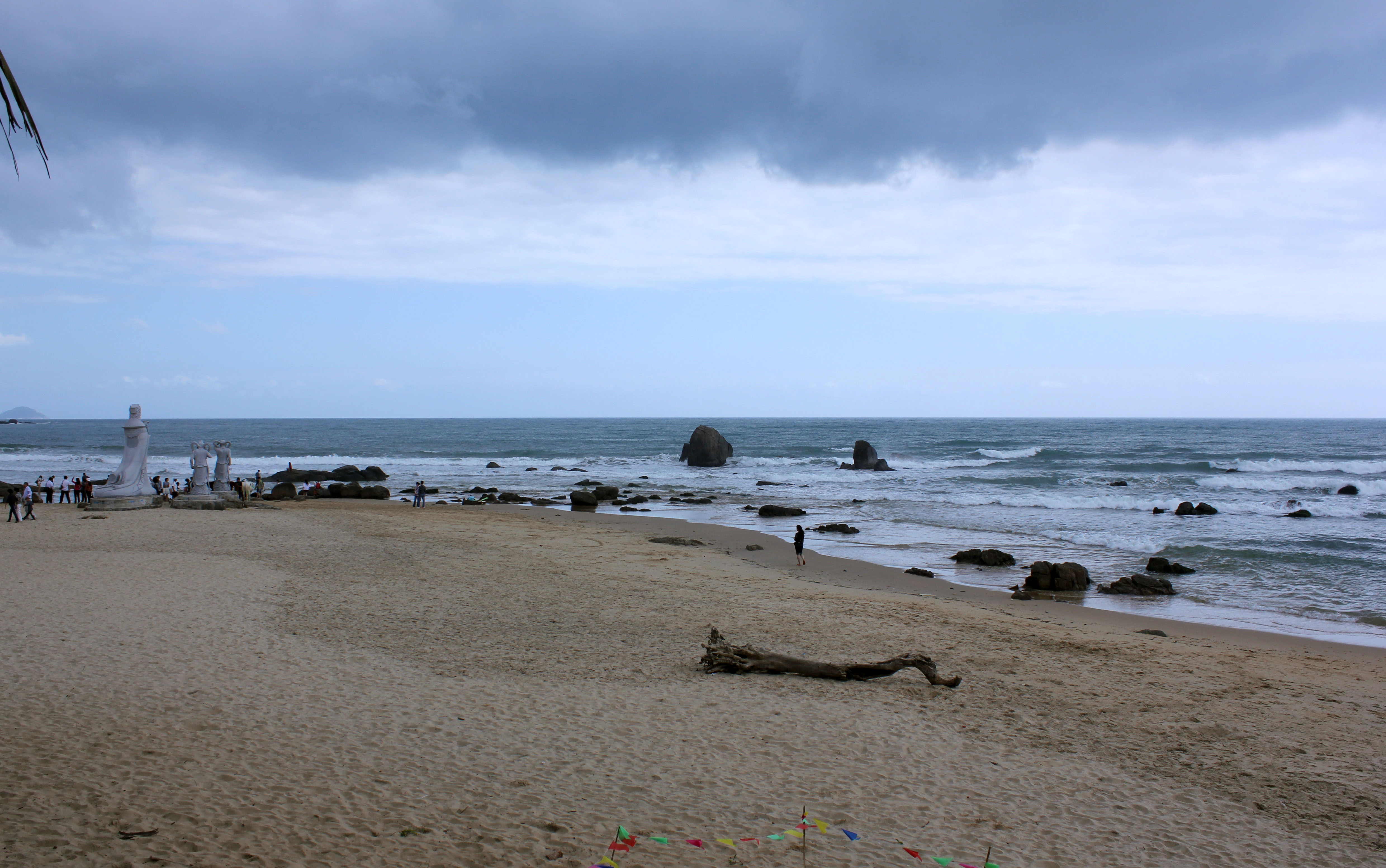
Wanning does not try to seduce everyone.
That may be why it lingers.
Sanya is easier to explain. Haikou is easier to justify. Wanning, by contrast, lives in the part of travel that sounds faintly unserious until you arrive: surfboards drying in the shade, a half-lazy coffee stand beside the sea, low voices after sunset, scooters leaning into salt wind, and a coastline whose value lies precisely in the fact that it has not been turned into an all-purpose national fantasy.
If you want the rest of our Wanning coverage in one place, start with the Wanning destination hub.
This guide is for readers who want a better answer to questions like these:
If your question is narrower, these pages may be the better tool:
Wanning is Hainan after the volume drops.
It is the island’s east-coast answer for travelers who want:
It is weaker when chosen only because it seems trendier than Sanya.
It becomes strong when the traveler actually wants what Wanning is good at: selectivity, looseness, and a beach town that still leaves a little blank space around the experience.
What makes Wanning interesting is not that it is untouched. That would be sentimental nonsense.
It is that development here never quite manages to flatten the coast into one single mood. The east side still keeps seams. Surf schools, apartment compounds, short cafe rows, roadside greenery, family cars, and practical lunch spots all sit close together, but they do not resolve into a perfect leisure script. The result is not glamorous in the usual sense. It is better than glamorous. It feels specific.
In Wanning, the sea keeps an equal vote.
Riyue Bay organizes attention in the same way the Bund organizes Shanghai or the old wall organizes Xi’an. People come for a wave report, a lesson, a photo, a friend, a coffee, a late afternoon, an excuse to spend half a day with no monument to prove it.
That matters, because it gives Wanning a center of gravity that is not monumental. The town gathers around behavior, not around spectacle.
You notice it in small ways: waxed boards, sunburned calves, slow breakfasts, damp towels in scooter baskets, Mandarin mixed with surfing English, and the peculiar patience of places where everyone knows the day depends on conditions no one controls.
This is not an argument against Sanya. Sanya does its job beautifully when the trip needs ease.
But Wanning belongs to a different sentence.
Sanya is a place where contemporary China built itself a tropical drawing room. Wanning feels more like a side veranda, where the collar opens, the shoes come off, and people stop trying so hard to look as if they are having the correct vacation.
That is why the city often appeals to repeat visitors, younger domestic travelers, surfers, photographers, and the sort of people who still care which cafe is near the beach rather than which property has the more commanding lobby.
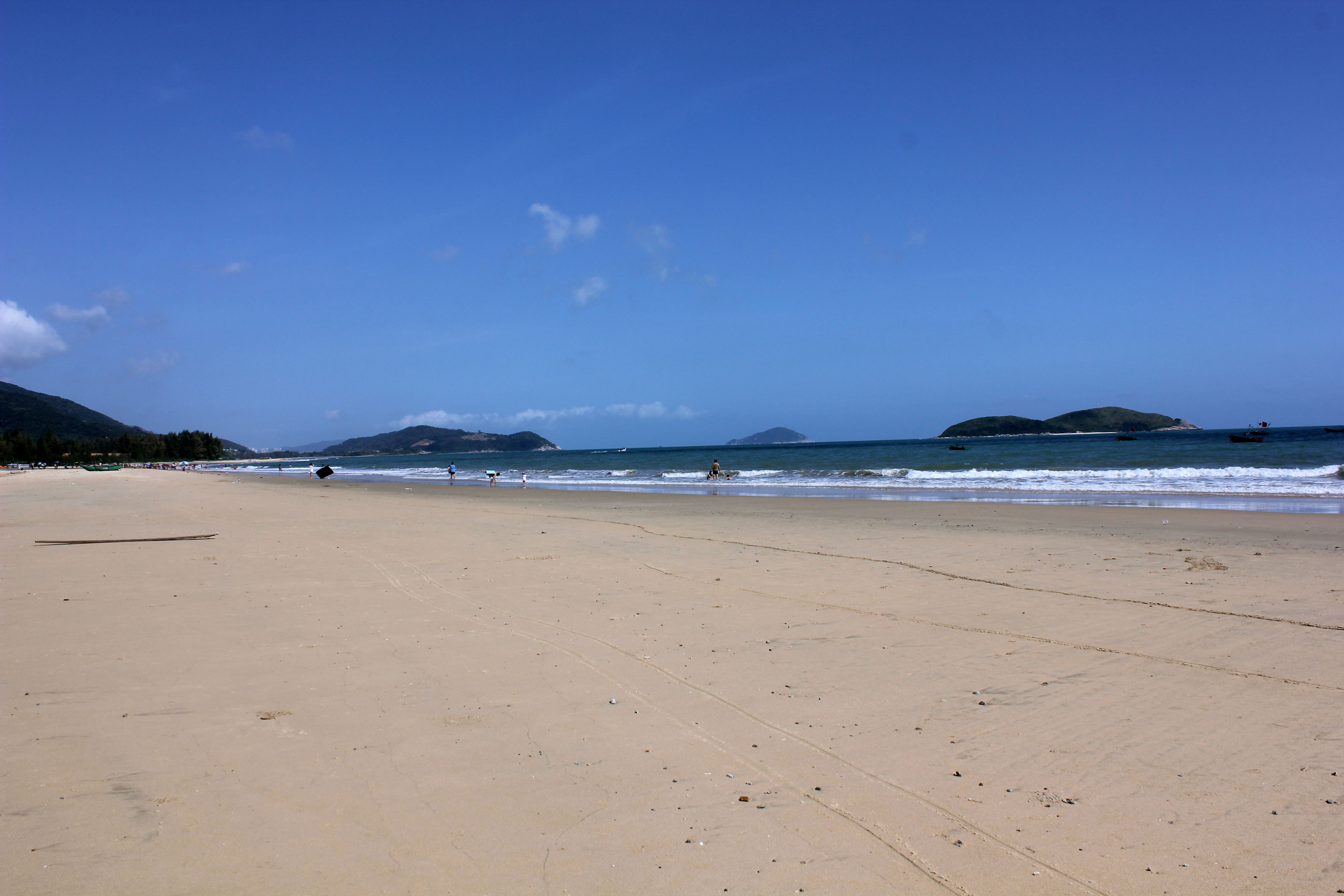
Shimei Bay complicates Wanning in the best way.
If Riyue Bay gives the city its pulse, Shimei Bay gives it breath. The coast opens out, the buildings retreat a little, the tropical vegetation comes forward, and the whole place acquires that rare thing in Hainan: reserve.
This is why Wanning can feel richer than it first appears. It is not only one surf-town image. It also has room for a slower, more spacious coast where the eye stops jumping from one branded cue to the next.
Many first trips to China carry a lot of density: stations, museums, big boulevards, timed entries, city weather, and the psychological pressure of wanting to understand everything.
Wanning offers the opposite reward. It asks you to understand less and feel more accurately. The pace is not slow in the decorative sense. It is slow because the day itself is built around tides, lessons, beach mood, appetite, and whether the weather invites you back out.
That makes Wanning unusually effective in a route that already has enough structure elsewhere.
People say they go to Wanning for surf.
Often they are really going for permission.
Permission to spend a day organized by weather rather than by obligations. Permission to let a coastline be slightly unfinished. Permission to accept that one beach, one coffee, one lesson, and one long evening can sometimes tell you more about a place than a crowded checklist ever could.
Wanning’s gift is not drama.
It is relief from over-definition.
Yes, but usually only if you still want the east coast for its mood. Wanning can work for non-surfers who like a looser beach chapter, but it becomes much stronger when the sea itself rather than a hotel compound is what shapes the day.
Wanning feels less polished, less sealed-off, and less organized around resort convenience. Its identity comes from Riyue Bay, smaller social scenes, and an east-coast rhythm that depends more on weather and less on choreography.
It works especially well for travelers who want beach time with edges still visible: surf students, repeat Hainan visitors, coffee-and-scooter types, and readers who care more about atmosphere than attraction count.
Publication Note
First published 7/16/2026 · Updated 7/16/2026
We revisit city guides when route logic, stay advice, or local assumptions shift enough to change the decision a reader might make.
Back To The City
The city page gathers stays, neighborhoods, pacing, and practical reads in one place.
Planning Support
When the city is clear but the pacing, hotel geography, or onward shape still is not, a fresh read often reveals the real sticking point.
About The Team
Wanning City Desk
The Wanning Editorial Desk maintains guides and planning coverage related to Wanning. Its focus is helping readers judge when Wanning is a real route identity rather than a fashionable detour, how Riyue Bay and Shimei Bay shape the east-coast stay, and when Hainan becomes stronger by loosening its resort script.
Wanning
Wanning is usually strongest when Hainan needs one east-coast identity built around Riyue Bay, slower beach time, or a surf-led day that actually matters.
Route Shape
Sanya is usually the best first Hainan base for travelers who mainly want beaches, resorts, and a shorter easier island chapter.
Transport And Timing
12306 is the official China Railway booking channel, but it works best once your route and station choices are already clear.