Haikou
Haikou, Arcade Shadows and Port Heat: Where Hainan Still Feels Like a City
Haikou carries arcade streets, port humidity, tea-time patience, and north-island pragmatism into a version of Hainan that feels civic before it feels touristic.
Reported city features, practical travel notes, and destination coverage across China.
Haikou
Haikou carries arcade streets, port humidity, tea-time patience, and north-island pragmatism into a version of Hainan that feels civic before it feels touristic.
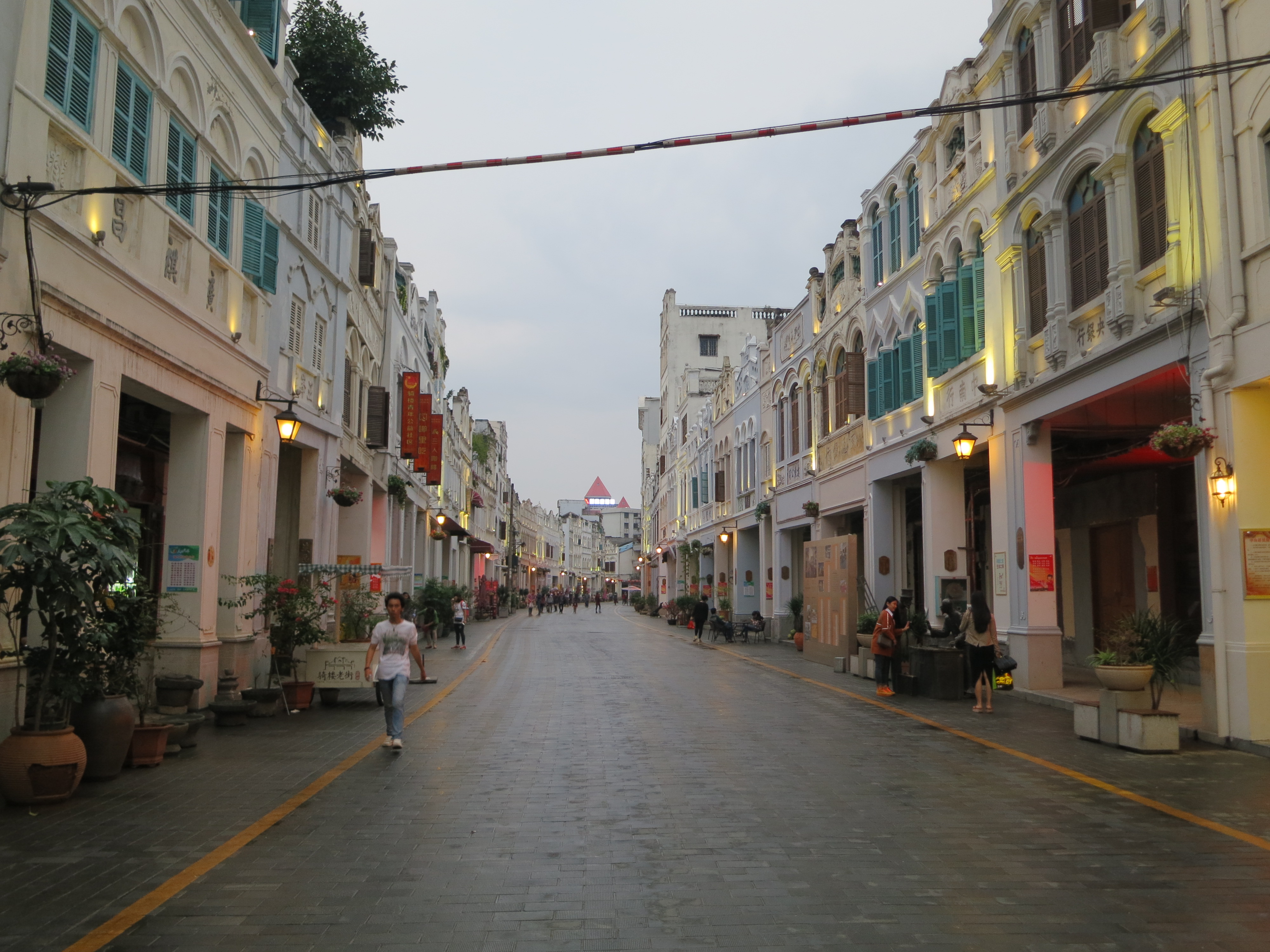
Haikou is what remains when you peel the resort skin off Hainan.
The sea is still there. The humidity is still there. Coconut palms still edge the roads. But the city keeps its attention elsewhere: arcade shadows, scooter noise, tea shops, market errands, old commercial streets, flight arrivals, and the practical business of being the island’s capital instead of its fantasy.
That is why Haikou can disappoint travelers looking only for glamour and delight those who prefer cities with weather in their lungs and trade in their bones.
If you want the rest of our Haikou coverage in one place, start with the Haikou destination hub.
This guide is for readers who want a better answer to questions like these:
If your question is narrower, these pages may be the better tool:
The strongest deeper Haikou stop usually balances three versions of the city:
If you only compare Haikou to Sanya, the city can look underlit.
If you read it on its own terms, it becomes one of Hainan’s better arguments for staying in the north at least once.
The first real lesson of Haikou is that architecture here had to bargain with weather.
The old arcades of Qilou were not built merely to charm photographers. They were built to negotiate heat, rain, commerce, and pedestrian life all at once. Shade matters differently in a place like this. Covered frontage is not ornament. It is a daily technology.
That is why Qilou remains the emotional center of the city even for travelers who know very little about it before arrival. The streets still explain what Haikou once was: a port of merchants, small shops, layered migration, and a southern urban grammar more tied to survival than to display.
This is one of Haikou’s strengths.
Too many tropical destinations begin to feel as if they were built entirely for visitors. Haikou never makes that mistake. The city still seems to belong first to people buying breakfast, commuting through damp mornings, meeting friends for tea, hauling goods, or waiting under awnings for rain to pass.
That civic ordinariness gives the city weight.
It is also what makes Haikou useful in a wider Hainan route. If Sanya is the island’s practiced ease, Haikou is its daily metabolism.
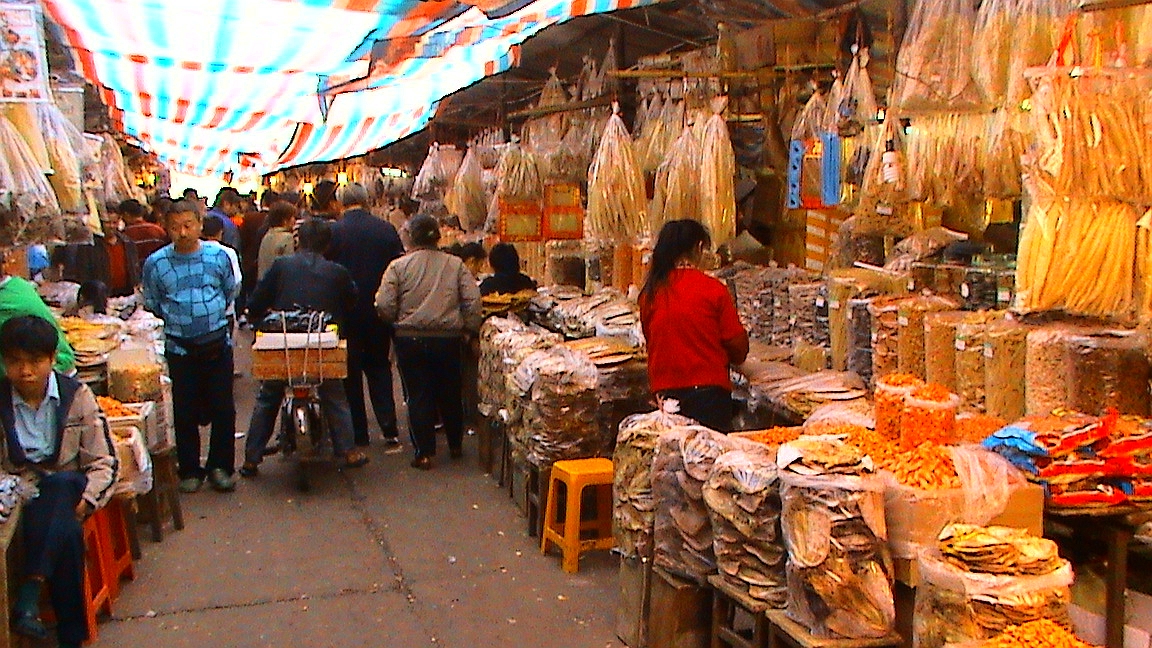
The mood of Haikou is flatter, slower, and less theatrically beautiful than the south coast, but often more breathable.
Even the commercial streets feel less tightly scripted. The city can absorb an aimless evening. It can handle a half-day built around one old block, one meal, and one stretch of weather. Travelers who enjoy port cities often recognize this quickly: Haikou is not trying to be your vacation wallpaper. It is trying to get through another humid day with dignity.
That makes it better company than it first appears.
Haikou is rarely the reason people first dream of the island.
It becomes valuable later, when the route needs one of three things:
Without that reason, Haikou can indeed become extra motion.
With that reason, it changes the island’s tone.
Haikou does not seduce by spectacle.
It works through shade, repetition, appetite, and the old-fashioned pleasure of a city still carrying on with itself.
In a province often sold through palms and polished compounds, that is no small thing.
No. Haikou can be a real stop when you want old-port atmosphere, arcade streets, food, and a broader island rhythm rather than a pure resort handoff.
Haikou is older, flatter, more civic, and less resort-led. Its interest comes from Qilou streets, humidity, tea-time pace, practical commerce, and the feeling of a city that still belongs primarily to daily life.
It works especially well for travelers who like old urban fabrics, coastal trade history, food-led evenings, and destinations that reveal themselves through ordinary texture rather than spectacle.
Publication Note
First published 7/16/2026 · Updated 7/16/2026
We revisit city guides when route logic, stay advice, or local assumptions shift enough to change the decision a reader might make.
Back To The City
The city page gathers stays, neighborhoods, pacing, and practical reads in one place.
Planning Support
When the city is clear but the pacing, hotel geography, or onward shape still is not, a fresh read often reveals the real sticking point.
About The Team
Haikou City Desk
The Haikou Editorial Desk maintains guides and planning coverage related to Haikou. Its focus is helping readers understand when Haikou should be treated as a real stop, how Qilou and the older city fit into a broader Hainan route, and when a north-to-south island sequence is stronger than a pure resort handoff.
Haikou
Haikou is usually worth it when the island should feel broader than one resort stay and the route wants a north-Hainan city layer.
Route Shape
Sanya is usually the best first Hainan base for travelers who mainly want beaches, resorts, and a shorter easier island chapter.
Route Shape
Hainan is strongest as a tropical reset, resort stay, or softer final chapter, not as a substitute for China's main first-trip city and history layers.