Dali
Dali, Wind Off Erhai and the Art of Not Being in a Hurry
Dali is not just an old town for postcards but a wide Yunnan basin of white walls, Bai courtyards, migrant reinvention, lake wind, and the serious pleasure of leaving room in the day.
Reported city features, practical travel notes, and destination coverage across China.
Dali
Dali is not just an old town for postcards but a wide Yunnan basin of white walls, Bai courtyards, migrant reinvention, lake wind, and the serious pleasure of leaving room in the day.
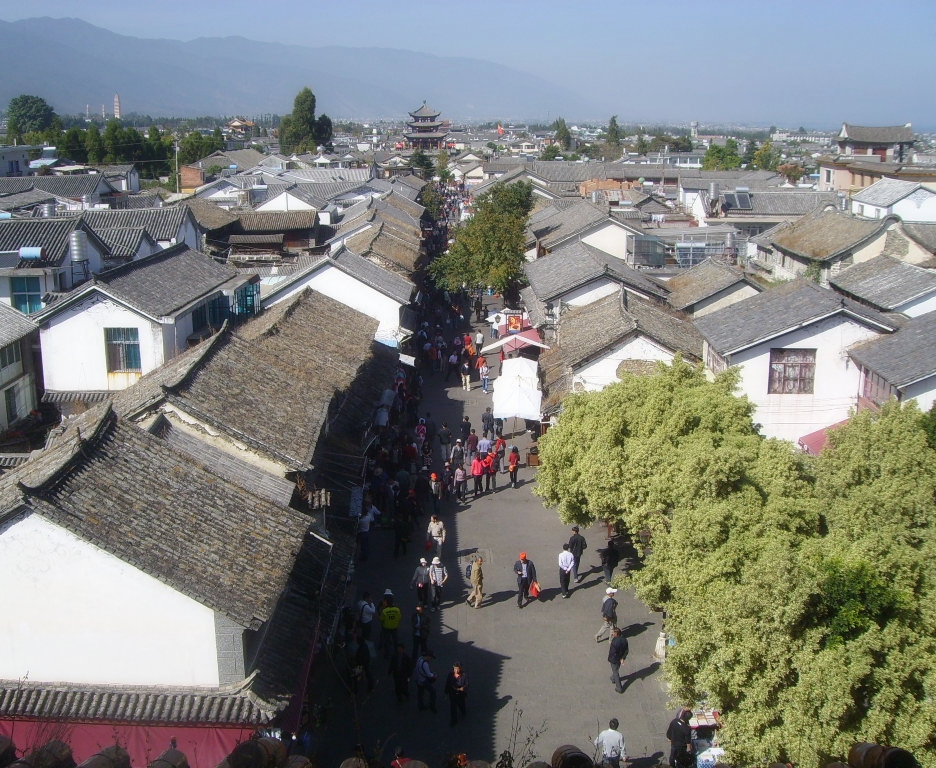
Dali does not grab you by the collar.
It persuades by dispersion.
The white walls do some of the work, of course. So do the tiled roofs, the gates, the mountain behind the basin, the sweep of Erhai catching and throwing back light. But the deeper appeal of Dali lies in what never fully condenses into one landmark. A market lane. A patch of vegetables outside town. A guesthouse courtyard still damp from morning washing. A rider with a crate tied to the back of a scooter. A cafe full of people who came for a week and somehow stayed through a season.
If you want the rest of our Dali coverage in one place, start with the Dali destination hub.
This guide is for readers who want a better answer to questions like these:
If your question is narrower, these pages may be the better tool:
The strongest deeper Dali trip usually balances three versions of the place:
If you only ask whether the city is scenic, you miss it.
If you ask whether it can be lived in, even briefly, Dali starts to become much harder to leave.
This is the difference that matters.
Many famous travel cities in China pull the eye inward. Their beauty depends on concentration: one skyline, one lane system, one preserved quarter, one emotional argument made again and again until it wins.
Dali works by loosening the frame.
The old town is important, but it is not sovereign. The city keeps opening outward into fields, side roads, village rhythms, and the long bright fact of Erhai. You can stand under a gate, turn a corner, and almost immediately feel that the place is not trying to trap you inside its prettiest image. That generosity of space is part of its character.
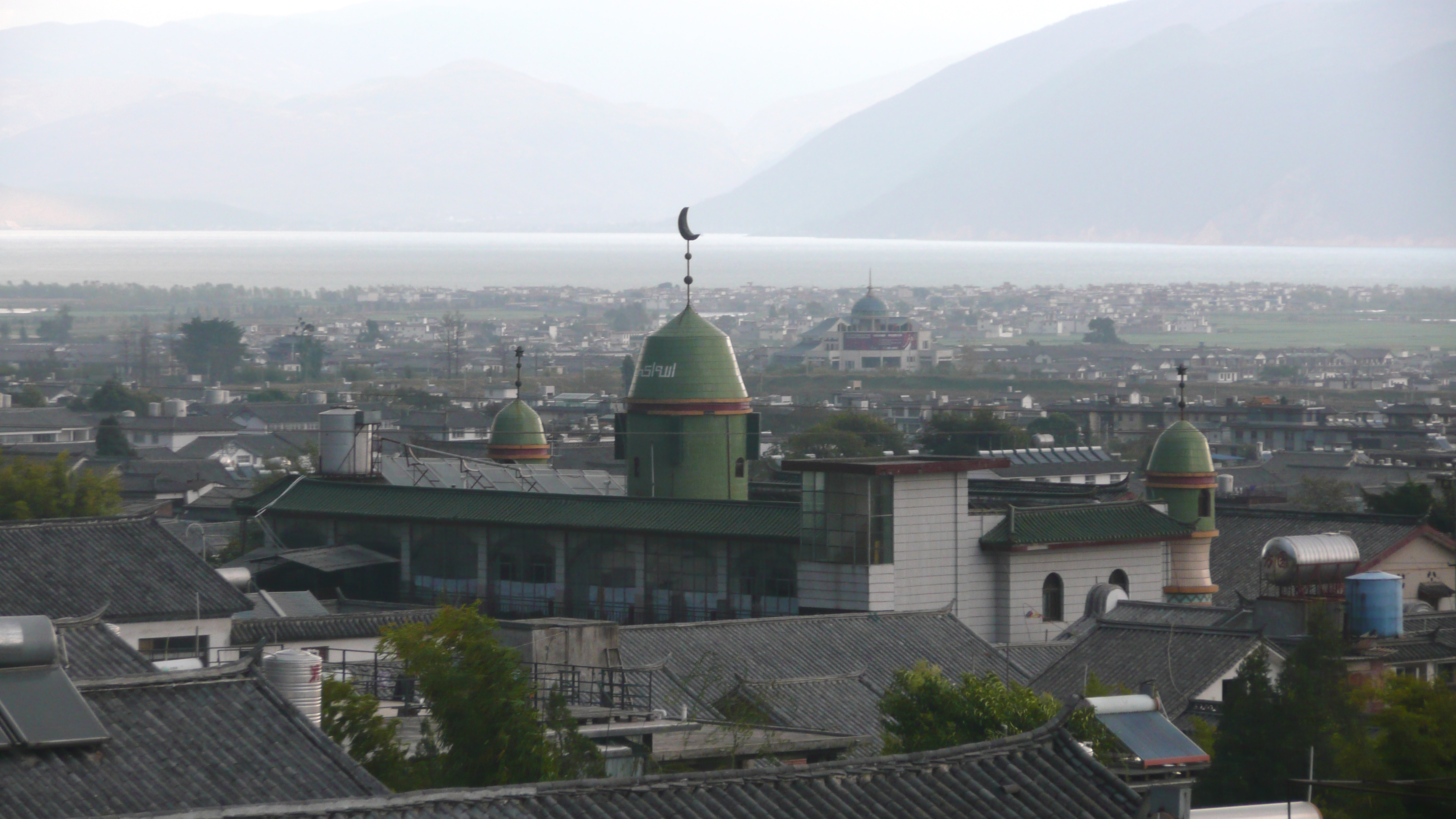
Erhai is not simply a lake beside the city. It is the city’s emotional regulator.
It alters the scale of appetite. You stop thinking in terms of one more attraction and begin thinking in terms of whether the light is better now or later, whether this shoreline is windier than the last, whether lunch belongs in town or somewhere farther out where the view is broader and conversation has less urgency.
That shift is why Dali feels so restorative to people who arrive from harder Chinese cities. The basin does not demand a full surrender to nature. It simply makes haste look faintly foolish.
Dali is one of the places in China where urban fatigue has learned to dress itself as lifestyle.
People come here after years in Beijing, Shanghai, Shenzhen, and Guangzhou carrying plans that sound temporary and slowly become semi-permanent. They open cafes, make ceramics, rent old courtyards, trade ambition for flexibility, or at least tell themselves that is what they are doing. Some succeed. Some merely import a softer version of the pressure they meant to escape. But all of it enters the city’s atmosphere.
This matters, because it gives Dali a contemporary social layer beyond heritage prettiness. The place is not preserved under glass. It is constantly being re-inhabited by people trying to renegotiate what a life should feel like.
There is a stale way of criticizing Dali: too many shops, too many guesthouses, too much coffee, too many people selling the dream of a slower life.
This is true in the same way it is true of almost every desirable city on earth.
The better question is whether real life still passes through the surfaces. In Dali, it does. Deliveries still arrive. Vegetables still move. Children still cross lanes. The old town still empties and cools at certain hours. The dream may be marketable, but it has not entirely hollowed out the place selling it.
That is enough. More than enough, often.
This is not an argument against Lijiang. Lijiang is beautiful in a more concentrated way.
But Dali belongs to another sentence.
It offers less theatrical payoff and more durability. The city is not always dazzling in the first twenty minutes. It becomes persuasive by the second morning, the late lunch, the extra loop by the lake, the realization that your shoulders have finally dropped an inch without permission.
That is why some travelers who admire Lijiang still end up preferring Dali. Preference is not always about intensity. Sometimes it is about where the self stops bracing.
Not every traveler is good at places like this.
Some people need cities to declare their value loudly. Dali does not. It expects a little receptivity, a little tolerance for drift, a little confidence that a day can be full even if nothing spectacular is crossed off.
That is not laziness. It is a different standard of attention.
To sit by the lake and keep noticing the shifts in weather, the boats, the wavering reflections, the changing color on the mountain line, the way afternoon thins into evening without any dramatic edit: this too is a form of seriousness. Dali quietly insists on it.
Many first trips to China are packed too tightly. They gather stations, reservations, museum windows, long transfers, and the low hum of always being slightly behind one’s own plans.
Dali offers relief without collapse.
It is still structured enough to feel like a destination. There is food to seek, streets to learn, villages to visit, and a basin to read. But the city gives back time instead of constantly taking it. That makes it unusually powerful in a route already carrying enough weight elsewhere.
People say they go to Dali for scenery.
Often they are really going for permission.
Permission to stop upgrading the day. Permission to let open space count as substance. Permission to discover that a city can be memorable not because it struck the hardest blow, but because it widened the chest and slowed the pulse long enough for something gentler to register.
Dali’s great intelligence is that it never mistakes gentleness for insignificance.
That is why the city lasts.
No. The old town is the easiest entry point, but Dali becomes more interesting once travelers notice the wider basin: Erhai Lake, Bai villages, long agricultural edges, mountain weather, and the social life created by people who chose to stay longer than planned.
Dali feels wider, less theatrical, and more breathable. Where Lijiang often gathers attention inward, Dali lets it drift outward across the lake, the villages, and the slower routines that have made the city a refuge for people tired of sharper urban tempo.
It works especially well for travelers who enjoy places with emotional margin: lake wind, small guesthouses, villages with actual life in them, and cities where doing less is not treated as failure.
Publication Note
First published 7/16/2026 · Updated 7/16/2026
We revisit city guides when route logic, stay advice, or local assumptions shift enough to change the decision a reader might make.
Back To The City
The city page gathers stays, neighborhoods, pacing, and practical reads in one place.
Planning Support
When the city is clear but the pacing, hotel geography, or onward shape still is not, a fresh read often reveals the real sticking point.
About The Team
Dali City Desk
The Dali Editorial Desk maintains guides and planning coverage related to Dali. Its focus is helping readers judge when Dali should act as a restorative Yunnan base, how Erhai Lake, Cangshan, Bai architecture, and village life shape the wider basin, and why the city often works best for travelers who want atmosphere, space, and a more lived-in form of beauty rather than pure checklist momentum.
Dali
Dali is usually strongest when Yunnan needs breadth, softness, and lake-centered rhythm rather than immediate altitude or constant route escalation.
Transport And Timing
12306 is the official China Railway booking channel, but it works best once your route and station choices are already clear.
Route Shape
The strongest 10-day China bullet train route for first-time visitors usually keeps to three main stops, not four major cities fighting for the same trip.