Key Takeaways
- Five days is enough for a strong Chengdu version if the trip protects one panda morning, one slower tea-and-neighborhood day, and one real evening structure.
- Days 6 and 7 should add either a deliberate Sichuan branch or deeper city texture, not extra filler attractions.
- A longer Chengdu trip works best when the city’s pace stays gentle and evenings remain part of the plan.
- The real value of a 5- to 7-day Chengdu stay is not more names. It is letting pandas, tea houses, food, and culture all have room without rushing each other.
Chengdu is one of the few big Chinese cities where a longer stay often makes the trip gentler instead of heavier.
At two or three days, Chengdu can feel like pandas plus food. At five to seven days, it starts to feel complete: pandas, tea houses, slower neighborhood time, one proper old-street or cultural day, stronger evening choices, and enough breathing room that the city’s relaxed identity actually gets to show up.
If you want the broader planning layer behind this route, keep the Chengdu destination hub open too. If the live question still is whether Chengdu deserves this much time, start first with How Many Days in Chengdu for First-Time Visitors.
Who this longer Chengdu itinerary is best for
This version works best if:
- Chengdu is a real destination, not only the stop between Xi’an and Chongqing
- you care about food, tea, and city rhythm as much as headline attractions
- you want one or two slower days that would feel impossible on a tighter itinerary
- you may want one selective Sichuan branch without turning Chengdu itself into a missed opportunity
If the stay still may collapse back to three days, A Practical 3-Day Chengdu Itinerary for First-Time Visitors is the cleaner default. If Chengdu still is competing with other route anchors, step back first to Chengdu Travel Guide for First-Time Visitors.
Why 5 to 7 days in Chengdu can work so well
Longer Chengdu stays fail when travelers start adding random side trips or old streets just because they have time.
They work when the extra days are used for:
- a proper panda morning and a good second half of the day
- one tea-house and neighborhood day that is not rushed
- one cultural day that feels calmer than a megacity monument day
- one food-and-evening layer that is strong enough to feel memorable
- one optional Sichuan branch only after the city itself already feels complete
That is the difference between more days and a fuller Chengdu.

Before Day 1
This itinerary gets easier if you settle four things first:
If Chengdu is being reached from Xi’an and the live route question still is whether that contrast works well enough to justify a longer stay, use Xi’an to Chengdu by High-Speed Rail: Is This China’s Best Contrast Route?.
The classic 5-day core
Think of this page as one strong 5-day Chengdu structure, plus Days 6 and 7 only when they genuinely improve the trip.
Day 1: Arrive gently and let the city open through food and central rhythm
Keep the first day light.
The strongest opening usually is:
- settle into the hotel area
- use Chunxi Road and Taikoo Li or a nearby central block for orientation
- protect one easy food-led first night
This should not be the day that proves how much you can do. It should be the day that makes Chengdu feel easy.
If the dinner district already is clear, use Where to Eat Near Chunxi Road and Taikoo Li in Chengdu for First-Time Visitors. If the live question is whether the evening itself deserves more ambition, the better support page is Chunxi Road and Taikoo Li After Dark: What Is Actually Worth Your Evening.
Day 2: Protect the panda morning and keep the second half flexible
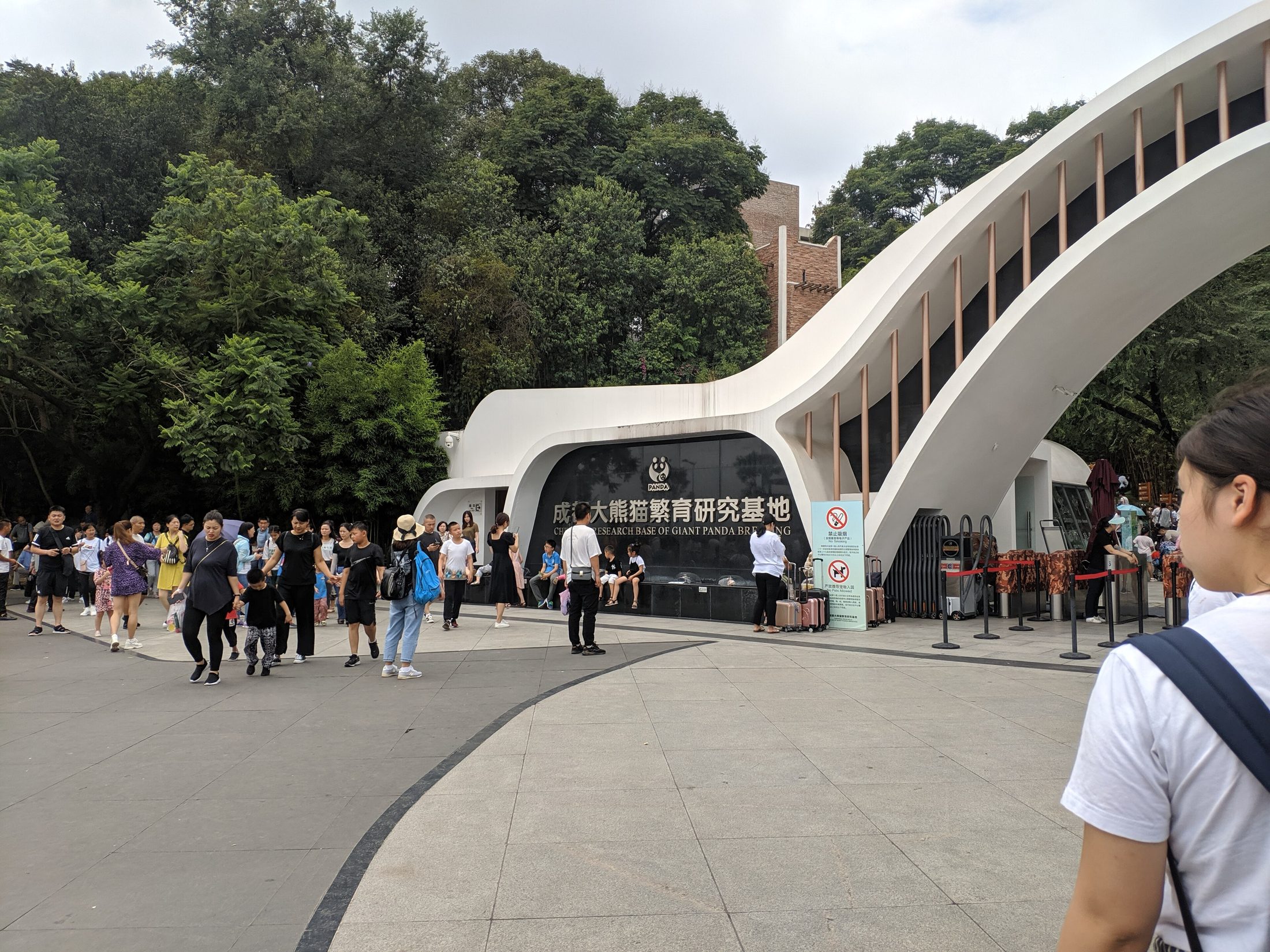
This is the clearest day for the Chengdu Research Base of Giant Panda Breeding.
The key is not only seeing pandas. The key is not letting the panda morning wreck the rest of the day.
The cleanest Day 2 shape is:
- panda base in the morning
- one softer central or tea-led branch later
- an easy dinner instead of a hard second commitment
If the post-panda decision still is open, use What to Do After Chengdu Panda Base for First-Time Visitors, Should You Go to People’s Park After Chengdu Panda Base?, and Should You Go to Wenshu Monastery After Chengdu Panda Base?.
Day 3: Tea houses, parks, and the slower Chengdu people actually remember
This day should feel slower than Day 2.
Good Day 3 versions usually combine:
- People’s Park
- one tea-house block
- one softer lunch or snack structure
- one neighborhood-led continuation rather than a hard ticket
If the real goal is not one attraction but one true Chengdu half day, the best support pages are Where to Drink Tea in Chengdu for First-Time Visitors and How to Plan a Chengdu Breakfast and Tea Half Day for First-Time Visitors.
This is also the cleanest place to use Pengzhen Old Teahouse only if you genuinely want the rougher older tea-room branch and have the time for it.
Day 4: Chengdu’s cultural layer without rushing it
This is where a longer Chengdu stay starts to feel different from the 3-day version.
Good Day 4 directions include:
If the old-street question already is live, use Kuanzhai Alley or Jinli: Which Chengdu Old-Street Area Is Better for First-Time Visitors?. If the museum branch still is unclear, use Best Museums in Chengdu for First-Time Visitors.
Day 5: Yulin, Jiuyanqiao, or one real final-night Chengdu mood
Day 5 should make Chengdu feel personal, not generic.
The strongest versions usually are:
- Yulin for bars, cafes, and neighborhood rhythm
- Jiuyanqiao if one river-and-night branch matters
- one deliberate tea-and-food day that ends with the city’s best dinner
- one queer-friendly or nightlife-led evening if that is part of why Chengdu appealed in the first place
If the live search already is not general nightlife but a more specific comfort-and-community question, use Is Chengdu Safe for Gay Travelers and Where Should You Go Out at Night? and Where to Go in Chengdu for Queer-Friendly Nightlife, Drag Shows, and Club Nights.

How to use Day 6 well
Day 6 should deepen the trip, not flatten it.
Three strong Day 6 shapes are:
The key is to pick one appetite:
- archaeology and history
- mountain or heritage side trip
- slower city texture
- another stronger food-and-evening branch
How to use Day 7 well
Day 7 is the luxury day.
It should either be the most personal day or the easiest day.
Good Day 7 uses include:
If the trip already feels complete by Day 6, Day 7 should be the first thing you simplify.
Two classic versions of a longer Chengdu trip
Version A: Classic city-plus-culture Chengdu
Lean harder into:
- pandas
- Wuhou Shrine or Wenshu
- tea houses
- museums
- one traditional-core branch
Keep the nightlife and side-trip layer lighter.
Version B: Food, neighborhood, and softer Sichuan Chengdu
Lean harder into:
- pandas
- Yulin
- Jiuyanqiao
- breakfast and tea half days
- one selective side trip only if it still fits the city’s pace
This version usually works better for travelers who want Chengdu to feel lived in rather than only toured.
What to cut first if you only keep 5 days
Cut in this order:
- Day 7 luxury layer
- Day 6 side-trip or deeper branch
- duplicated old-street or shopping time
Do not cut:
- the panda morning
- one tea-house and slower city day
- one real evening or food-led layer
Common mistakes on a 5- to 7-day Chengdu trip
- turning every extra day into a day trip
- forcing too many old streets that solve the same problem
- leaving evenings vague even though they are part of Chengdu’s main payoff
- treating the city like it needs a monument-heavy checklist to justify a longer stay
- letting the panda day become the whole story
Which page to read next
FAQ
Is 5 days enough for Chengdu?
Yes. Five days is enough for a rich first Chengdu trip if you protect one panda morning, one slower tea-house and neighborhood day, one stronger food-and-evening structure, and one optional cultural or side-trip branch.
What should Days 6 and 7 in Chengdu be used for?
Use them for a selective Sichuan side trip such as Dujiangyan or Sanxingdui, or for deeper city texture like tea houses, museums, Yulin, and a slower final day.