Key Takeaways
- For many first-time visitors, Nanshan Yikeshu is worth it as a second or final skyline branch, especially when the trip already has one classic riverfront night.
- It is usually strongest when the goal is one higher panoramic memory rather than one more dinner district or low-friction central evening.
- Nanshan Yikeshu is often weaker on a very short stay, in poor weather, or when the route still lacks its easiest classic skyline anchor.
- The best Yikeshu visit usually comes from treating it as one clear panoramic mission, not as a side trip attached to too many other nighttime stops.
Nanshan Yikeshu is one of Chongqing’s best examples of a place that becomes stronger once the rest of the trip is already disciplined.
On the wrong route, it can feel like too much effort for one more skyline stop.
On the right route, it can become the single biggest panorama of the whole stay.
Who this is for
Use this page if you are deciding:
- whether Nanshan Yikeshu deserves one of your limited Chongqing nights
- whether it is better than
Nanbin Road, Hongyadong, or a Two Rivers cruise
- when a higher panoramic viewpoint improves the trip more than another riverfront block
- how much time and energy this viewpoint should control
If the broader skyline question still is open, start one level up with Where to Get the Best Chongqing Skyline Views for First-Time Visitors.
The short answer
For many first-time visitors, yes, Nanshan Yikeshu is worth it.
It is usually worth it when:
- the trip already has one classic skyline-core answer protected
- you want one fuller whole-city panorama
- the weather is good enough to reward the extra effort
- the group still has energy for one viewpoint-led evening
It is usually less worth it when:
- Chongqing is only a fast
2-day stop
- the route still lacks an easier
Hongyadong-style skyline answer
- the weather is poor
- the group really wants a dinner district more than a viewpoint
The practical rule is simple:
for many first-time visitors, Yikeshu is a strong upgrade skyline answer, not the default skyline answer.
Why Nanshan Yikeshu matters
Some Chongqing views are about being inside the city lights.
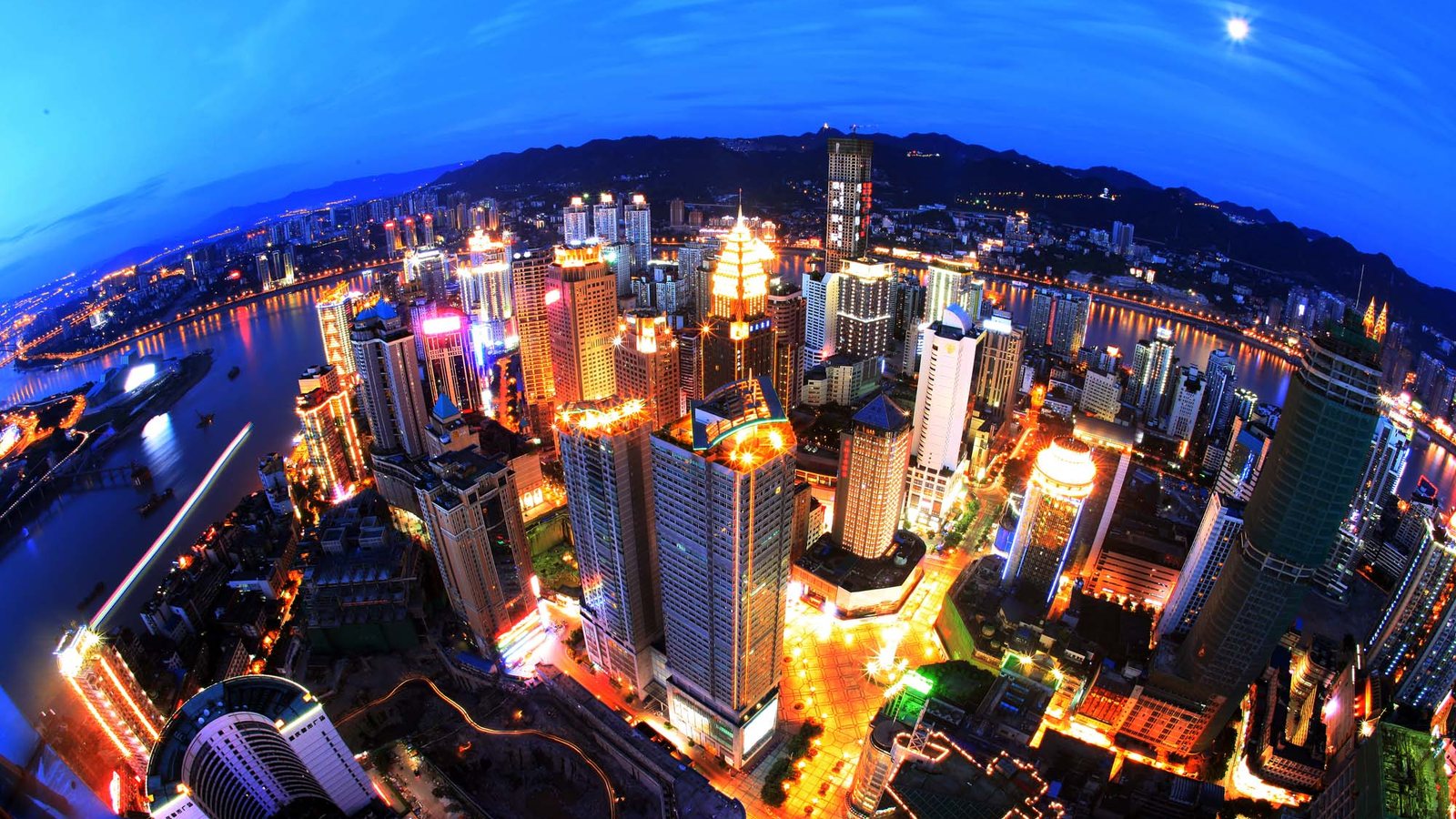
Yikeshu is about stepping back far enough to understand the city as a whole.
That matters because the payoff is different:
- not just one famous facade
- not just one street-level riverfront walk
- but one panoramic sense of how the rivers, bridges, and layered core all fit together
That is why it can feel more complete than another central-core repeat.
What you are really saying yes to
You usually are not saying yes to:
- the easiest skyline option
- the most flexible night
- a district where dinner and wandering naturally solve themselves
You usually are saying yes to:
- one panoramic skyline mission
- one effortful but higher-payoff viewpoint
- one second or final-night visual answer
That difference is important.
When is Yikeshu better than Hongyadong?
For many first-time visitors, Hongyadong is the stronger classic first skyline answer and Yikeshu is the stronger panoramic second skyline answer.
Yikeshu usually beats Hongyadong when:
- the trip already has one central-core skyline night
- you want the whole-city panorama more than another iconic street-level view
- the route needs contrast rather than repetition
Hongyadong usually beats Yikeshu when:
- this is your only main skyline decision
- the stay is short
- you want the easiest default
If that classic skyline anchor still is not settled, the narrower page is Hongyadong in Chongqing: Is It Worth It for First-Time Visitors?.
When is Yikeshu better than Nanbin Road?
For many first-time visitors, Yikeshu is the stronger view-first answer and Nanbin Road is the stronger scenic-evening answer.
Yikeshu usually beats Nanbin Road when:
- the panorama itself is the point
- you want one bigger visual memory
- dinner matters less than the viewpoint
Nanbin Road usually beats Yikeshu when:
- you want a slower dinner-and-walk night
- the trip needs atmosphere more than one higher platform
- the group would rather wander than make a more singular viewpoint effort
If that scenic-night decision still is live, the narrower place page is Nanbin Road in Chongqing: Is It Worth It for First-Time Visitors?.
When is Yikeshu better than a Two Rivers cruise?
For many first-time visitors, Yikeshu and the cruise solve different problems.
Choose Yikeshu if you want:
- one higher viewpoint
- one whole-city panorama
- one more photographic or reflective finish
Choose the cruise if you want:
- the night itself to feel like the event
- a more celebratory skyline session
- less pure viewpoint logic and more full-evening structure
If that exact comparison still is the live one, the narrower page is Two Rivers Cruise in Chongqing: Is It Worth It for First-Time Visitors?.
Who should prioritize Yikeshu most?
Yikeshu is usually strongest for:
- visitors with
3 days or more
- readers who know one riverfront skyline night will not feel complete enough
- travelers who care about a fuller panoramic understanding of the city
For those readers, Yikeshu often deepens Chongqing more honestly than one more random supporting sight.
Who can skip it more safely?
You can skip or downplay Yikeshu more safely if:
- the city is a short stop
- the trip already has one strong skyline-core night and one scenic alternative
- the weather is weak
- the group values food and atmosphere more than panoramic viewpoints
Skipping it does not weaken Chongqing if the city already has another skyline layer that was actually used well.
How much time should you give Yikeshu?
Usually one controlled evening block.
The strongest version often is:
- choose the viewpoint as the main reason for that evening
- keep the rest of the night simple
- stop once the panoramic payoff is complete
What usually works worse is:
- stacking it after another already-full skyline night
- attaching too many extra districts to the same evening
- treating it as one more optional stop instead of a distinct skyline choice
Is it better on a 2-day or 3-day Chongqing trip?
It can work on both, but it is much easier to justify on 3 days.
On a 2-day Chongqing trip
Yikeshu is often optional.
It works best if:
- the route already is very clear
- you know the trip wants a panorama more than another dinner district
- visibility is good enough to justify the effort
Otherwise, I would usually protect the easier classic skyline answer first.
On a 3-day or 4-day Chongqing trip
This is where Yikeshu becomes much more attractive.
The trip has room for:
- one classic skyline-core session
- one second distinct skyline branch
That second branch is exactly where Yikeshu often earns its place.
What usually makes Yikeshu disappointing?
Yikeshu often goes wrong when travelers:
- use it before locking in the easier classic skyline answer
- go in poor visibility
- expect it to behave like a whole nightlife district
- force it onto the most tiring night of the trip
The best Yikeshu visits usually come from choosing it for the right job, not from giving it prestige because it sounds panoramic.
Common mistakes
- making Yikeshu your only skyline plan on a short first trip
- choosing it when what you really want is a scenic dinner
- forcing it in weak weather
- stacking it with too many other night-view missions
Which page to read next
Before You Go
- Protect your easiest classic skyline answer first before upgrading to a higher panoramic branch.
- Use Yikeshu when weather and visibility are good enough to reward the extra effort.
- Treat it as one skyline decision, not one extra add-on after a full overloaded night.
- Keep the return trip in mind because the value falls fast when everyone already is tired.
FAQ
Is Nanshan Yikeshu worth visiting for first-time visitors to Chongqing?
For many first-time visitors, yes, especially if the trip already has one classic skyline night and now wants one bigger panoramic whole-city view.
Should I do Nanshan Yikeshu or Nanbin Road?
For many first-time visitors, Nanshan Yikeshu is the better higher panoramic viewpoint, while Nanbin Road is the better scenic dinner-and-walk night. The stronger choice depends on whether you want the view itself or the evening atmosphere around it.