Place Guide
Jinli in Chengdu: Is It Worth Visiting on a First Trip?
Decide whether Jinli is worth your time, when it works best, and how to fit it into a first Chengdu trip without mistaking one atmospheric old street for the whole city.
Practical travel planning for first-time visitors to China.
Place Guide
Decide whether Jinli is worth your time, when it works best, and how to fit it into a first Chengdu trip without mistaking one atmospheric old street for the whole city.
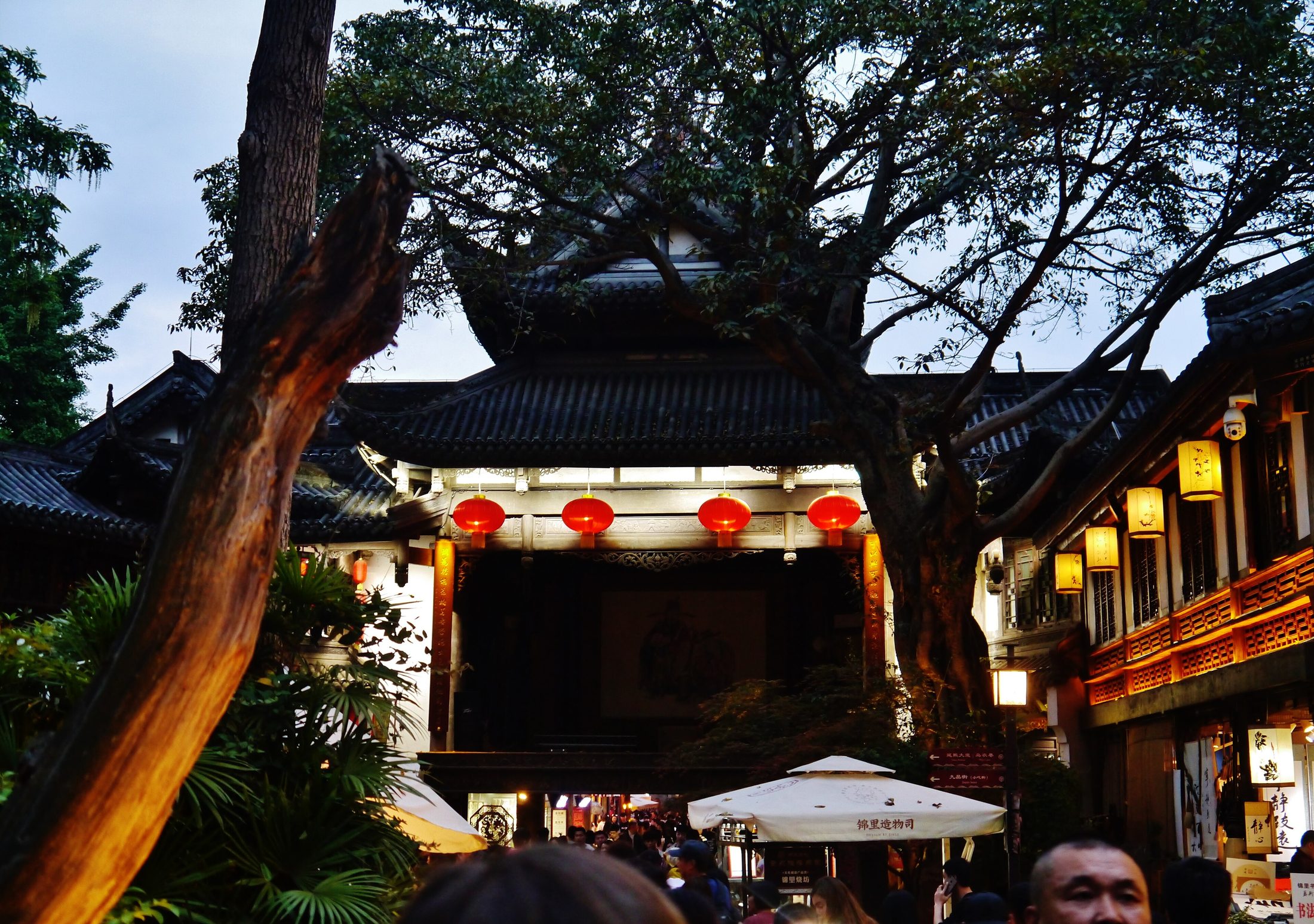
Part Of The Cluster
The strongest place pages help travelers decide how much time to give a place, what to book early, and how to connect it back to the city route instead of treating it like an isolated checklist stop.
Jinli is one of the easiest Chengdu places to enjoy and one of the easiest to overuse.
That sounds contradictory, but it is exactly why the page matters.
Jinli can absolutely improve a first Chengdu trip. It often gives travelers one attractive traditional-core walk, one snack-heavy old-street stop, and one evening that feels visibly different from the city’s slower tea-house or neighborhood rhythm.
But it does not need to become the whole identity of Chengdu.
Use this page if you are asking:
If the broader city still feels too loose, keep Chengdu Travel Guide for First-Time Visitors and Best Things to Do in Chengdu for First-Time Visitors open too.
Jinli is usually worth it when:
Wuhou ShrineIt is usually less worth protecting if:
For many first-time visitors, Jinli is worth using well, not overbuilding.
Jinli usually works best for:
It is usually weaker for:
That matters because travelers often enjoy Jinli most when it stays in the right role.
Jinli is strongest when:
Wuhou ShrineIt often improves the trip less when:
For many first-time visitors, Jinli usually works with:
1 hour for a faster walk and quick look1.5 to 2 hours if you want snacks, photos, or a slower old-street eveningIt usually does not need half a day unless the rest of the route is intentionally extremely light.
For most first-time visitors, Jinli is usually more useful in the late afternoon or evening than as a protected daytime attraction.
That is because it often works best as:
Wuhou Shrine blockIt can still work earlier in the day, but many travelers feel its value more clearly once the route already has historical context and the stop becomes mood rather than obligation.
If the real question is no longer whether Jinli is worth a stop, but which evening should stay traditional, modern, or more local, the narrower next page is What to Do in Chengdu at Night for First-Time Visitors.
These are often compared, but they solve different trip problems.
Choose Jinli if:
Wuhou Shrine already belongs in the routeChoose Kuanzhai Alley if:
That is why Jinli often is the better paired choice, while Kuanzhai Alley often is the easier standalone choice.
If that comparison still is the real decision, the next page is Kuanzhai Alley in Chengdu: Is It Worth Visiting on a First Trip?.
This is the comparison many first-time visitors should make more honestly.
Choose Jinli if:
Choose Yulin, Jiuyanqiao, or another more local evening if:
That is often the better answer on longer Chengdu trips, especially once one traditional block already exists.
Jinli usually works best in one of these slots:
Wuhou ShrineIt often works less well when:
For many travelers, the best use is simple: let Jinli complete a traditional-core block, then let the rest of Chengdu be something broader.
Jinli often disappoints when travelers:
Wuhou Shrine even though that pairing is often its strongest shapeUsually yes, especially if you want one traditional-core walk or an easier evening continuation after Wuhou Shrine. It is often best used as a shorter supporting stop rather than a headline attraction.
Many first-time visitors do well with about 1 to 2 hours, depending on whether they only want a walk or also want snacks, photos, and a slower evening pace.
They solve different problems. Jinli is often better when the trip already includes Wuhou Shrine or wants a more traditional-core evening, while Kuanzhai Alley is often easier as a shorter central atmosphere stop.
food-led trips
Chengdu is a strong city for travelers who want food culture, a slower urban pace, panda-related attractions, temple-and-old-street culture, lively shopping and nightlife districts, and an easy gateway to Sichuan trips.
Chengdu
Decide whether Chengdu Museum deserves real time, when it is the best museum choice on a first trip, and how it compares with Sichuan Museum or no museum at all.
Chengdu
Decide whether Chengdu's panda base deserves one of your best mornings, who gets the most value from it, and how much it should control the rest of the day.
Chengdu
Decide whether Chunxi Road and Taikoo Li deserve real time in Chengdu, when they work best, and how to choose them against Yulin, Jiuyanqiao, or Jinli.
Chengdu
Plan a first trip to Chengdu with practical advice on what to do, where to stay, how many days to spend, panda timing, food neighborhoods, and the city's slower travel pace.
Chengdu
Find out which things to do in Chengdu are actually worth your limited time, how to choose between pandas, tea-house city rhythm, old-street areas, and food-led evenings, and how to build a fuller first trip without rushing the city.
Chengdu
Choose between Jinli, Chunxi Road and Taikoo Li, Jiuyanqiao, Yulin, or a teahouse and Sichuan opera night based on your energy, hotel area, and how lively or cultural you want the evening to feel.
Choose The Right Route
Use this first China trip planning guide to decide how many cities fit, when trains or flights start controlling the route, and what to lock first.
Solve The Practical Basics
Learn when metro is best in Chinese cities, when taxi or Didi saves real time, and how hotel location can make sightseeing days smooth or unexpectedly tiring.
Need Help Planning?
If the place matters, but the timing, booking order, or surrounding city day still feels fuzzy, this is a good point for a light planning check.
About The Author
China Travel Notes Editorial Desk
The Editorial Team reviews city guides, trip basics, and route-planning pages with a practical first-time visitor lens. The goal is to turn useful Chinese-language travel knowledge and booking realities into clearer English planning advice.