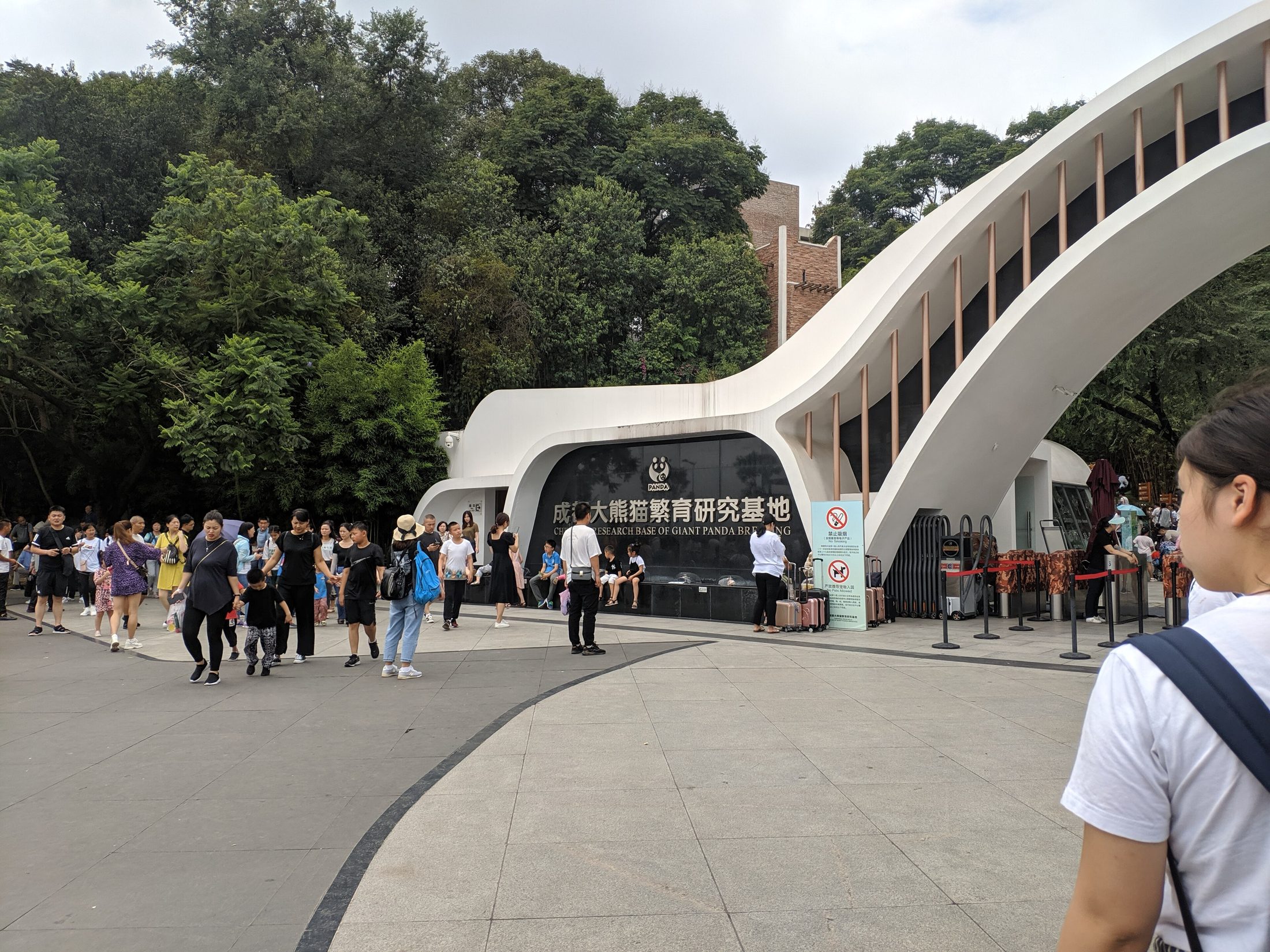
Key Takeaways
- The panda base is usually worth it for first-time visitors and often is Chengdu's clearest headline attraction.
- It works best as a real protected morning, not as a small add-on before lunch.
- For many readers, the more useful question is not whether to go, but how to stop the panda morning from overloading the rest of the day.
- The panda base is often strongest when followed by a lighter food, tea, or modern-city block instead of another heavy attraction.
For many first-time visitors, the panda base is the main reason Chengdu enters the route at all.
That is exactly why this page matters. Once one attraction becomes that important, the real question stops being “Should I go?” and becomes “How much of the trip should this control?”
Who this page is for
Use this page if you are asking:
- is the Chengdu panda base really worth it?
- how important is it compared with the rest of Chengdu?
- should I protect it before food, museums, or old-street layers?
- how much of the day does it usually take?
If the worth-it question already is settled and the live problem now is tickets, gate choice, shuttle logic, or morning strategy, go straight to How to Plan Chengdu Panda Base for First-Time Visitors.
If the worth-it question already is settled and the live search now is specifically How do I actually see He Hua?, go straight to How to Actually See Panda He Hua at Chengdu Panda Base.
If the live search is not really is the panda base worth it? but can I volunteer with pandas in Chengdu?, the better fit is Can You Volunteer With Pandas in Chengdu? What First-Time Visitors Should Know, because the official volunteer route is much more formal than most short visitors expect.
The short answer
The panda base is usually worth it when:
- this is your first Chengdu trip
- the city needs one clear headline attraction
- you may not return soon
- the group includes children, animal lovers, or travelers who want one obvious high-payoff morning
It is usually less worth protecting only when:
- you already know wildlife attractions do almost nothing for you
- the route is so tight that Chengdu itself may not deserve a stop
- the group would rather use Chengdu only for food, tea, and slower city rhythm
For many first-time visitors, the panda base is one of the easiest yes decisions in Chengdu. The harder and more useful decision is what to let happen after it.
Why it works so well on a first trip
The panda base usually works because it gives Chengdu:
- one clear reason to exist in a broader China route
- one memorable morning that is different from imperial landmarks, shopping streets, or food markets
- one attraction that is easy to explain to mixed groups
That matters because Chengdu is often a mood city as much as a landmark city. The panda base gives the stop one obvious anchor before the slower food and tea layers take over.
How much time does it usually deserve?
For many first-time visitors, the panda base deserves:
- a real morning
- flexible time afterward
- a lighter second half of the day
It usually works worse when treated as:
- a tiny errand before lunch
- one stop inside an overbuilt day
- something that should be followed by another distant fixed attraction
This is why the panda base often shapes the whole day’s pace even if it is only one attraction.
What pairs well after the panda base?
The panda morning is usually strongest when followed by:
If the live question already is not whether those ideas are good in theory but which one actually fits your group best, the cleaner execution page is What to Do After Chengdu Panda Base for First-Time Visitors.
It is usually weaker when followed by:
- another long-distance attraction
- a second heavy museum block
- one ambitious city-crossing evening that ignores how much energy the morning already used
Panda base vs one more city-only day
Choose the panda base if:
- Chengdu needs one unmistakable anchor
- the city stop is short
- the group wants one memorable high-payoff morning
Choose one more city-only day if:
- you already know the panda base is not attractive to your group
- the trip is built much more around food, tea, and urban pace than attractions
- the city already has enough anchors and needs more breathing room instead
For most first-time visitors, the panda base still wins this comparison. The route usually becomes better by simplifying around it, not by replacing it.
When is it less worth it?
The panda base often is less worth it when:
- animal attractions genuinely do not matter to you
- the route is so compressed that Chengdu itself may become only a sleep-and-eat stop
- your broader trip already has too many fixed-ticket mornings and too little open time
That said, many first-time visitors who think they are only mildly interested still find the panda base easier to enjoy than expected because the morning gives Chengdu a real center of gravity.
Common mistakes
- pretending the panda base is a small add-on
- protecting too many other fixed plans after it
- using the panda morning to justify overbuilding the whole day
- forgetting that Chengdu still works best when the city can slow down afterward
Which page to read next
Before You Go
- Treat the panda base as a real morning anchor.
- Do not add too many fixed plans after it.
- Decide whether the rest of the day should become food-led, tea-led, or simply easier.
- Use the execution guide if tickets, gate choice, or transport still feel unclear.
FAQ
Is the Chengdu panda base worth it for first-time visitors?
Usually yes. For many first-time visitors, it is Chengdu's clearest headline attraction and one of the easiest reasons to justify the city in a wider China route.
How much time does the panda base need?
Many first-time visitors should think in terms of a real morning block rather than a quick stop, especially if the panda base is one of the trip's main priorities.
Should the panda base control the rest of the day?
Often yes, at least partly. The strongest Chengdu version usually follows the panda morning with a lighter food, tea, or easier neighborhood block instead of another heavy fixed attraction.