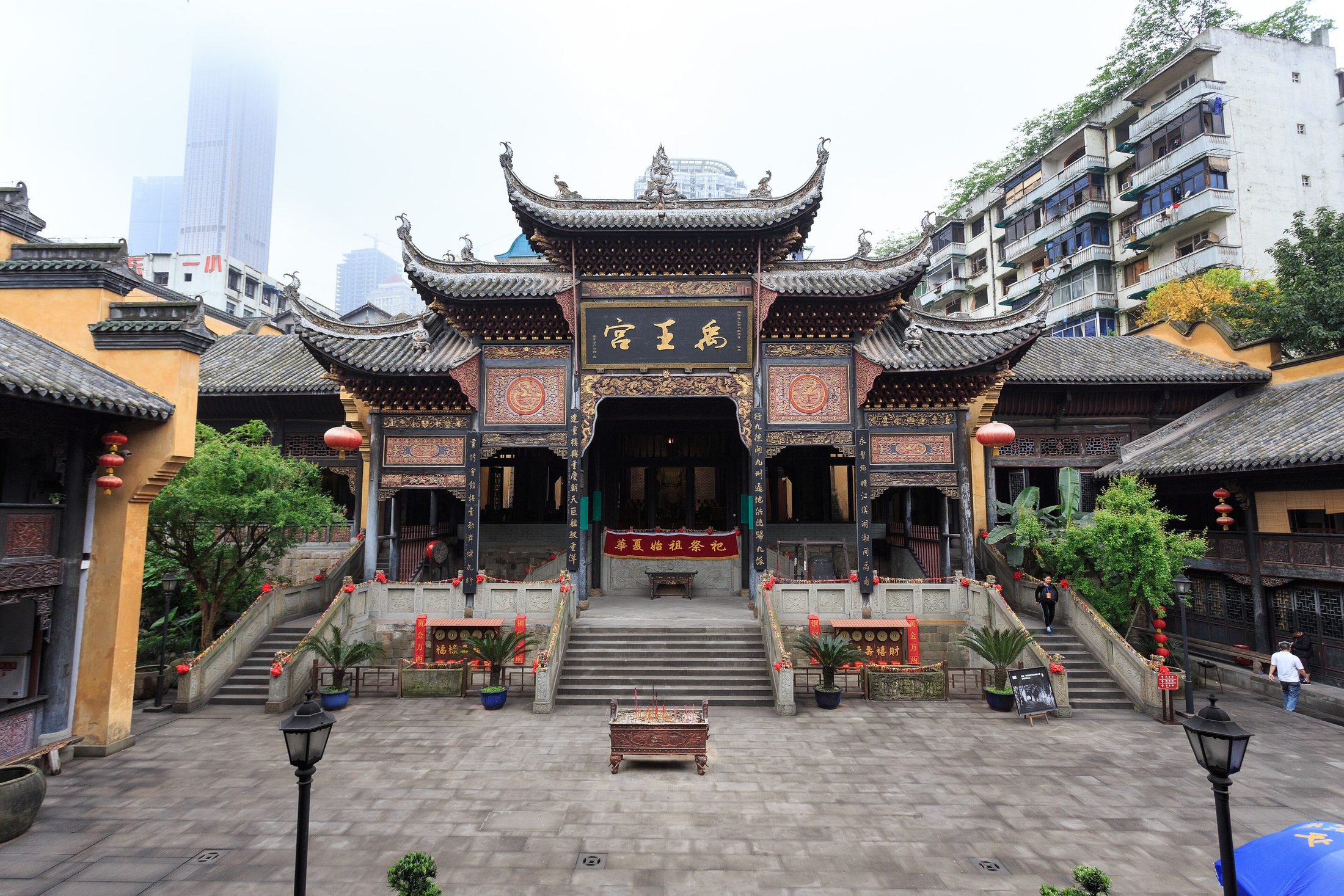
Key Takeaways
- For many first-time visitors, Huguang Guild Hall is worth it when the Chongqing trip needs one immigrant-history and old-city heritage layer without turning into a heavy museum day.
- It is usually strongest on a 3-day or 4-day Chongqing trip, or as a rainy-day cultural pivot when skyline visibility is weak.
- Huguang Guild Hall is often weaker on a tight 2-day stop if it would replace Hongyadong, one stronger food evening, or the city's more iconic night payoff.
- The best visit usually comes from giving it bounded time, caring about architecture and migration history, and pairing it with a nearby old-city, riverside, or central-dinner block.
Huguang Guild Hall is one of those Chongqing places that becomes much more useful once you understand its job.
It usually is not the city’s main emotional headline.
It usually is not stronger than your first real skyline night.
But for many first-time visitors, it is exactly the right supporting heritage page because it gives Chongqing one older, more rooted, more human layer without forcing the trip into a full museum-heavy mood.
This page was checked against current city-backed Chongqing sources on June 22, 2026, including iChongqing’s attraction page for Huguang Guild Hall, the newer attraction profile Chongqing Huguang Guild Hall, and the feature 300 Years of Migrant History - Huguang Guild Hall. Those sources are enough to confirm the guild hall’s migration-history role, its cluster of halls, opera stages, temples, and courtyards, and its importance as one of the city’s best-known old architectural complexes. Live hours, ticket rules, and performance schedules can still change, so treat same-day official notices as final.
Who this is for
Use this page if you are deciding:
- whether
Huguang Guild Hall deserves one of your limited Chongqing time blocks
- whether the trip needs one heritage stop beyond skyline, food, and night views
- whether it is better than
Ciqikou or the China Three Gorges Museum
- how much time to give it before the route starts feeling too historical and indoor
If the answer already is yes and the live question now is how to fit it into a realistic fuller route, go straight to A Practical 3-Day Chongqing Itinerary for First-Time Visitors.
If the answer already is yes and the live question now is whether rain or poor visibility makes this the smarter cultural pivot than another outdoor skyline block, go straight to Rainy Day in Chongqing for First-Time Visitors.
If the answer already is yes but the real decision now is whether this heritage layer is smarter than Chongqing’s other museum options, keep Best Museums in Chongqing for First-Time Visitors open too.
If the answer already is yes but the live question now is whether this lighter heritage stop is better than Chongqing’s main default museum, keep China Three Gorges Museum or Huguang Guild Hall for First-Time Visitors? open too.
The short answer
For many first-time visitors, yes, Huguang Guild Hall is worth it.
It is usually worth it when:
- the trip has at least
3 days
- you want one heritage stop that feels architectural and place-based, not only museum-based
- weather has weakened the skyline enough that one indoor or semi-indoor cultural block becomes more useful
- you care about why Chongqing became a major immigrant and trading city, not only how it looks at night
It is usually less worth it when:
- Chongqing is only a tight
2-day contrast stop
- the route still lacks its core
Hongyadong or stronger evening payoff
- you do not care much about architecture, migration history, or Qing-era guildhall culture
- the trip already has enough old-street and heritage texture elsewhere in China
The practical rule is simple:
for many first-time visitors, Huguang Guild Hall is worth it as a supporting heritage layer, not as the main reason to choose Chongqing.
Why Huguang Guild Hall matters
According to iChongqing’s attraction pages, Huguang Guild Hall was built during the Qing period and developed into a complex of halls, theaters, courtyards, gardens, reception rooms, and temples that served migrants and merchants for more than two centuries.
Those same city-backed sources connect it directly to the large migration movement that repopulated Sichuan and the wider Chongqing area after war, famine, and depopulation in the late Ming and early Qing transition.
That matters because Huguang Guild Hall answers a very real first-trip question:
- where do you go if you want Chongqing to feel older and more historically grounded without giving the city a whole heavy museum day?
For many readers, this is the cleanest answer.
It gives the trip:
- one visible architectural layer
- one immigrant-history lens that explains why Chongqing grew the way it did
- one old-city stop that feels different from both
Hongyadong and Ciqikou
What you are really saying yes to
One reason this page needs a firmer answer is that Huguang Guild Hall is easy to misread.
You usually are not saying yes to:
- the city’s most iconic first-night payoff
- one giant museum session
- a full old-town district that can carry half a day by itself
You usually are saying yes to:
- one selective heritage block
- one architecture-plus-history stop
- one more rooted old-city perspective after the skyline version of Chongqing already is protected
That difference matters a lot.
The best Huguang Guild Hall visit usually comes from knowing its job is depth, not spectacle.
What makes it different from Ciqikou?
For many first-time visitors, Ciqikou is the stronger old-street and snack answer, while Huguang Guild Hall is the stronger architectural and migration-history answer.
Huguang Guild Hall usually beats Ciqikou when:
- you want one bounded heritage block instead of a busier old-street wander
- the route already has enough snack streets and needs more historical grounding
- you care more about buildings, halls, opera stages, and immigrant history than about broader tourist-street atmosphere
Ciqikou usually beats Huguang Guild Hall when:
- you want a more open-ended walk
- snacks and old-town energy matter more than interpretation
- the trip needs one lighter supporting layer, not one more formal cultural stop
If that exact decision still feels live, the narrower companion page is Ciqikou in Chongqing: Is It Worth It for First-Time Visitors?.
What makes it different from the China Three Gorges Museum?
For many first-time visitors, Huguang Guild Hall is the better short heritage stop and the China Three Gorges Museum is the better full indoor history answer.
Huguang Guild Hall usually beats the museum when:
- you want architecture and old-city atmosphere, not only exhibitions
- the day should stay lighter
- the trip needs texture more than a full interpretive museum session
The museum usually beats Huguang Guild Hall when:
- weather is poor enough that a bigger indoor block is clearly better
- you want a broader history and regional-context answer
- you genuinely enjoy museums and have enough time to use one well
If that decision still feels live, the narrower companion page is China Three Gorges Museum in Chongqing: Is It Worth It for First-Time Visitors?.
Who should prioritize Huguang Guild Hall most?
Huguang Guild Hall is usually strongest for:
- first-time visitors with
3 days or more
- readers who want one more historical stop without turning Chongqing into a museum-first city
- travelers who enjoy architecture, courtyards, temples, or migration stories
- visitors whose route already has one skyline anchor and one stronger food or night layer protected
For those readers, Huguang Guild Hall often adds the exact amount of depth Chongqing needs.
Who can skip it more safely?
You can skip or downplay it more safely if:
- your Chongqing stop is short and skyline-heavy
- the trip already feels full with
Hongyadong, one better dinner district, and one second scenic or nightlife branch
- you already have stronger heritage stops elsewhere in the wider China route
- you are choosing between this and one still-missing core Chongqing experience
Skipping it does not weaken Chongqing nearly as much as skipping the wrong evening would.
How much time should you give it?
Usually less than a full museum half day.
The strongest version often is:
- one focused
1 to 2 hour heritage visit
- one look at the halls, stages, and temple spaces
- one bounded migration-history session
- then a nearby lunch, dinner, riverside walk, or old-city continuation
That often is enough.
What usually works worse is:
- forcing it to become the biggest block of the day
- trying to treat every hall as equally important
- adding it on top of too many other formal history stops
Is it better on a 2-day or 3-day Chongqing trip?
It can work on both, but it is much easier to justify on 3 days.
On a 2-day Chongqing trip
Huguang Guild Hall is often optional.
It works best if:
- poor weather has clearly weakened a more outdoor plan
- you already know you want one cultural block
- the route still protects one core skyline and one core food or night layer
Otherwise, I would usually cut this before cutting Hongyadong or the better dinner-and-evening district.
On a 3-day or 4-day Chongqing trip
This is where Huguang Guild Hall becomes more attractive.
The trip has enough room for:
- one skyline anchor
- one food-and-night layer
- one supporting heritage block that gives Chongqing more historical texture
That is the version where the guild hall usually earns its place honestly.
Is it useful on a rainy day?
Usually yes, selectively.
Because Huguang Guild Hall gives you built heritage, courtyards, temple space, and one migration-history lens, it often works better in bad weather than trying to defend too many riverside and visibility-heavy plans.
It is usually strongest on a rainy day when:
- the trip still needs one culturally meaningful block
- the bigger museum feels too heavy
- you still want the day to feel like Chongqing, not only like shelter
If weather is the live issue, keep Rainy Day in Chongqing for First-Time Visitors open too.
Does it need advance booking panic?
Usually no.
For most first-time visitors, Huguang Guild Hall matters more as a route-shape choice than as a high-pressure reservation choice.
That is one reason it works well as a selective supporting block.
If the broader booking order still feels muddy, the next page is What to Book in Advance for Chongqing: Tickets, Trains, and Reservations.
What usually makes Huguang Guild Hall disappointing?
Huguang Guild Hall often goes wrong when travelers:
- expect the city’s biggest spectacle instead of one heritage layer
- visit before protecting stronger skyline and evening anchors
- stack it with too many other historical stops in the same short stay
- go only because the trip “should probably include culture”
- give it too much time after the main architectural and migration-story payoff already has landed
The strongest visits usually come from using it selectively and honestly.
Common mistakes
- treating Huguang Guild Hall like a top-two Chongqing must-do on a short trip
- expecting it to outperform Hongyadong on immediate emotional payoff
- using it as a replacement for the city’s night identity instead of as a supporting heritage layer
- turning a clean rainy-day rescue into an overloaded history day
- assuming bigger historical meaning automatically means better first-trip value
Which page to read next
Before You Go
- Decide whether the trip still needs one heritage-and-architecture layer or whether skyline, food, and evening structure still matter more.
- Use Huguang Guild Hall as a selective cultural block, not as a whole-day answer.
- Compare it against the China Three Gorges Museum if the real choice is old architecture versus a bigger indoor history museum.
- Keep the surrounding route simple so the visit still feels like texture, not homework.
FAQ
Is Huguang Guild Hall worth visiting for first-time visitors to Chongqing?
For many first-time visitors, yes, especially if the trip needs one heritage stop that explains Chongqing's immigrant history and old-city architecture without becoming a full museum day.
Should I visit Huguang Guild Hall or the China Three Gorges Museum?
For many first-time visitors, Huguang Guild Hall is the better choice when you want architecture, atmosphere, and a shorter heritage block, while the China Three Gorges Museum is stronger when you want a larger indoor history and interpretation session.