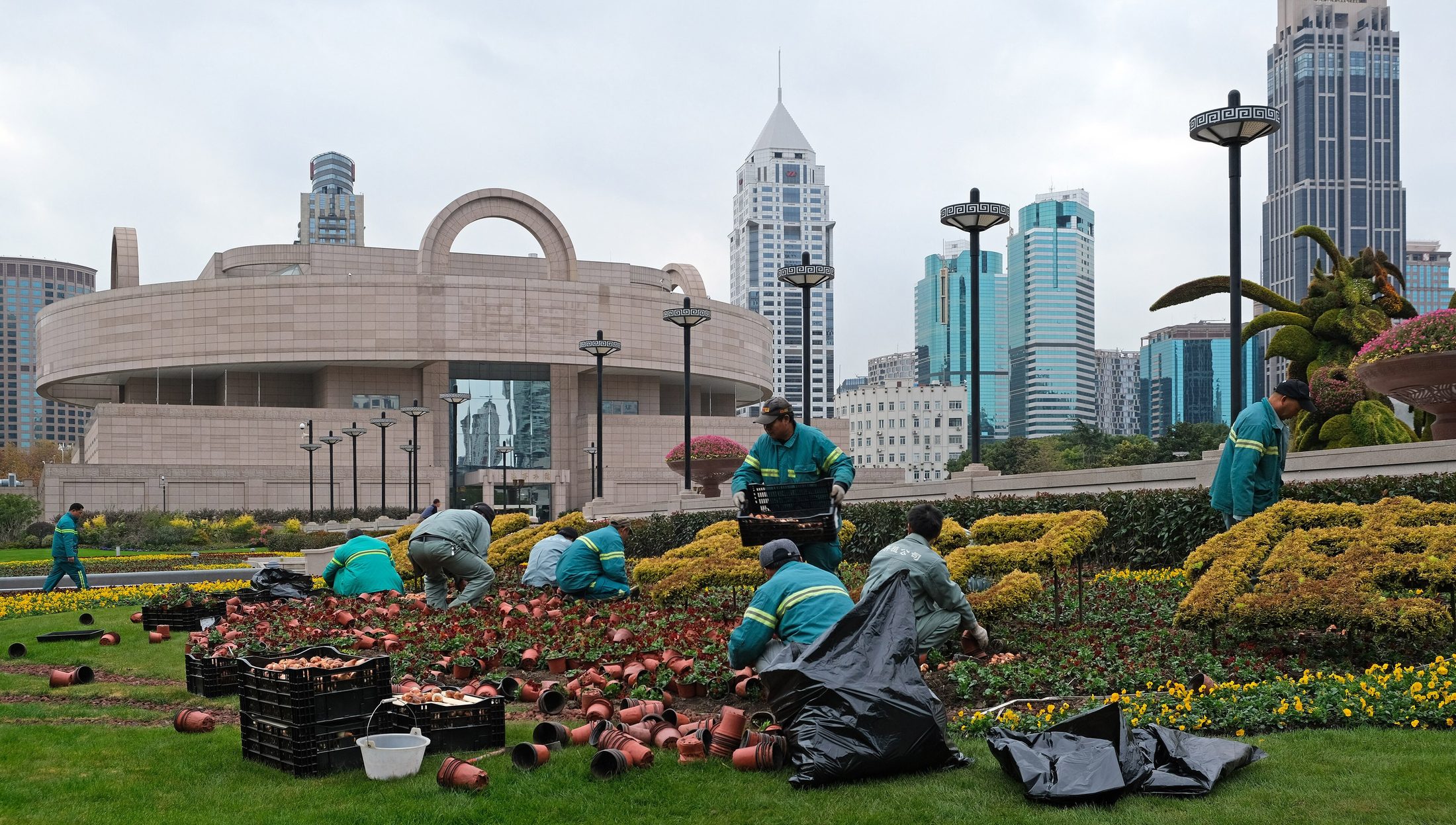
Key Takeaways
- People's Square is usually most valuable as a practical central block that makes Shanghai easier, not as a stand-alone blockbuster attraction.
- It works best when attached to Shanghai Museum, Nanjing Road, or broader central-city hotel logic.
- For many first-time visitors, People's Square is stronger as a route-shaping and stay-shaping district than as a long sightseeing mission.
- It often improves a short trip by reducing friction between the Bund side, museum blocks, metro movement, and easier meals.
People’s Square is one of the best examples of a Shanghai place that matters more in real trip planning than it does on a simple attractions list.
That is because it often makes the whole city easier.
Who this page is for
Use this page if you are asking:
- is People’s Square actually worth time?
- is it a sightseeing stop or mainly a practical base area?
- should I stay here, pass through, or protect time for it?
- when is it better than one more neighborhood or skyline block?
If the real question already is hotel choice, keep Best Area to Stay in Shanghai for First-Time Visitors open too.
The short answer
People’s Square is usually worth it when:
- the trip wants the easiest all-around central base
- Shanghai Museum or a nearby indoor block already looks useful
- you need one lower-friction central day
- the route benefits from an easy connection point between the Bund side and the rest of central Puxi
It is usually less worth protecting when:
- the trip is extremely short and still has not protected the Bund or one slower neighborhood day
- you are expecting a major sightseeing payoff by itself
- the route already has enough central convenience and needs more character instead
For many first-time visitors, People’s Square is worth using well, not romanticizing.
What People’s Square is best for
People’s Square usually works best for:
- one practical central hotel base
- one museum or indoor day branch
- one easy connection into Nanjing Road or the Bund side
- one simpler central meal-and-metro day
It is usually weaker for:
- a full scenic half day
- travelers seeking Shanghai’s most stylish or most atmospheric neighborhood
- readers who want a big visual payoff from the district itself
That is why People’s Square often is a support page for the city, not the city’s emotional centerpiece.
People’s Square vs the Bund
Choose the Bund if:
- you need Shanghai’s strongest iconic image
- you only have one protected central evening window
- skyline payoff matters more than practical city movement
Choose People's Square if:
- the route needs an easier central daytime structure
- the hotel base still is open
- museum logic or indoor flexibility matters more
For many first-time visitors, the Bund is the stronger emotional anchor, while People’s Square is the stronger practical anchor.
People’s Square vs Nanjing Road
Choose Nanjing Road if:
- you want commercial lights, shopping, and visible city energy
- the day already naturally belongs near the Bund
- central walking matters more than museum or hotel logic
Choose People's Square if:
- you want a better all-around central base
- the route needs museum support or easier metro logic
- the area matters more as a junction than as a shopping strip
That is why Nanjing Road often is the more visible answer, while People’s Square often is the more useful answer.
People’s Square vs French Concession
Choose French Concession if:
- the trip needs neighborhood character
- slower walking, food, and street atmosphere matter more
- you want Shanghai to feel more stylish and lived-in
Choose People's Square if:
- the trip needs lower-friction central structure
- you want the safest first-time base
- museum, metro, and practical day shape matter more than atmosphere
This is a classic character versus convenience comparison.
How much time does it usually need?
Usually not much by itself.
For many first-time visitors, People’s Square works well as:
- a central staging point
- one museum-plus-meal block
- one short daytime corridor
- one area that becomes important because of the hotel, not because of a landmark checklist
It usually does not need to become a big stand-alone mission unless the broader central day already belongs here.
If the district already is chosen and the live question is how to solve breakfast, lunch, or one easy central dinner without making the route heavier, the narrower execution page is Where to Eat Near People’s Square in Shanghai for First-Time Visitors.
When does it improve the trip most?
People’s Square often improves the trip most when:
- the stay is short
- the weather may push you indoors
- the route wants one easier central base for metro returns
- the city should feel manageable fast
It often improves the trip less when:
- the stay already has enough central convenience
- the trip still lacks a slower district day
- you are trying to make every part of Shanghai feel equally memorable
Common mistakes
- expecting People’s Square to carry the whole city emotionally
- protecting it before the Bund or French Concession
- ignoring how useful it can be for hotel and museum logic
- treating practical value like low value when it often improves the whole route
Which page to read next
Before You Go
- Use People's Square when the route needs central convenience, indoor backup, or a practical reset point.
- Do not expect it to replace the Bund, French Concession, or one stronger evening district.
- Think of it as a useful central layer that supports the city rather than carrying the whole city.
FAQ
Is People's Square worth visiting in Shanghai?
Usually yes, but mostly as a practical central district rather than as a major stand-alone attraction. It often works best when paired with Shanghai Museum, Nanjing Road, or a central hotel base.
Is People's Square a good area to stay in Shanghai?
Usually yes. For many first-time visitors, it is one of the safest and easiest central Shanghai bases because it connects well to the Bund side, museums, metro lines, and everyday meals.
How much time do you need for People's Square?
Many first-time visitors only need a controlled central block rather than a long dedicated sightseeing session, unless the museum, shopping, or hotel logic makes the area more important.