Place Guide

Jiming Temple in Nanjing: A Short Stop That Adds Calm or an Easy Skip?

Decide whether Jiming Temple deserves time on your first Nanjing trip, when it adds useful calm and city contrast, and when it loses out to stronger historical anchors.

By Editorial Team · Published 6/26/2026 · Updated 6/26/2026

  • Nanjing
  • Temple
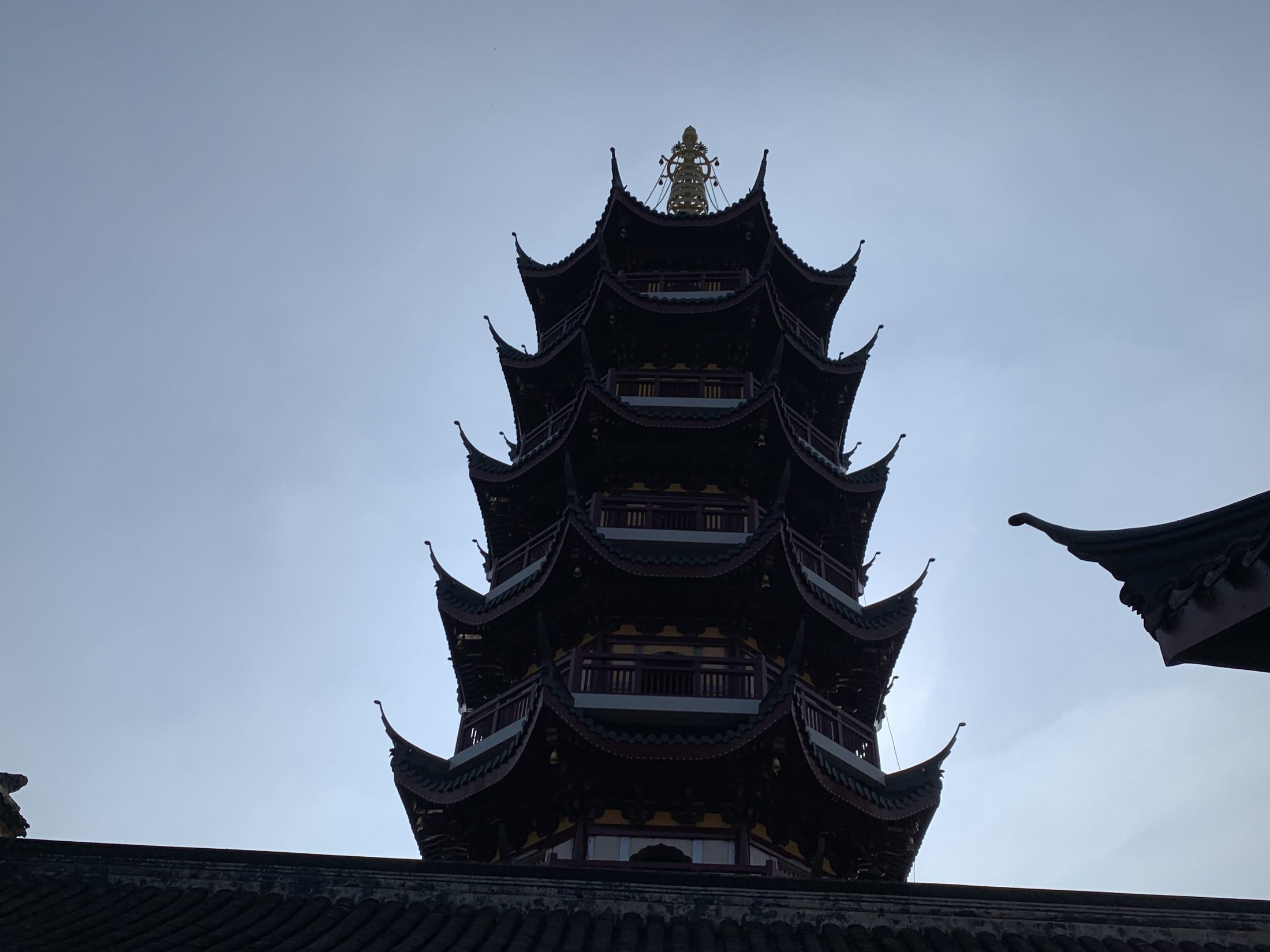
Jiming Temple in Nanjing.
Photo : Chainwit · CC BY 4.0

Part Of The Cluster

Keep this place inside the wider city plan.

The strongest place pages help travelers decide how much time to give a place, what to book early, and how to connect it back to the city route instead of treating it like an isolated checklist stop.

Key Takeaways

  • Jiming Temple can be worth it as a shorter calmer stop, but it is usually not one of the first big anchors to protect in Nanjing.
  • It works best when the route already has its main historical layers and wants one more measured city pause.
  • For many first-time visitors, it is a supporting stop rather than a top-tier Nanjing priority.

Jiming Temple usually matters less as a headline and more as a change of tone.

That can be exactly what a heavy Nanjing route needs.

The short answer

Jiming Temple is usually worth it when:

It is usually less worth forcing when:

Jiming Temple vs another major history block

Choose Jiming Temple if:

Choose a bigger anchor if:

When it fits best

For many first-time visitors, Jiming Temple works best when:

If what the route really needs is not one more short structured stop but a looser scenic reset, Xuanwu Lake is often the better answer.

Common mistakes

Before You Go

  • Use Jiming Temple as a calmer supporting layer, not as the city's main historical anchor.
  • Do not force it ahead of Presidential Palace, Nanjing Museum, or the Qinhuai evening if time is tight.

FAQ

Is Jiming Temple worth visiting in Nanjing?

Often yes as a shorter calmer stop if your route already has its main history anchors protected. It is usually not the first place most short first trips should prioritize.
Destination Hub

history without Beijing-scale intensity

Nanjing

Nanjing suits travelers who want a historically weighty east-China city with easier pacing than Beijing and a strong mix of museums, walls, republican-era landmarks, and old-city evenings.

Suggested stay: 1 to 2 days

Best months: March, April, October, November

More In nanjing

Nanjing

Ming Xiaoling Mausoleum in Nanjing: Worth It on a First Trip or Too Much Purple Mountain?

Decide whether Ming Xiaoling Mausoleum deserves time on your first Nanjing trip, how it compares with Sun Yat-sen Mausoleum, and when it adds real historical depth instead of overloading the Purple Mountain side.

Best for first-time Nanjing visitors deciding whether Purple Mountain should hold more than one major stop, travelers comparing Ming Xiaoling Mausoleum with Sun Yat-sen Mausoleum or the city's more central history anchors

By Editorial Team

Updated 6/27/2026

Related City Guides

Nanjing

Best Time to Visit Nanjing for First-Time Visitors

Compare spring, summer, autumn, and winter to see when Nanjing feels easiest, which months are best for historical walking and evenings, and when heat, humidity, or holiday crowds make the city harder.

Planning The Stay · timing decision

By Editorial Team

Updated 6/26/2026

Related Practical Topics

Need Help Planning?

Need help fitting Jiming Temple in Nanjing: A Short Stop That Adds Calm or an Easy Skip? into the trip?

If the place matters, but the timing, booking order, or surrounding city day still feels fuzzy, this is a good point for a light planning check.

  • Best when one anchor sight is controlling the whole city day.
  • Useful for timing, hotel-area fit, and surrounding logistics.
  • A good handoff point before you lock tickets and transport.

About The Author

Editorial Team

China Travel Notes Editorial Desk

The Editorial Team reviews city guides, trip basics, and route-planning pages with a practical first-time visitor lens. The goal is to turn useful Chinese-language travel knowledge and booking realities into clearer English planning advice.